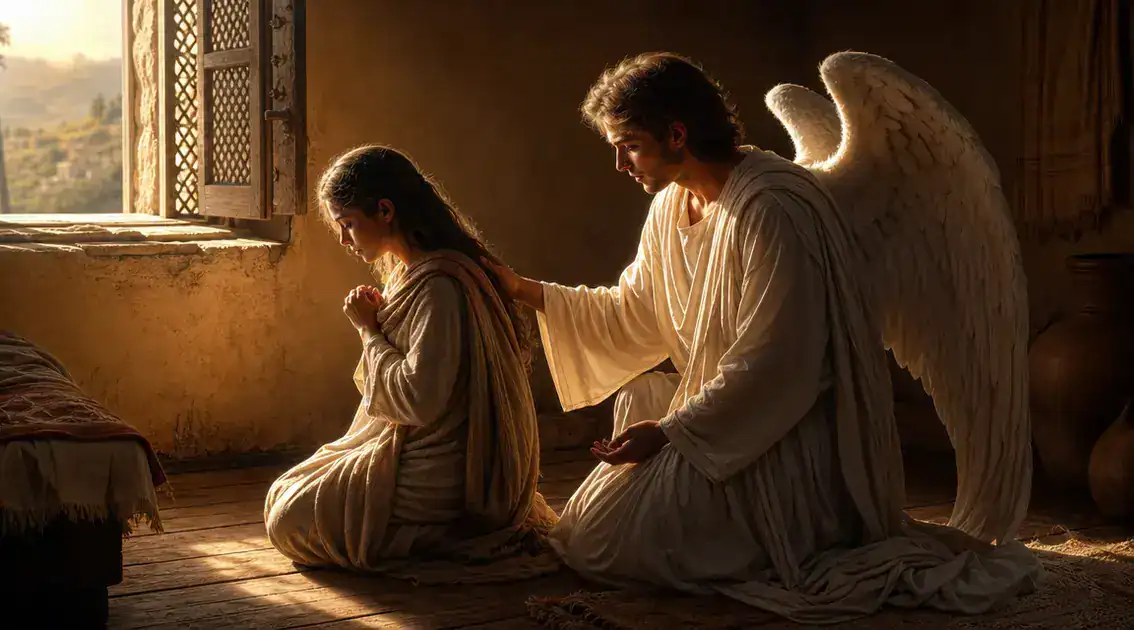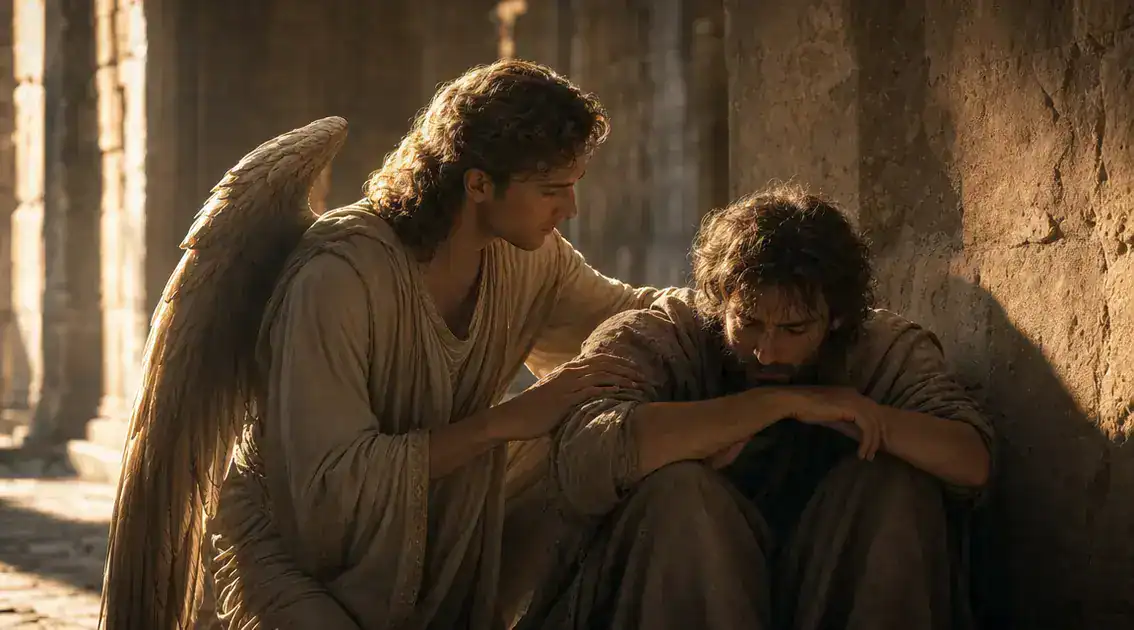

Monday reflection with Saint Michael invites a brief, weekly devotional practice that calls on the archangel’s protection and discernment through scripture, short prayer, and a modest intention, enabling believers to begin each week with steady courage, measured judgment, and a habitual openness to divine guidance.
monday reflection with saint michael; — have you ever wondered how a short, sacred pause could steady your heart at the week’s start and open you to courage?
Michael in Scripture: biblical appearances and meanings
Scripture points to Michael in three clear passages: Daniel, Jude, and Revelation. Each passage shapes a different angle of his role. In these texts we meet Michael as a guardian, a defender, and a leader sent by God to stand with his people.
In Daniel 10–12 he is described as a prince who helps in visions and in national struggle. The tone is steady and hopeful. That image offers comfort: God’s care reaches into hard moments and appoints a faithful presence to hold the line when things feel uncertain.
Revelation gives a dramatic image of a heavenly battle and a dragon driven out, while Jude records a brief, sober episode of angelic restraint. Together these scenes teach that divine help can be both mighty and measured. Let that blend of courage and order shape your prayer and your steps as you seek strength for the week ahead.
Archangel Michael as protector: theological perspectives across traditions

Across faiths, Archangel Michael is known as a protector who stands between fear and the faithful. People picture him not as a distant warrior but as a steady presence you can call when your heart feels fragile. That close, guarding image makes him a natural companion for prayer at the week’s start.
In Jewish readings Michael appears as a princely defender who intercedes and holds the line during trials. Christian texts show him leading the heavenly host against darkness and guarding the church in moments of testing. In Catholic and Orthodox practice, he is both a symbol of courage and a gentle guardian, present in icons, hymns, and short prayers that balance strength with mercy.
Practically, this means you can invite Michael into small, real ways: a brief prayer for courage, a quiet breath when worries rise, or a mindful choice to act with calm. These simple acts ask for protection without demanding signs or visions. Let that steady sense of care shape your Monday steps, so your week begins with courage and clear direction.
A monday ritual: short prayers and readings to invite Michael
Begin your Monday ritual by finding a quiet corner and setting a short span of time—five to ten minutes. Light a candle or open a window so the light can be part of the prayer. Sit with a Bible or a small card, breathe slowly, and place your intent on inviting Michael to walk with you through the week. This simple posture helps you move from rush into calm before the day begins.
Speak a short prayer aloud or in your heart, such as, “Saint Michael, guard my steps and give me courage today,” and repeat it slowly if it helps. Let the words sink in rather than rush them. After the prayer, read a brief passage—two or three verses from Daniel, Jude, or Revelation—pausing to notice one image or phrase that touches you.
Hold that phrase for a breath or two and ask how it might shape one small choice today. Make a simple commitment: one kind act, one brave word, or one moment of honest truth. By anchoring your Monday with prayer, a short reading, and a small intention, you carry a steady, protective presence into the week ahead.
Interpreting symbols: sword, scales, and the victory motif

The sword in images of Michael stands for more than force; it is a sign of truth and faithful protection. When the blade points downward it feels like a guard at the gate, not a threat. This image invites a quiet courage: to speak truth kindly, to hold a boundary when needed, and to trust that God’s justice is steady rather than frantic.
The scales echo that steadiness by showing how God weighs matters with care. They remind us that judgment and mercy belong together, and that discernment asks for both clarity and compassion. In prayer, the scales help us pause and ask what should be carried forward and what should be left behind, so our choices match both truth and love.
Taken together, sword and scales form the victory motif we see in Scripture: a calm triumph over fear that does not crush but frees. That victory is practical, not just heroic—it shows up as one brave word, one honest step, one small act of mercy. Let these symbols guide your Monday: choose truth without harshness, measure your responses with love, and trust that such habits bring steady victory into daily life.
Personal discernment: recognizing angelic guidance in daily life
Many people learn to notice guidance in quiet, ordinary moments: a sudden calm about a decision, a helpful word from a friend at just the right time, or a repeated image that keeps appearing in prayer. These small signals often feel like a soft nudge rather than a loud command. When you slow down and pay attention, you begin to recognize patterns of care that point beyond chance to something like angelic guidance.
True discernment grows when you test those nudges with scripture, prayer, and trusted companions. Read a short passage and ask if the feeling lines up with clear biblical values. Bring the matter to prayer and wait for inner peace, not panic, to confirm the path. Talk it over with someone who knows your story; a steady voice can help you see if the sense of direction is wise and gentle. This balanced practice trains the heart to tell steady promptings from mere wishful thinking.
Practice small, simple habits that make discernment possible: pause for a breath before big choices, jot down the thought that keeps returning, and commit to one modest step that tests the prompt. Notice how peace or unease follows that step, and thank God for signs of care, even when the guide is quiet. Over time, these habits build a trustworthy rhythm: you learn to welcome protection, act with courage, and follow guidance that leads to life.
Living courageously: applying the reflection through the week

To live courageously means turning the Monday reflection into small, steady habits that shape your week. Begin by naming one simple intention each morning—something like offering kindness, speaking a needed truth, or choosing patience—and place that intention before God. Over time, these small choices become a pattern of faithfulness that outlasts any single emotion.
When fear or doubt arrives, remember that courage often looks quiet. You might take a slow breath, pray a brief line asking for strength, and then speak or act in a way that aligns with your intention. Think of Michael not as a dramatic figure but as a protective presence that steadies your heart, so you can do what is right without being ruled by anxiety.
Practice simple rhythms that keep you grounded: a short morning prayer, one brave step during the day, and a two-minute check-in at night to notice what changed. Write a single line about what you tried and how it felt. These small records teach your heart to trust steady growth rather than instant results, and they invite a gentle, lifelong courage into ordinary days.
A Monday blessing
May the calm of this reflection follow you into the week. Saint Michael walks beside you, steadying your steps and nudging your heart toward courage. Let that quiet company become a steady rhythm in small, ordinary moments.
When fear or doubt arrives, breathe slowly and name one small intention you can keep. Speak a short prayer, choose one kind act, and trust that gentle faithfulness matters more than loud gestures. These simple choices shape a brave and gentle life.
Notice the quiet signs of care around you and give thanks for them. Each gentle nudging, each peaceful breath, is a reminder that you are held. Carry this practice forward—one honest step at a time.
Go into the week with hope and calm, protected and guided on the way. Amen.
FAQ – Questions seekers ask about Saint Michael and Monday reflections
Is Archangel Michael actually named in the Bible?
Yes. Michael appears in Daniel as a protector of God’s people (Daniel 10–12), is mentioned briefly in Jude (Jude 1:9), and leads the heavenly host in Revelation (Revelation 12:7–9). These texts shape how tradition understands his role.
May I pray to Saint Michael for help?
Many Christian traditions encourage asking Michael to intercede or protect, especially in times of fear. Prayer to Michael is grounded in Scripture’s witness to angelic ministry and in long-standing liturgical practice (see Psalm 91:11 and the Church’s prayers invoking his aid). Prayer to angels is always meant to point us to trust in God.
How might I recognize Michael’s guidance in daily life?
Guidance often comes as calm clarity, a steady nudge, or a recurring scripture or prompt that encourages right action. Test such impressions with Scripture, quiet prayer, and trusted companions; genuine promptings bring peace and align with biblical virtues rather than panic or confusion.
What do the sword and scales mean when Michael is pictured with them?
The sword commonly symbolizes truth and faithful protection; when pointed downward it suggests guarding rather than striking. The scales suggest careful judgment that balances justice and mercy. Together they point to a victory that frees and heals, not merely to force.
Is Michael a protector for every person or only for the church?
Scripture depicts Michael as a defender in cosmic and communal moments, yet tradition also affirms angelic care for individuals (see Matthew 18:10 and Psalm 91:11). How that protection is experienced varies, but the biblical and liturgical witness invites trust that God provides help both for communities and for persons.
How do I begin a simple Monday ritual to invite Michael into my week?
Choose five to ten quiet minutes: light a candle or open a window, say a short prayer asking for protection and courage, read two to three verses from Daniel, Jude, or Revelation, and set one small intention for the day. Keep it brief and repeatable—consistency matters more than length, and the practice trains the heart to welcome steady care.