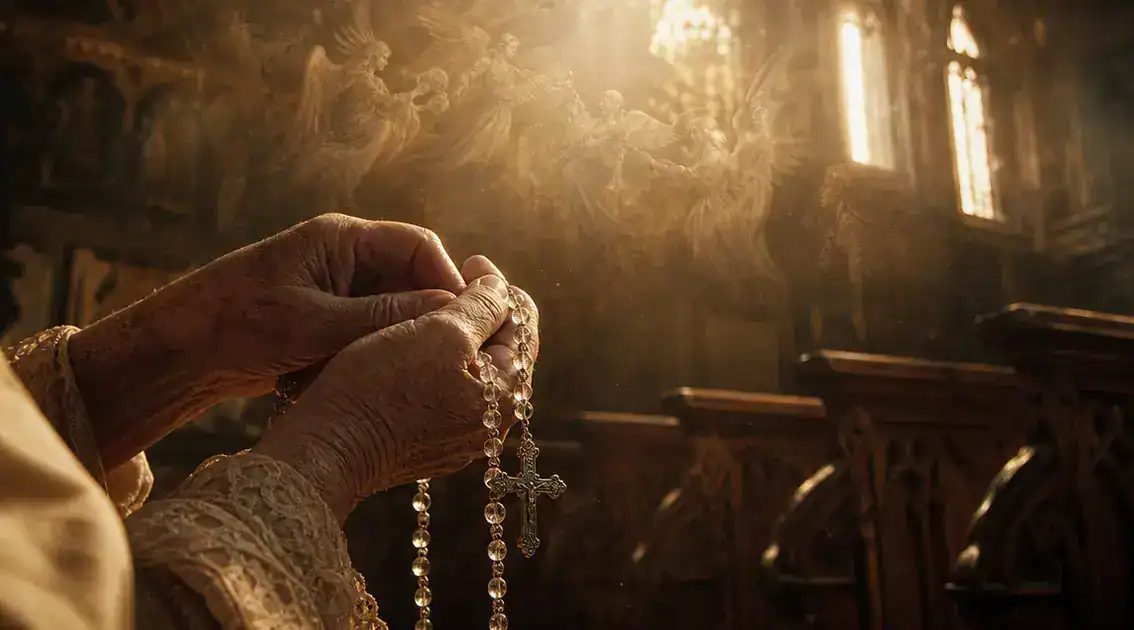

Novena to Archangel Raphael for physical, emotional and spiritual healing is a nine-day practice of focused prayer, Scripture and simple sacramentals, rooted in the Book of Tobit, that invites Raphael’s intercession alongside sensible medical care, fosters steady trust through daily petitions, and seeks gradual restoration of body, heart, and spirit.
Have you ever yearned for a quiet touch of grace? novena archangel raphael healing invites nine days of simple, heartfelt prayer, opening space for bodily, emotional and spiritual restoration.
Who is Archangel Raphael in scripture
The clearest appearance of Archangel Raphael is in the Book of Tobit, a beloved healing story preserved in the Catholic and Orthodox traditions. His name means God heals, and that simple truth shapes every part of the account: Raphael arrives as a gentle guide whose work is to restore sight, mend broken paths, and calm fearful hearts. The story reads like a quiet parable about God’s care reaching those who are lost or in pain.
In the narrative, Raphael travels with the young Tobias while disguised as a companion named Azarias. He teaches Tobias how to use the organs of a fish to cure Tobit’s blindness and shows him how to free Sarah from a tormenting spirit; the acts are practical, tender, and deeply symbolic. Through these deeds Raphael is both physician and teacher, showing that God’s healing often comes by guidance and small, faithful actions.
Over centuries of devotion, believers came to honor Raphael as a protector of travelers, a friend to the sick, and a model of compassionate presence. When you imagine Raphael in scripture, think less of thunder and more of a hand that leads you across a river or a lamp that brightens a dark room — a reminder that divine healing can be ordinary, patient, and wholly trustworthy. This quiet portrait invites us to call on Raphael when we seek help that mends body, heart, and spirit.
The healing role of Raphael: theology and symbolism
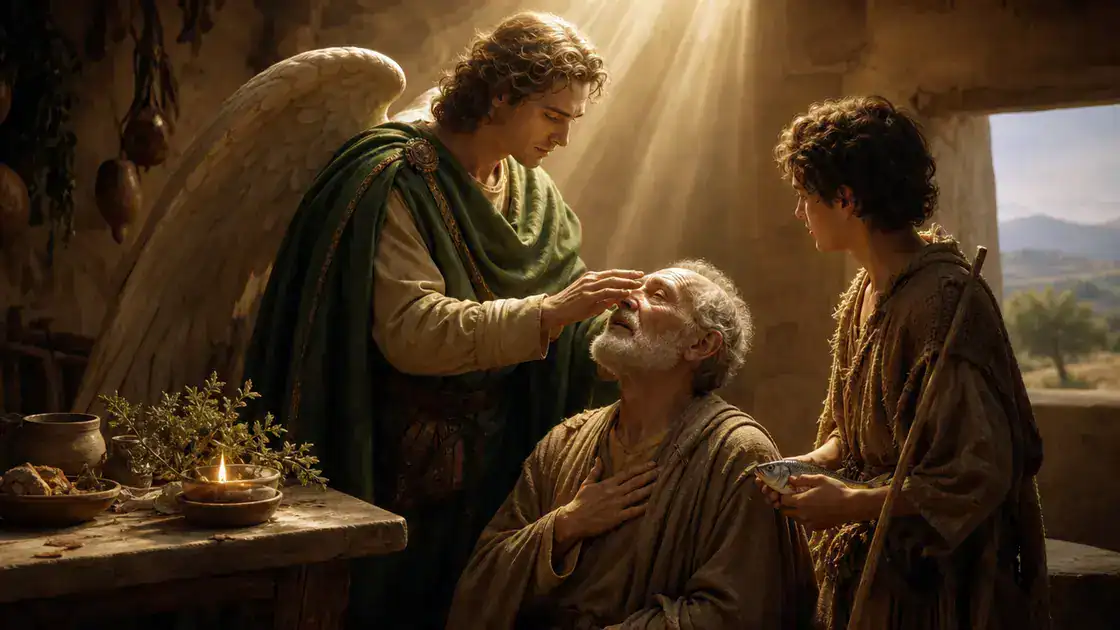
Raphael’s healing role moves beyond simple cure to a deep, lived symbol of God’s care. In Scripture his name, which means “God heals”, frames every action: guiding travelers, mending broken sight, and driving away fear. These acts show that healing is both practical and holy — medicine and mercy together, hand in hand.
Consider the fish, the staff, and the journey in the Book of Tobit: each object speaks a language of care. The fish becomes a remedy, the staff a guide on the road, and the journey itself a classroom for trust. Together they teach that healing often arrives through companionship, small remedies, and steady guidance, not only through sudden miracles.
When theology meets devotion, Raphael’s work points to a larger truth: God heals in body, heart, and spirit. His presence invites us to seek help, to accept care, and to become instruments of healing for others. That quiet, steady mercy asks us to be attentive to simple means — a prayer, a touch, a wise word — through which the divine mends what is broken.
How the nine days shape a focused devotional practice
A novena invites a gentle narrowing of the heart so prayer can grow steady and clear. Saying short prayers each day trains attention away from scattered worry and toward a single, held intention. This daily rhythm creates a quiet space where persistence in prayer becomes a patient habit, not a performance.
Each of the nine days can mix Scripture, simple petitions, and a moment of silence so the soul can listen. Many practitioners read a short passage from Tobit or a healing psalm, speak a plain prayer, and rest in silence for a few minutes. Small, bodily signs — anointing with oil, lighting a candle, or placing a hand on one’s chest — help the prayer move from thought into living practice.
Doing the novena with others or keeping a short journal gives the days shape and witness. Write one line about hope or a change you notice, or share a single intention with a friend to hold it in prayer. These modest practices turn nine separate mornings or evenings into a single, steady movement of trust and care, where healing is invited gently, one day at a time.
Scriptural prayers and verses to include during the novena

Begin the novena with passages that name God’s healing touch, such as the Psalms (for example, Psalm 30, Psalm 41, Psalm 103) and the healing passages in Tobit where Raphael acts as guide and healer. Read a short verse slowly and let one line rest in your heart; this keeps the prayer simple and steady. Let the quiet echo of a single phrase — like “The Lord heals the brokenhearted” — shape the moment rather than trying to cover many texts at once.
Include New Testament promises that invite care and prayer, especially James 5:14–15 about calling the elders to pray and anointing with oil, and Jesus’ words of comfort in Matthew 11:28 and Mark 5:34. Use these verses as frames for short petitions: a one-sentence prayer asking for physical strength, a one-sentence prayer for peace of heart, and a one-sentence prayer for spiritual sight. Example short prayers you might say aloud: “Lord, strengthen this body,” “Heal my anxious heart,” or “Archangel Raphael, guide me to wholeness.” These brief prayers keep the novena easy to pray each day.
Structure each day simply: read a chosen verse, say a short petition, sit in silence for a minute, and make a small devotional gesture such as anointing with oil or lighting a candle. Keep a single-line journal entry or speak the change you notice to a friend who will pray with you. Over nine days this routine turns separate moments into a continuous practice of trust, letting Scripture and quiet actions invite gradual and steady healing rather than hurried fixes.
Stories of healing and tradition: from Tobit to saints
The Book of Tobit gives the clearest story: Raphael travels with Tobias, guides him safely, and teaches him to use the fish’s parts to heal his father’s blindness. The angel works in small, careful ways—teaching a remedy, guiding a prayer, and only at the end revealing his name. That gentle unmasking shows that healing is both practical and divine, a mystery that asks for trust as much as for skill.
Across centuries, Christian communities kept that story alive in prayers, hymns, and shrine devotion. Pilgrims and caregivers have told of finding comfort after calling on Raphael, and many who serve the sick have felt his presence as a compassionate companion in hard work. These testimonies do not erase struggle, but they frame suffering within a tradition that honors small acts of mercy alongside prayer.
Today the same threads continue in simple practices: anointing with oil, lighting a candle, walking to a chapel, or saying a novena for someone who is ill. These gestures connect us to Tobit’s road and to generations of believers who learned to pray with hands and eyes open. Holding that continuity helps us remember that prayer and care belong together, and that asking for help joins us to a living tradition of hope and healing.
Integrating the novena into daily spiritual life
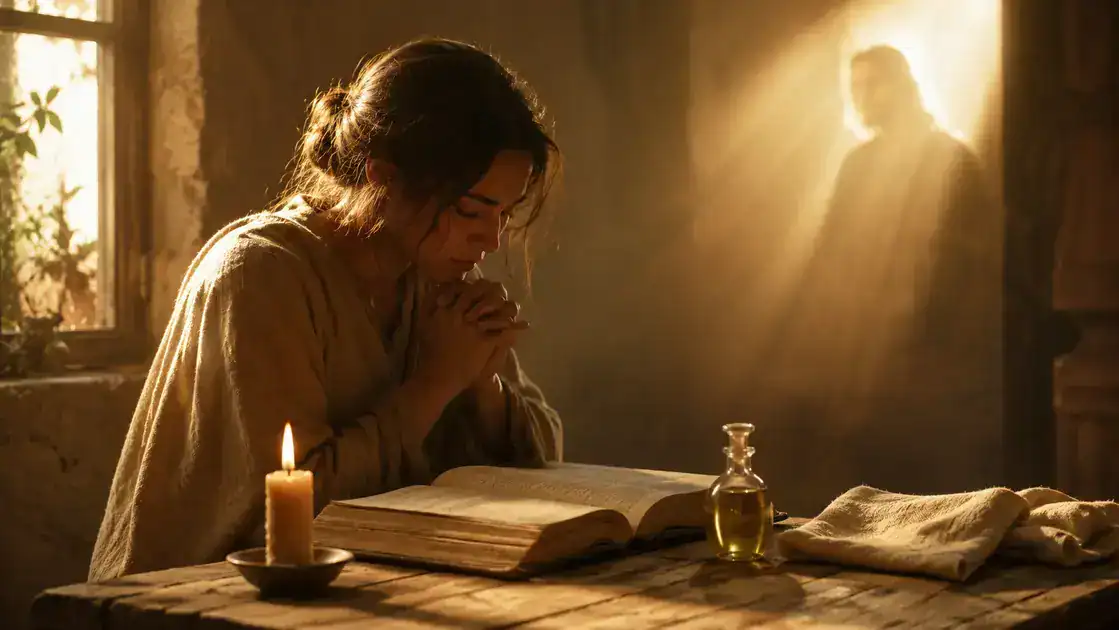
A novena becomes part of daily life when it is kept simple, steady, and kind to your ordinary rhythm. Pick a short time each day—morning coffee, a break at noon, or a quiet moment before bed—and make that your small prayer hour. Read one verse, say a brief petition, and sit in silence for a minute; these short, repeated acts let devotion settle into the body as well as the mind.
Use gentle, tangible signs to anchor the practice: light a candle, anoint a fingertip with oil, or rest a hand on your chest while you pray. Keep a single-line journal or a small list of intentions to track what you notice, and consider sharing one request with a friend or faith group for extra holding. Remember that consistency over length invites deeper trust; a two-minute prayer each day often does more than a long prayer once in a while.
Let the novena meet your daily duties by folding it into ordinary tasks—say the petition while walking to the bus, waiting for an appointment, or before offering care to another. Offer small prayers before medical visits or when administering medicine, and regard these moments as sacramental gestures of care. Over time, these repeated, humble practices create a web of attention and hope that supports both caregiver and cared-for without pressure or hurry.
May the road you have walked these nine days leave a gentle light in your heart. We ask for the quiet help of Archangel Raphael, who reminds us that God heals in small steps and steady company.
Bring to God your body, your worries, and your hopes. May care and rest meet your wounds, and may each breath become a small prayer for strength and calm.
Carry this novena into simple daily moments: a brief petition at dawn, a pause before a task, a single line in a journal. These small acts hold healing over time and make the ordinary feel holy.
Go forward with peace, the courage to ask for help, and the patience to receive it. Amen.
FAQ – Novena to Archangel Raphael and questions about healing prayer
What is a novena to Archangel Raphael and why nine days?
A novena is a nine-day period of focused prayer rooted in Christian practice (the word comes from Latin novem, nine). The form gently shapes attention and trust, inviting you to bring a single need—physical, emotional, or spiritual—to God each day. Praying to Archangel Raphael asks for his intercession as a compassionate guide while directing ultimate petition to God, who alone heals.
Where does Archangel Raphael appear in Scripture and tradition?
Raphael appears most clearly in the Book of Tobit (Tobit 12:15), where he guides Tobias, heals Tobit’s blindness, and explains his role—his name means “God heals.” That book is part of the Catholic and Orthodox canon (often called deuterocanonical). The wider Christian tradition also honors Raphael as a healing and guiding presence, linked to biblical practices of prayer and anointing.
Can I pray the novena for physical and emotional needs even if I’m receiving medical care?
Yes. Christian tradition encourages prayer alongside sensible care. Scripture and pastoral practice (see James 5:14–15 about calling elders and anointing) hold prayer and medicine together. Use the novena to invite God’s presence into treatment, to steady the heart, and to support caregivers—prayer and professional care can be companions on the same road.
Is it appropriate to use oil, candles, or other signs during the novena?
Yes, sacramentals like oil and candles are time-honored ways to make prayer concrete. James 5 connects anointing with oil and prayer for the sick to the community’s care. These signs are not magic; they help the body and imagination enter into prayer and remind us that God often works through ordinary means.
How do I keep the novena each day if I’m busy or find it hard to concentrate?
Keep it simple and steady. Choose a short daily rhythm: a Scripture verse (a psalm or a passage from Tobit), a short petition, a minute of silence, and a small gesture (anointing, lighting a candle, or writing one line in a journal). Consistency matters more than length—two focused minutes daily will form a gentle habit of prayer and trust.
What if I don’t feel any change during or after the novena?
Not all healing is visible or immediate. Scripture invites patience and trust (see Luke 18 on persistent prayer). Sometimes healing is gradual, sometimes it is spiritual resilience, and sometimes it is peace amid suffering. Keep praying, seek community support, and consult medical and pastoral care. The novena forms a steady place to bring hope, even when results are slow.