

Prayer to principalities for your nation is a humble, Scripture-shaped intercession that names spiritual powers while anchoring hope in Christ’s supremacy, calling believers to repent, seek justice, and persistently pray for protection, wisdom, and the salvation of leaders and communities until tangible signs of renewal and restored charity appear.
Have you ever stood before a map of your country and felt a quiet ache to pray for its hidden places? prayer to principalities for your nation invites a humble reaching toward the spiritual realities Scripture names, asking for protection, wisdom, and the salvation of many.
Biblical foundations: principalities in Paul’s letters
When Paul speaks of principalities he uses words that point to real spiritual realities that shape life beneath the surface. In letters such as Colossians and Ephesians he names ranks like thrones and powers to help readers see that the world has layers beyond what our eyes first show. He writes not to alarm but to invite careful attention to how the invisible can touch the visible.
Paul’s language places these beings within a larger story. In Colossians 1:16 he reminds us that all things were created through and for Christ, and in Colossians 2:15 and Ephesians 6:12 he shows how those powers are engaged in the drama of sin, resistance, and defeat. The pastoral point is simple: acknowledge the struggle, but keep the center in view—Christ’s supremacy and victory over every principality is the steady claim of the text.
That biblical outlook shapes how we pray for a nation. Instead of fixating on fear or on the power of unseen foes, Paul’s letters invite a posture of humble witness: name the truth about spiritual forces, then place trust in the One who has disarmed them. Such prayer is practical and hopeful; it asks for protection, wisdom, and repentance, while resting in the assurance that the same Lord who rules thrones also cares for cities and people.
Principalities and spiritual warfare: what Scripture implies

Scripture presents principalities as real, ordered beings that operate in the unseen world and can shape cultures, policies, and fears. Paul names them in Ephesians and Colossians to remind readers that our struggles are not only political or social but also spiritual, rooted in forces that work through ideas, idols, and systems. This is not a call to paranoia but to clear sight: the Bible says our conflict is not against flesh and blood, and that clarity changes how we respond.
Paul’s response is practical and spiritual at once. He offers the image of the armor of God—truth, righteousness, readiness to share the gospel, faith, salvation, and the Spirit’s word—as means to stand against these powers. At the same time Colossians points to a deeper truth: in Christ the principalities have already been judged, which gives the church both courage and direction. Holding these two realities together—the presence of spiritual opposition and Christ’s decisive victory—keeps prayer sober and strong rather than fearful or frantic.
For those who pray for a nation, this biblical portrait invites steady intercession shaped by repentance, justice, and hope. Spiritual warfare in Scripture asks us to name harmful structures honestly, to seek wisdom about specific needs, and to bring persistent, humble prayer before God. Such prayer honors the seriousness of the struggle while trusting the one who reigns over all powers, calling communities to live with integrity and compassion as part of their witness.
Praying with discernment: posture, language, and humility
Prayer often begins with the body. A bowed head, bent knees, or open hands help the heart slow and listen, turning attention from noise to what matters most. Simple posture trains us to wait and receive, making room for clearer judgment about what to pray for a nation.
Use plain, honest language when you intercede. Name the needs, give specific places or people, and let Scripture shape your words rather than relying on empty slogans. Discernment grows when requests are rooted in truth and when we ask for wisdom as much as for immediate change.
Humility keeps our prayers steady and honest: admit what you do not know, confess wrongs, and expect correction from God. Trust the Spirit to guide further action, and let prayer lead to patient listening and compassionate steps. When posture, language, and humility come together, prayer becomes a faithful way to seek protection and flourishing for a nation.
Intercession for nations: lessons from Daniel and Nehemiah
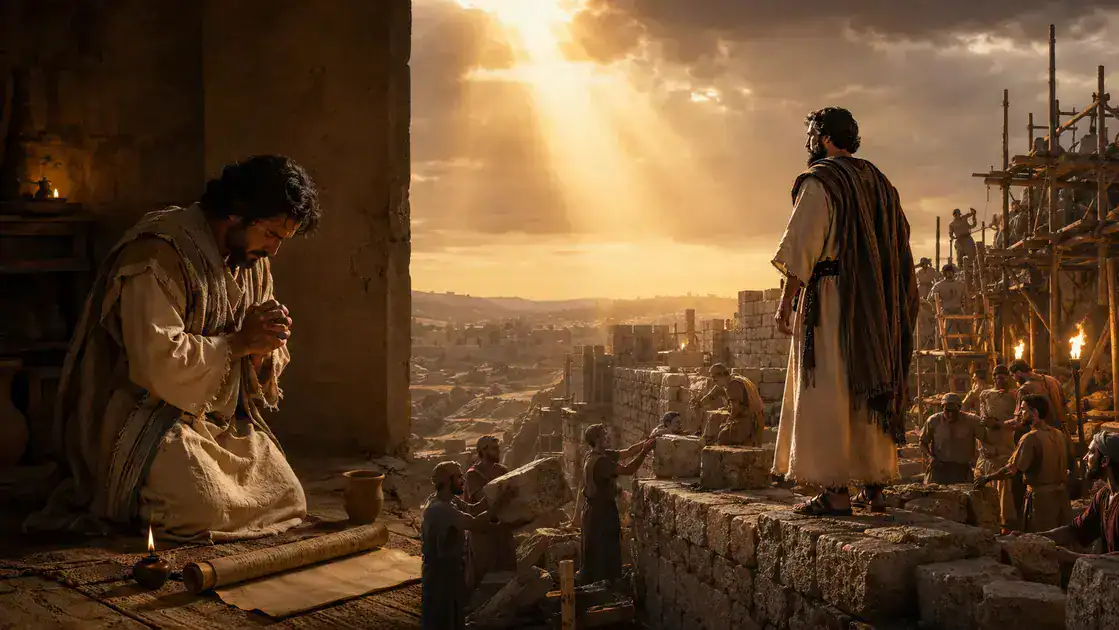
Daniel shows us how prayer can wear the shape of repentance and steady hope. He names the sin of his people and waits in the quiet for God’s mercy, asking not only for relief but for clear understanding of what is right. In Scripture his fasting and confession combine with a bold trust that God hears when a people turn back to him, making his example a template for national intercession.
Nehemiah adds the lesson that prayer often leads into work. He prays for favor, then speaks with the king, then helps rebuild the city wall with the people at his side. Prayer and practical action move together in his story: prayer opens doors and gives courage, while hands and plans finish what the heart began. This blend of petition and effort offers a model for those who long to see renewal in their land.
When we bring these stories together, a rhythm emerges for praying for a nation: honest confession, persistent asking, and wise, compassionate action. Begin with humility, name the needs, and then join small acts of mercy and justice to your prayers. Such intercession seeks both protection and the deeper gift of turned hearts, trusting that God answers with both grace and a call to repair what is broken.
Practical prayers: templates and sacred motifs to guide you
Simple sacred images help prayer take shape when words feel thin. An olive branch can stand for peace, a lamp for God’s presence, and a rebuilt stone for renewal. These quiet symbols become a shared language that steadies the heart and points the mind to what you ask God to do for a nation.
Use short, focused templates that fold those motifs into honest requests. For protection: “Lord, place your peace like an olive branch over our cities; guard the vulnerable and turn hearts from violence.” For repentance and healing: “God of mercy, show us the walls we must mend; give leaders and people courage to repair what is broken.” For wisdom and guidance: “Spirit, be a lamp to our leaders; soften hard choices and grant council that serves the common good.” Each line can be prayed aloud, repeated, or adapted to name specific places and people.
Practice makes these prayers more faithful and wise: set a brief daily rhythm, pray with a small group, and pair the requests with practical steps of kindness and justice. Keep a simple notebook of names and answers so you can see how prayer and action move together. Trust the small, steady work of asking, listening, and responding—this is how private petitions become public care and how faith turns into faithful service.
Tradition and theology: how church teachings view principalities
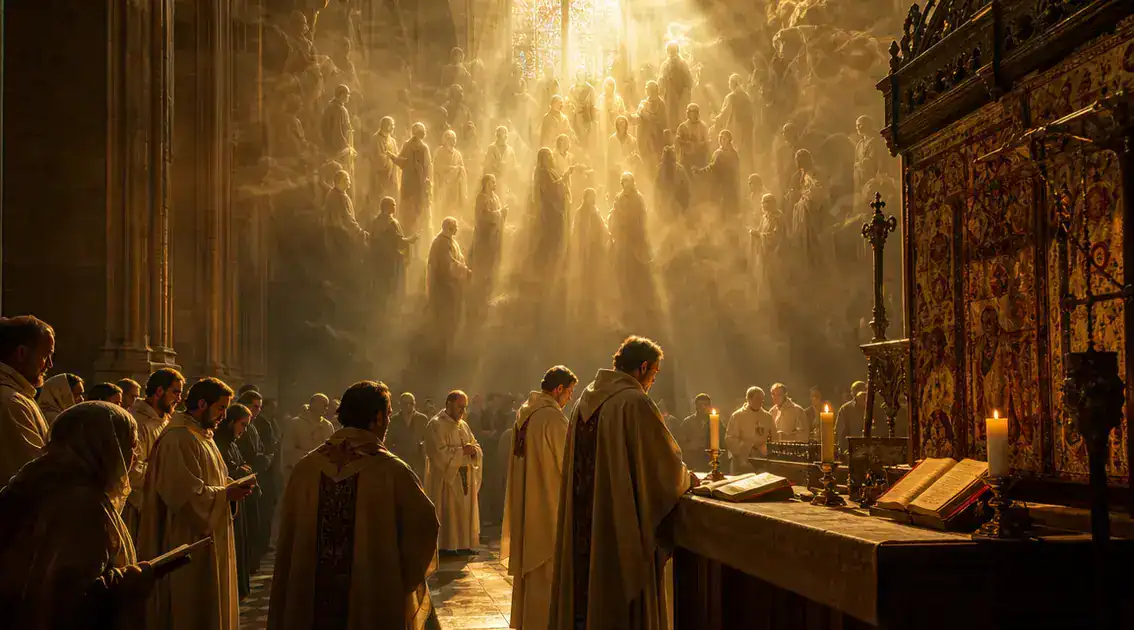
For centuries the church has spoken of principalities as part of a larger angelic order that both reflects God’s rule and tests human hearts. Early writers named ranks and roles to help communities make sense of spiritual reality, while medieval theologians systematized those ideas to show how heavenly orders relate to creation. Over time, councils and pastors kept a practical focus: these teachings were meant to shape worship, prayer, and moral life rather than to fuel curiosity about invisible hierarchies.
Theology also holds a pastoral balance: principalities may be honored as part of God’s ordering, yet Scripture and tradition insist on Christ’s final authority over every power. Many traditions warn that some principalities can fall into opposition to God, so the church responds with prayer, sacraments, and clear moral witness. Liturgy and communal confession are not just rituals; they are means by which believers place themselves under God’s protection and resist forces that seek to twist love into domination.
That background points to simple, faithful practices for those who pray for a nation. Learn the language of your tradition to ground your prayers, join regular worship to receive grace, and pair intercession with acts of justice and mercy. When theology is lived—through humble worship, honest confession, and service—the talk of ranks and powers becomes a prompt to deepen love for God and neighbor rather than a reason for fear.
Signs of spiritual fruit: how to recognize answered intercession
Seeing spiritual fruit often begins in small, ordinary ways: a hardened heart softens, neighbors forgive one another, parents choose mercy over anger. These changes do not always come with fireworks; they show up as steadier choices, renewed care for the poor, and a quieter courage to do what is right. Such signs remind us that God works slowly and faithfully, shaping character as much as changing circumstances.
On a broader level, answered intercession may appear as communal shifts—less violence in a neighborhood, new programs that aid the hungry, leaders who seek wise counsel, or a sudden turning toward justice in public life. You might also notice deeper spiritual evidence: a rise in honest confession, a growth in joyful worship, or people stepping into service they once feared. Together these outward and inward signs form a pattern that points beyond coincidence to a divine movement among the people.
Watch for confirmation in more than one place: personal testimony, changed behavior, and practical outcomes that match the petitions you offered. Keep a simple prayer journal to record requests and responses, and test discernment with Scripture and trusted companions. Remember that answered intercession often asks for patience and participation; when you see fruit, let it lead you into continued prayer, humble gratitude, and concrete acts of repair and care.
A gentle prayer for our nation
Lord, we lift our country to you with open hands and humble hearts. Help us to pray with honesty, to name what is broken, and to trust that you hear even the quietest petition.
May we remember Christ’s victory over every power and let that truth steady our hope. Give leaders wisdom, soften hardened hearts, and make your love visible in everyday choices.
Send us out with small acts of mercy and steady faith, so our prayers are matched by service and care. Teach us to wait, to listen, and to act with courage when the Spirit leads.
May your peace rest upon cities and fields, and may wonder at your goodness shape our days. In this trust we go forward, praying, serving, and keeping watch with gentle hope.
FAQ – Praying about principalities and intercession for a nation
What does the Bible mean by “principalities” and where are they named?
Paul names principalities among other ranks in passages like Ephesians 6:12 and Colossians 1:16 to describe spiritual powers that influence the world’s structures. The intent is pastoral: to name unseen realities without causing fear, while pointing readers to Christ’s supremacy (Colossians 2:15) over every order of power.
How should I pray when I feel these powers are at work in my country?
Begin with humility, confession, and Scripture-shaped petitions, following examples like Daniel’s confession (Daniel 9) and Nehemiah’s mixture of prayer and wise action. Use the pattern in Ephesians—truth, righteousness, faith, and the gospel—as spiritual posture, then pray specifically for leaders, the vulnerable, and for repentance and justice.
Can prayer and spiritual warfare actually change a nation?
Scripture shows communities are transformed when prayer leads to repentance and action: Daniel’s fasting opened revelation, and Nehemiah’s prayers preceded rebuilding and reform. Change is under God’s sovereignty, often slow, but persistent intercession paired with faithful work has a biblical precedent for renewal.
Are principalities simply angels, or are they fallen beings or demons?
Biblical and traditional language of angelic ranks describes a created order of spiritual beings; some remained faithful, while others rebelled and oppose God’s purposes. The church’s teaching balances respect for the angelic order with the warning that some powers can fall into opposition, which is why prayer, sacrament, and moral witness are offered as remedies.
Discernment looks for patterns that point beyond policy—entrenched injustice, repeated moral failure, or idolatries of wealth or power—and tests them with Scripture, prayer, and trusted companions. Practical signs include whether repentance and concrete reforms follow spiritual attention; if not, continued prayer and wise civic engagement should go together.
What signs show that intercession for a nation is being answered?
Answered intercession often shows up as small, steady fruits: softened hearts, more mercy among neighbors, new programs for the poor, leaders seeking counsel, and renewed public worship or confession. Track changes in behavior, community testimony, and practical outcomes to see a pattern that matches the petitions you offered.