
Feast of the Holy Archangels (September 29) honors Michael, Gabriel, and Raphael, commemorating their scriptural roles as protector, messenger, and healer while inviting the faithful to liturgical prayer, personal devotion, and compassionate service that cultivate discernment, courage, and spiritual healing in daily Christian life.
feast of the holy archangels september — have you ever felt a hush that made you look up? This feast gently gathers Michael, Gabriel and Raphael into one story, inviting a moment of wonder and quiet reflection.
Scripture portraits of Michael, Gabriel and Raphael
Have you ever read the Bible and felt the scene open like a quiet doorway? The Scriptures give brief but powerful portraits of the archangels so we can feel their roles in God’s plan. These passages do not linger on detail; they name actions and gifts so we can recognize what each archangel brings to our lives.
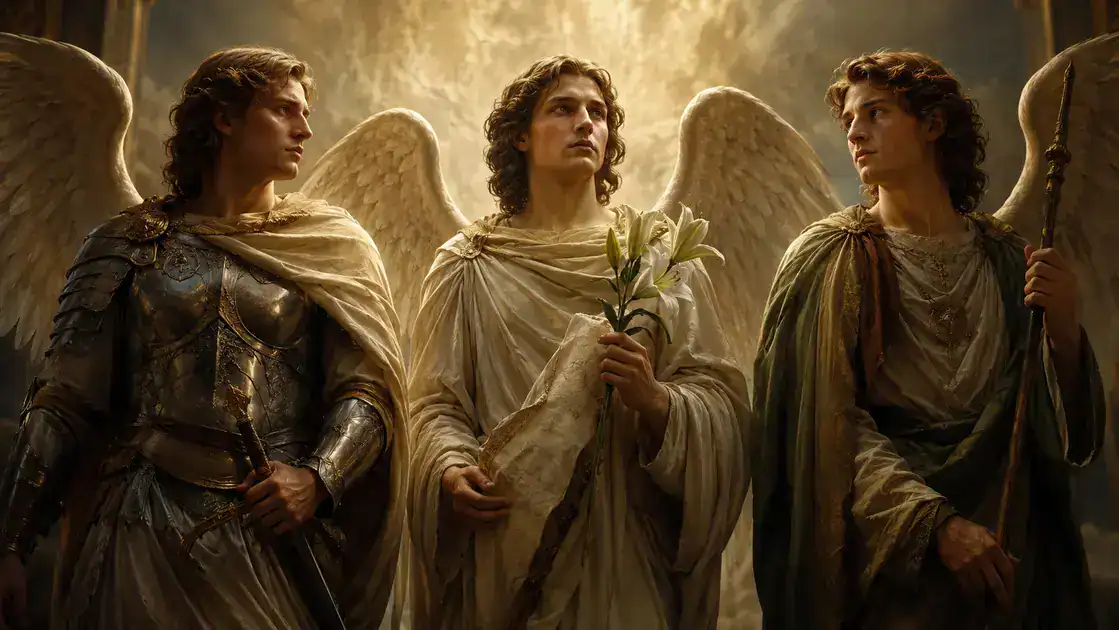
Michael appears as a protector and defender in passages like Daniel 10 and 12 and again in Revelation 12, where he leads the heavenly struggle against forces that threaten God’s people. In those moments the text invites trust rather than fear: Michael stands for God’s faithful strength. Gabriel arrives as a clear messenger in Daniel 8:16 and most tenderly in Luke 1, where he brings news that changes lives; his words show that God breaks in with direction, promise, and hope.
Raphael’s portrait comes in the book of Tobit, where he accompanies, heals, and guides with gentle skill, teaching us that God’s care often comes through companionship and healing work. Together, these three form a simple, sacred pattern—protection, proclamation, and healing—that helps readers pray with more shape and trust. Let these scriptural images seep into your quiet hours: they are invitations to notice how God watches, speaks, and mends in the small moments of daily life.
History of the September 29th feast in Christian tradition
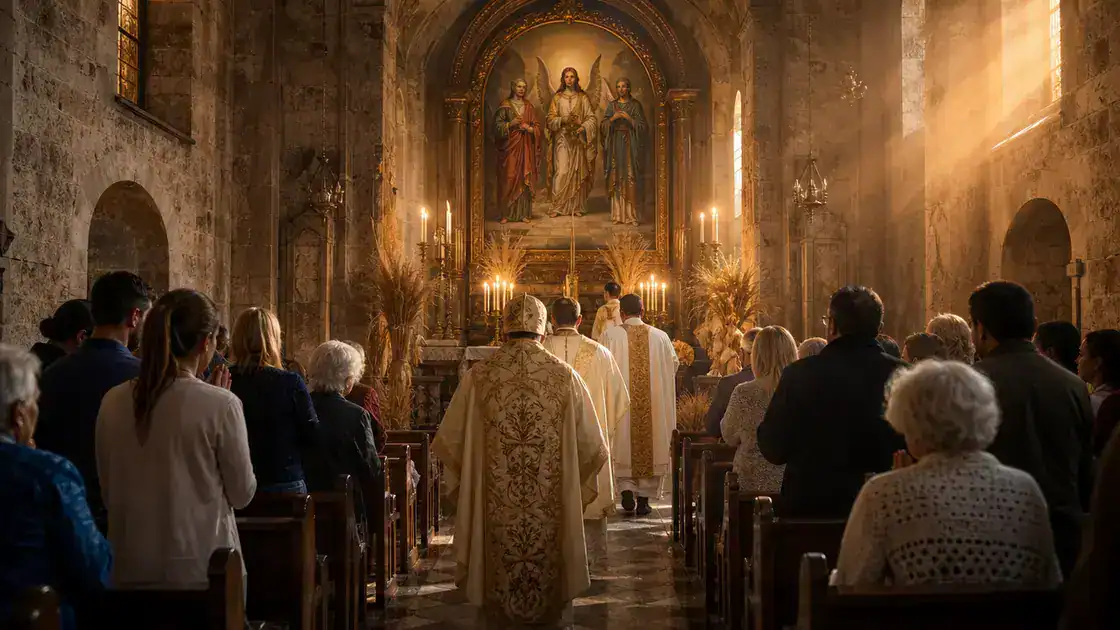
The September 29th feast grew from early Christian devotion to Michael and later became a marked day in the western calendar known as Michaelmas. Over centuries this date gathered simple liturgy, communal prayer, and even local harvest customs into a single moment of watching and thanksgiving. Those early observances were not just ceremonies; they shaped how people named God’s care in daily life.
Gradually, devotion widened to include Gabriel and Raphael alongside Michael, so the day came to honor the three archangels together as companions of God’s work in the world. Liturgical books and popular devotion adjusted at different times in different places, creating a tapestry of practice rather than one single pattern. The east and west kept distinct rhythms—many Orthodox churches observe a Synaxis of the Archangels in November, while western communities kept September 29th—showing how the same memory can be lived with local color.
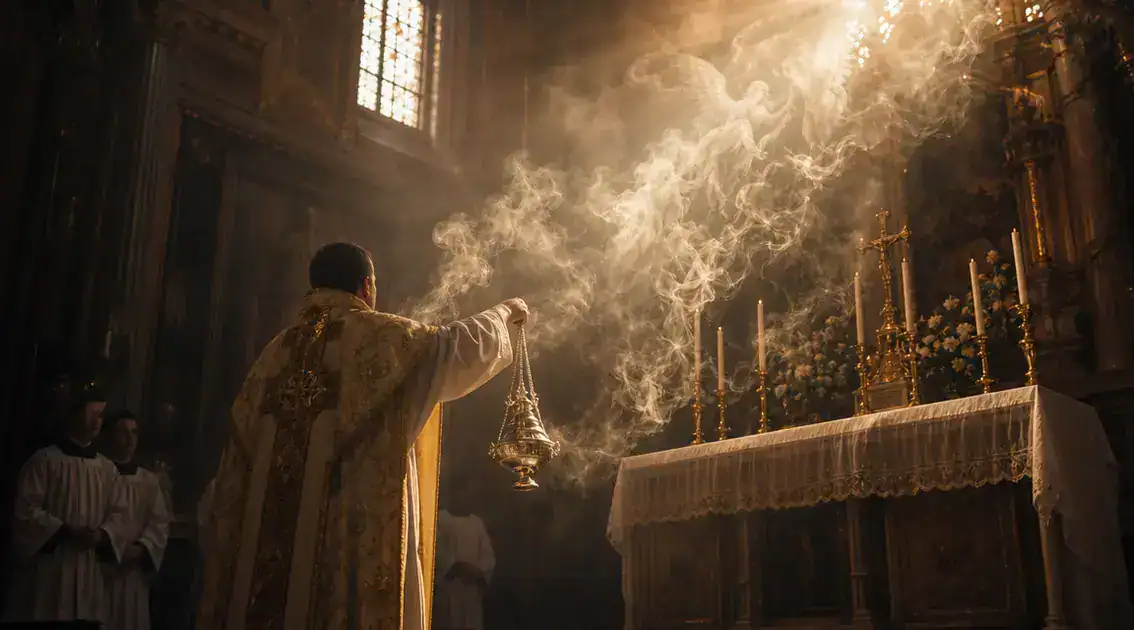
In worship, art, and prayer the feast invites people to name God’s action as protection, proclamation, and healing. You will find processions, incense, candles, and icons or paintings that help a community enter those meanings together, and simple rituals like blessings for travelers or the sick. Today the celebration still calls believers to notice how divine care moves through history and ordinary life, turning memory into a practice of trust and service.
Theological meanings: angels as messengers, warriors and healers
Scripture gives angels clear roles so we can see how God works in the world: as messengers, warriors, and healers. These categories help us name what we feel when a sudden word, a steady protection, or a gentle cure arrives. The Bible does not present angels as distant ideas but as means by which God speaks, defends, and restores.
Think of Gabriel as the one who brings news and direction; his visits carry purpose and promise, as in Luke’s account of the annunciation. Michael shows up where courage and defense are needed, standing firm against forces that would harm God’s people. Raphael moves in the quieter work of tending and guiding, as in Tobit, where healing and travel are woven together in gentle care.
These three images shape how we pray and live. We can ask for clear words when we face hard choices, trust in protection when danger comes, and seek healing in times of pain. Practically, that means practicing attentive listening, naming fears aloud, and offering small acts of care to others—ways of joining God’s work of speaking, guarding, and mending in daily life.
Popular devotions, prayers and liturgical expressions
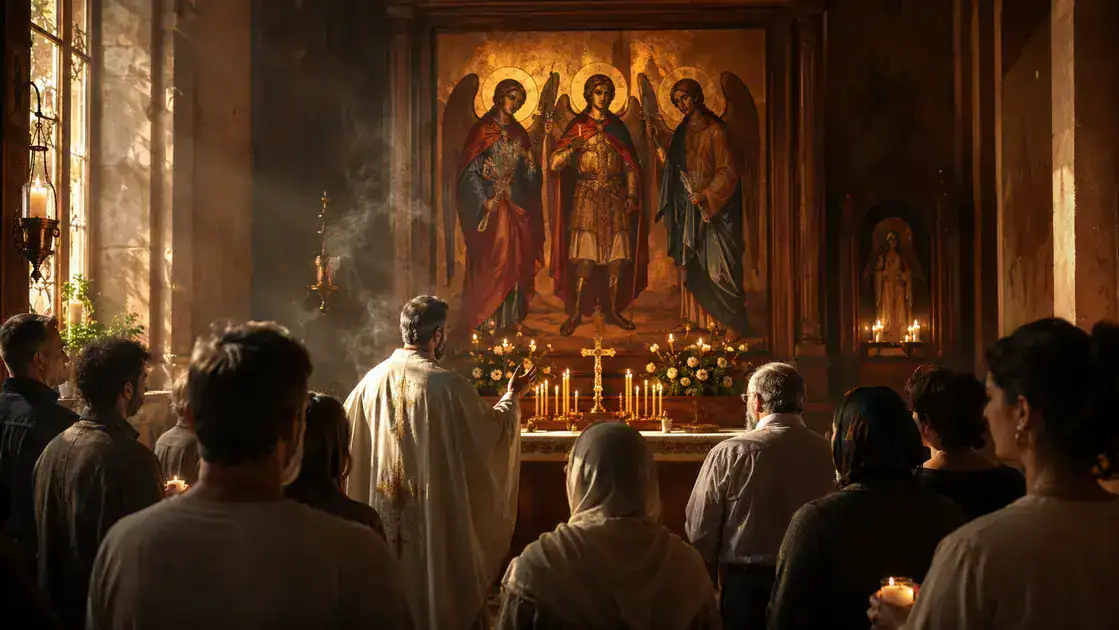
Many believers keep simple daily prayers for the archangels, naming them when they feel afraid or in need of guidance. Short prayers, the traditional Prayer to St. Michael, or a brief novena invite protection, intercession, and healing into ordinary moments. These devotions are easy to learn and can become steady habits—a way to name fear, ask for clarity, or offer thanks without elaborate ritual.
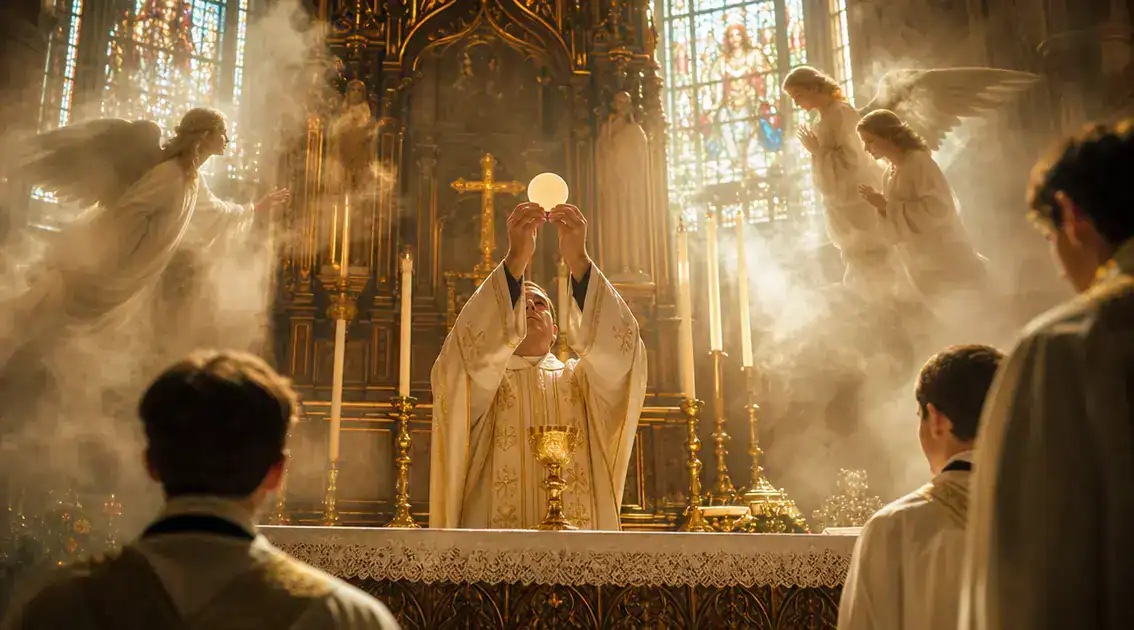
In public worship the feast takes on richer liturgical shape through specific Mass prayers, readings, antiphons, and hymns that recall the archangels’ roles. Churches use incense, candles, and icons or paintings to help the community enter the mystery visually and sensorially, while the collect and psalms focus attention on God’s care shown through heavenly messengers. Such liturgical signs form a language the whole congregation can speak together, so prayer becomes a shared memory as well as a personal request.
Communal customs also keep the feast close to daily life: processions, blessings for travelers or the sick, and local Michaelmas traditions that mark the season. These practices turn memory into action—people bless homes, visit the sick, or offer charity in honor of the archangels’ care. In these ways devotion moves from words into lived routines, shaping how a community listens for God, guards one another, and brings gentle healing to the world.
How the feast speaks to daily life and spiritual discernment
On a busy morning, the Feast of the Archangels can feel like a quiet nudge to pay attention to the small choices we make. Remembering Michael, Gabriel, and Raphael invites a habit of gentle listening before decisions, as if asking for a clear word, steady courage, or a healing touch in everyday moments. This is not drama or spectacle but a steady practice of discernment that trains the heart to notice God’s voice in the ordinary.
People often respond with simple practices: a brief prayer before work, a short moment of silence when a hard choice appears, or a quiet blessing for someone who is afraid. These small actions shape how we respond to stress and fear, helping us choose protection over panic, truth over confusion, and care over neglect. Over time those tiny pauses become a way of living that echoes the archangels’ roles—messenger, guardian, and healer—right where we are.
The feast also calls us to outward action: listening well to neighbors, offering practical help, and caring for those who are ill or alone. In doing these things we join the archangels’ work through kindness and presence, making faith visible in everyday routines. Let this celebration be less about a single day and more about a steady practice of prayerful attention and small acts of care that shape how you move through each day.
A prayer for accompaniment
Come, gentle archangels, stand with us as we walk through this day. Michael, Gabriel, and Raphael guide our steps, lend us courage, bring clear word, and offer quiet healing.
Help us to listen before we act, to meet fear with calm trust, and to turn small moments into chances to care for others. Let our choices echo their work of protection, message, and mercy.
Keep our hearts open to wonder and our hands ready to help. Send us forth in peace, wrapped in a sense of God’s nearness, that we might live this feast not as a single day but as a steady way of love. Amen.
What is the Feast of the Archangels on September 29th?
The Feast on September 29th—often called Michaelmas in the West—commemorates the archangels Michael, Gabriel, and Raphael and their distinct service to God. Its roots grow from biblical mentions (Michael in Daniel and Revelation, Gabriel in Luke) and later liturgical development; over centuries it became a day of prayer, thanksgiving, and local customs in western Christian practice.
Are Michael, Gabriel, and Raphael listed together in the Bible?
Not as a formal trio in a single canonical scene. Michael and Gabriel appear in canonical books (Daniel, Revelation, Luke), while Raphael’s clear portrait is found in the Book of Tobit, which is part of the Catholic and Orthodox canons. Christian tradition nevertheless groups them because their roles—guardian, messenger, and healer—together shape a prayerful understanding of God’s care.
How can I honor the archangels in personal prayer or devotion?
Simple, regular practices work best: a brief morning prayer asking for guidance, the traditional Prayer to St. Michael in times of fear, or a short novena asking for intercession. Pair such prayers with Scripture—read Luke 1 for Gabriel’s message or Daniel 10 for Michael’s protection—and make small acts of charity or a blessing for the sick to translate devotion into care for others.
Is the feast mainly for clergy, or can laypeople celebrate it at home?
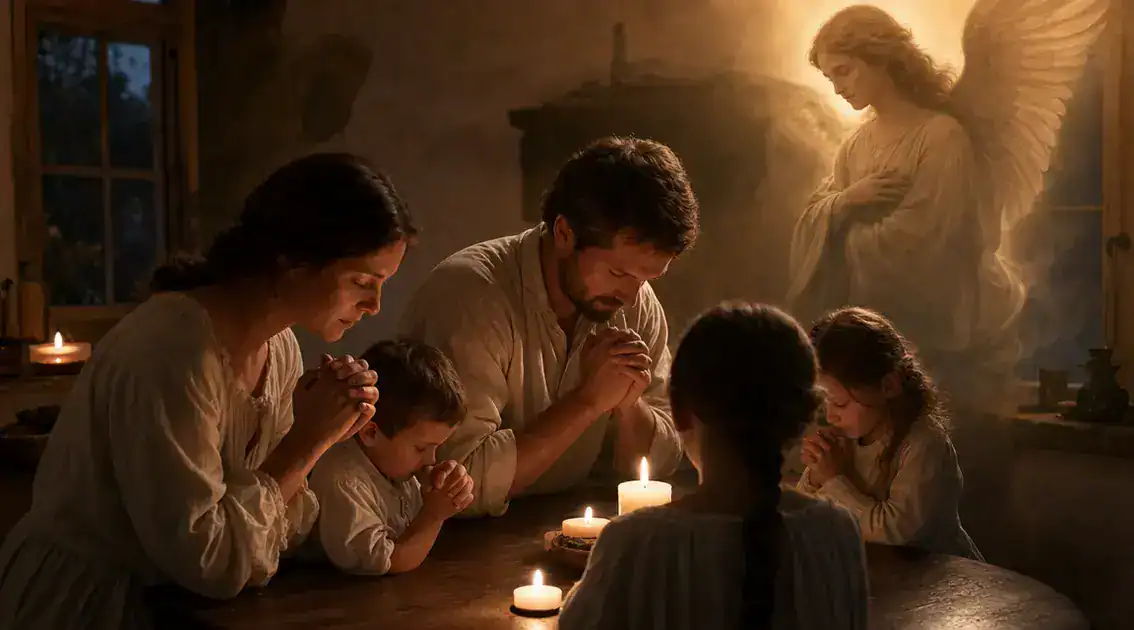
Laypeople are warmly invited to observe the feast: attend a service if possible, use family prayers and blessings, and mark the day with acts of hospitality or charity. Historically the feast shaped both public liturgy and household customs (blessings for travelers, harvest signs), showing that communal worship and simple domestic rites both honor the day.
What does devotion to the archangels teach about spiritual discernment?
The archangels model different movements of discernment: Gabriel teaches attentive listening to God’s word, Michael models courageous fidelity in the face of conflict, and Raphael shows the patient care of healing. Practically this means pausing for prayer before choices, asking for clarity when confused, and seeking the wise counsel of Scripture and community as part of discerning God’s will (see Luke 1; Daniel 10; Tobit).
Are prayers to angels the same as worshiping them?
No. Christian tradition distinguishes between worship due to God alone and asking angels or saints to intercede for us. The Bible itself discourages angel-worship (see Revelation 22:8–9 where John is corrected), while also showing angels as God’s servants sent to help people. Asking an angel to pray with or for you is framed as seeking support in the communion of believers, not replacing our worship of God.