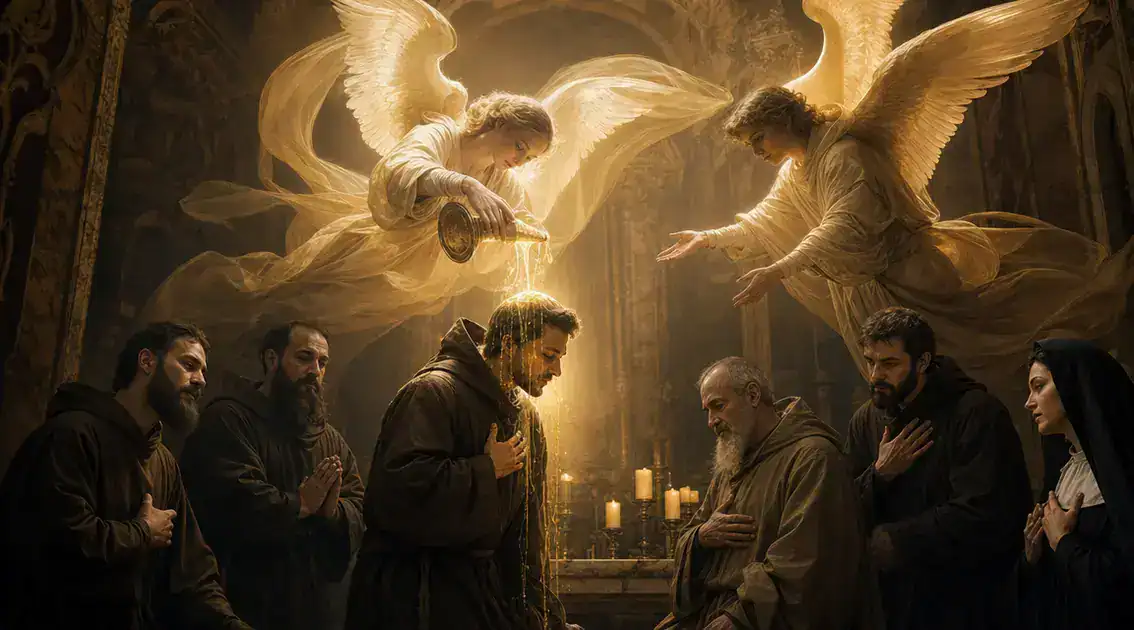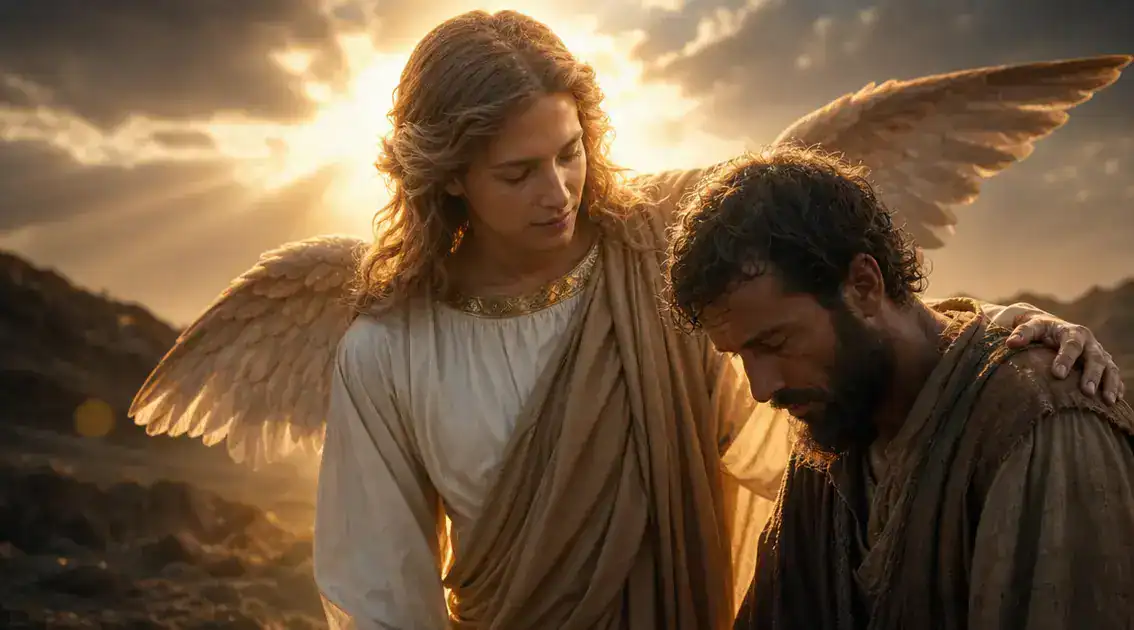

Virtues angels and miracles describe how angelic beings, endowed with God-given virtues of mercy, strength, and wisdom, act across Scripture, seen in Gabriel’s annunciation to Mary, Michael’s defense of God’s people, and the angel at the resurrection, to perform signs that heal, protect, instruct, and restore individuals and communities toward holiness.
Have you ever noticed a quiet moment in Scripture that felt like a door opening? virtues angels and miracles often arrive as small, luminous incidents — a guiding thought, an unexpected rescue — inviting us to watch for God’s hands at work.
What Scripture says about angelic virtues and signs
Scripture paints angels as active participants in God’s story, not distant symbols. From Gabriel’s clear message to Mary to the angel rolling the stone away at the tomb, these moments show heavenly beings interrupting ordinary life with divine purpose. Hebrews calls them “ministering spirits”, a phrase that reminds us their work is meant to serve and guide the human heart toward salvation.
These actions are more than dramatic gestures. Angels often carry out what I would call God’s virtues: mercy in rescue, strength in protection, and wisdom in guidance. Think of Psalm 91’s promise of guarding, Daniel’s vision of a warrior angel, or Peter’s release in Acts 12 — each scene is a small window into how God uses creatures of light to make the unseen near. In every story, the miracle points back to God’s love and intent, not to the angel as an end.
For prayer and daily life, these texts invite a gentle watchfulness. We do not seek signs for spectacle, but we remain open to how God may work through angelic care — a timely nudge, a freed step, a sudden peace. Let these biblical accounts shape a trusting habit: pray with expectation, look for quiet turns toward good, and receive such moments as grace that draws you closer to God’s heart.
Archangel Michael, Gabriel and the ministry of power

Archangel Michael appears in Scripture as a defender of God’s people, a figure who stands firm when danger presses in. His presence feels like a steady hand in the storm, a duty born of loyalty and strength. In those passages he is not a celebrity of power but a humble servant who acts with focus and fidelity.
Gabriel, by contrast, brings word and clarity. He steps into human scenes to announce God’s mercy and plan, making hidden truths known in a gentle, clear voice. Together, Michael and Gabriel show that the ministry of power blends protection and proclamation: one guards the way, the other opens the road with good news.
For our prayer life, their work teaches a simple lesson: divine power often comes as service. It supports courage, steadies fear, and turns reluctance into obedience. When we name our needs in prayer, we join a long story in which angels act not to glorify themselves but to draw us nearer to God’s will and peace.
Miracles as expressions of mercy: biblical case studies
Many biblical miracles arrive not as cold proofs but as tender answers to need. In Gospel scenes a touch, a word, or a shared meal brings healing and dignity back to a person who had lost both. These acts are not mere displays of power; they are expressions of God’s mercy that meet real hunger, illness, and fear in the lives of ordinary people.
Consider the paralytic lowered through the roof, or the blind man who calls out from the road. In each story the miracle heals a body and restores a place in the community. The gift is practical and personal: a healed limb, sight returned, bread enough for many. Such signs teach that mercy’s work is concrete and gentle, aimed at relief and welcome rather than spectacle.
These case studies invite us into a patient faith. When mercy appears, it asks for our trust and a willing heart to help others in turn. Miracles point toward compassionate action, shaping how we pray and how we live: watch for need, give what you can, and receive God’s care as an invitation to become mercy for someone else.
How angels guide, protect and prompt human response

In Scripture angels often act as gentle guides, leading people one careful step at a time. They may appear in a dream, bring a sudden idea, or open a door at just the right hour. This quiet work is guidance that honors our freedom while pointing us toward what is true and good.
They also serve as protectors when danger closes in, standing between harm and the ones God loves. Stories like the prison release or a guarded journey remind us that protection comes in many forms — a wakeful presence, a changed heart, or an unseen escape route. Such examples teach that divine care is practical and timely, not merely symbolic.
Finally, angels often prompt a human response, calling us to trust, obey, or serve. An angel’s word can turn a bystander into a disciple or a fearful heart into courage for action. When we learn to listen, prayer and simple obedience become the natural ways we join in what God is doing through these heavenly messengers.
Tradition and mystics: saints who witnessed angelic wonders
Across the long stream of Christian faith, saints have recorded moments when heaven touched earth. These accounts are not meant to dazzle but to steady the soul. They arrive in simple ways — a deep peace, a guiding image, a sudden consolation — and point to a living God who cares for small, careful hearts.
Many witnesses stand out. Padre Pio spoke of an ongoing sense of angelic presence that strengthened him in ministry and prayer. Teresa of Ávila described interior raptures and clarity that she received as gentle help on the road to greater surrender. Others, like Francis of Assisi, experienced profound encounters that led them to deeper poverty and love for the poor. In each case, the meeting with the heavenly was joined to humility, service, and a firmer love for God and neighbor.
The saints’ stories teach a practical lesson for prayer today: look for signs that lead to holiness, not for signs that feed vanity. Practice quiet discernment, test experiences by their fruit, and seek counsel when needed. Such care helps us receive what is gracious and reject what would distract, letting the witness of the mystics become a steady guide toward faithful living.
Practical devotion: recognizing signs and responding in faith
Learn to notice the quiet ways God moves by practicing simple presence in daily life. A sudden calm in the heart, a timely thought to call someone, or an unexpected open door can be a small sign. When you pause and breathe, these moments become easier to see; discernment grows from habits of prayer and gentle attention rather than from searching for spectacle.
When a sign appears, test it warmly and wisely. Bring the moment into prayer, read Scripture with the experience in mind, and ask trusted companions for their view. Let Scripture and community be your guides: they help you see whether the sign leads to love, peace, and humility or to confusion and self-interest.
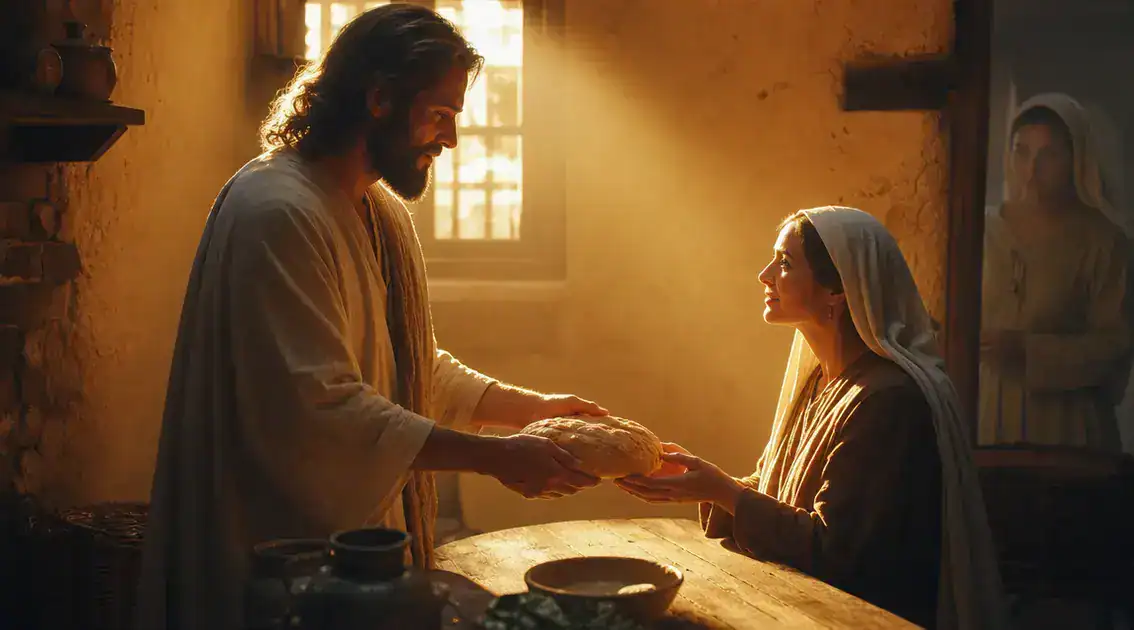
Finally, respond with simple faith and service. A faithful answer often looks like a small act — a meal offered, a forgiving word, a step toward service — rather than a grand gesture. Practice obedience to what seems true, give thanks for the grace you receive, and let your actions become the natural fruit of the signs you have seen.
A gentle sending
May you walk with soft eyes that notice small acts of grace. The stories of angels and miracles invite us to live with hopeful attention each day.
Remember you are never alone. In a sudden calm, a timely help, or an answered prayer, God is near and often works through quiet means to meet our need.
Pray for clearer sight and a willing heart. Simple acts of mercy and small steps of obedience are the right responses to the gifts we receive and help God’s love spread.
Go in peace, carrying wonder and readiness to serve. May each gentle sign draw you closer to God and to those who need your care.
FAQ – Common questions about angels, virtues, and miracles
Do angels really act in our lives according to the Bible?
Yes. Scripture shows angels intervening as messengers and helpers—Gabriel announcing to Mary (Luke 1), an angel freeing Peter (Acts 12), and the angel at the tomb (Matthew 28). These accounts show God using angels to carry out his care for people.
Does every person have a guardian angel?
Many Christian traditions teach that each soul is entrusted to a guardian angel. Jesus’ words in Matthew 18:10 and long-standing church practice support the belief that God gives attentive care through such ministering spirits.
How are miracles in Scripture expressions of God’s mercy?
Gospel miracles often meet real need—healing the sick, feeding the hungry, restoring hope—so they show God’s mercy in action. Stories like the healing of the blind or the feeding of the crowd remind us that miracles aim to heal persons and restore community, not merely to amaze.
How can I discern whether a sign is truly from God or an angel?
Test every experience with prayer, Scripture, and humble counsel. Scripture advises testing spirits (1 John 4:1) and judging by their fruit (Matthew 7:16–20): does the sign lead to love, peace, humility, and service? Seek wise companions and let the Bible be the first measure.
What do archangels Michael and Gabriel teach us about divine power?
Michael and Gabriel model how divine power serves God’s purpose: Michael as protector and defender (Daniel 10; Revelation 12), Gabriel as messenger who brings clarity and mercy (Luke 1). Their ministries show that true power in Scripture is ordered to protection, proclamation, and service.
If I feel prompted by an angel, how should I respond?
Respond with simple faith: pray, check the prompting against Scripture, and act in small, loving ways—feed, forgive, or help as you are able. Bring the experience into prayer and community for discernment; let obedience and mercy be the natural fruit of what you received.