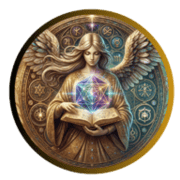
Angelic iconography in the Orthodox Church presents a disciplined visual theology—using ordered hierarchies, symbolic colors, gestures, and attributes—so icons teach that angels are real, ministering beings participating in divine worship, protecting and guiding the faithful, and inviting believers into the Church’s liturgical and prayerful life.
angelic iconography orthodox church; have you ever stood before an icon and felt a hush, as if a winged presence watched? In this short guide, I trace the rules, colors, and gestures that help icons speak—inviting you to encounter angels as living signs of God’s nearness.
Biblical roots of angelic imagery
Have you ever noticed the first stir of wings in Scripture, a quiet moment that feels like a door opening? In the Bible, angels often arrive as messengers and guardians, moving between heaven and earth to bring word, comfort, or warning. They do not simply decorate a story; they enter it, touch a life, and point us toward God.
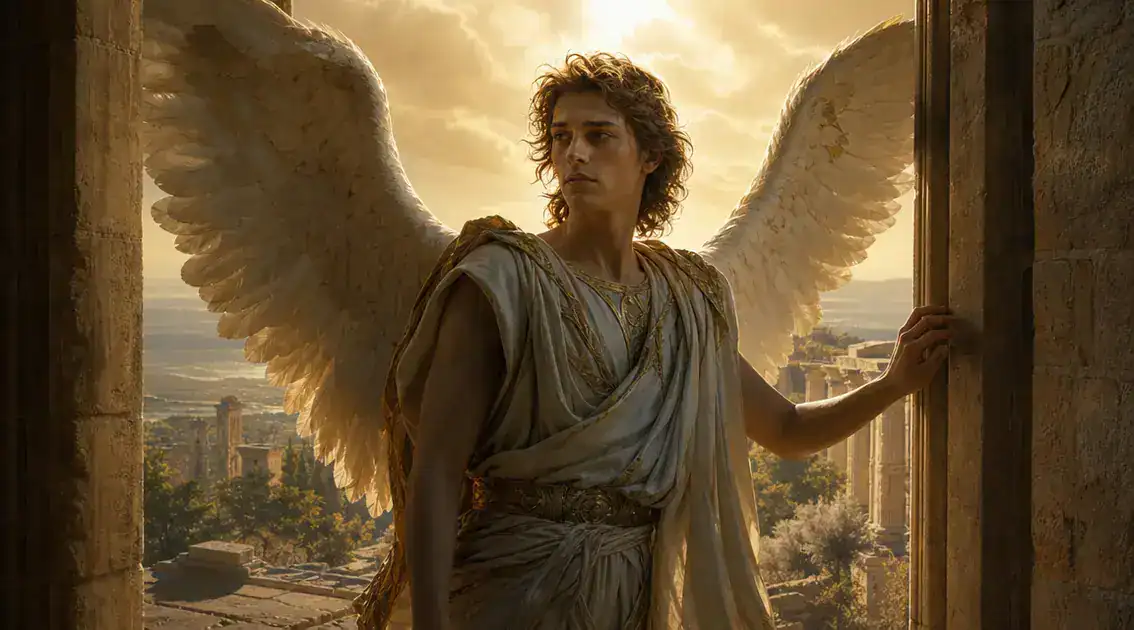
From the visit to Abraham and Sarah to the shepherds at Bethlehem, these figures appear in plain, human settings and in wild, visionary scenes. Prophets like Isaiah and Ezekiel describe throne-room visions filled with seraphim and cherubim, creatures that emphasize God’s holiness and nearness. These images teach us that angels belong both to everyday care and to the mystery of worship.
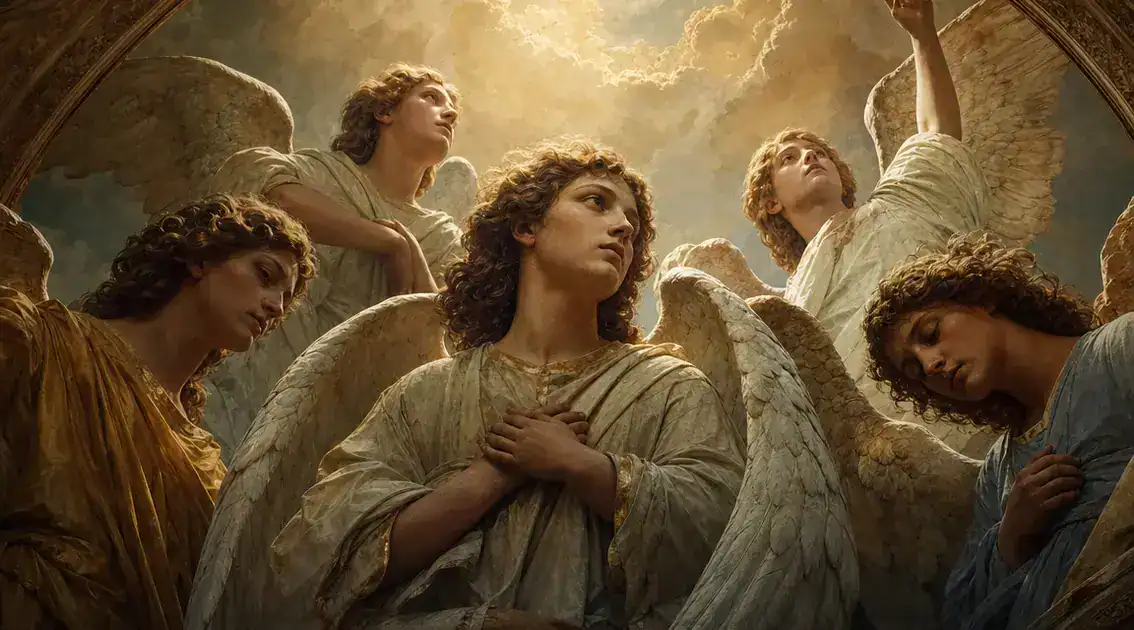
Over time, artists and iconographers shaped these biblical moments into recognizable signs: wings for swiftness, garments that echo priestly or royal dignity, faces turned in awe or blessing. In Orthodox tradition, such choices are not mere decoration but a visual language that helps the faithful see the spiritual truth—angels as real, ordered, and always pointing us toward the living God.
Canonical rules for painting angels
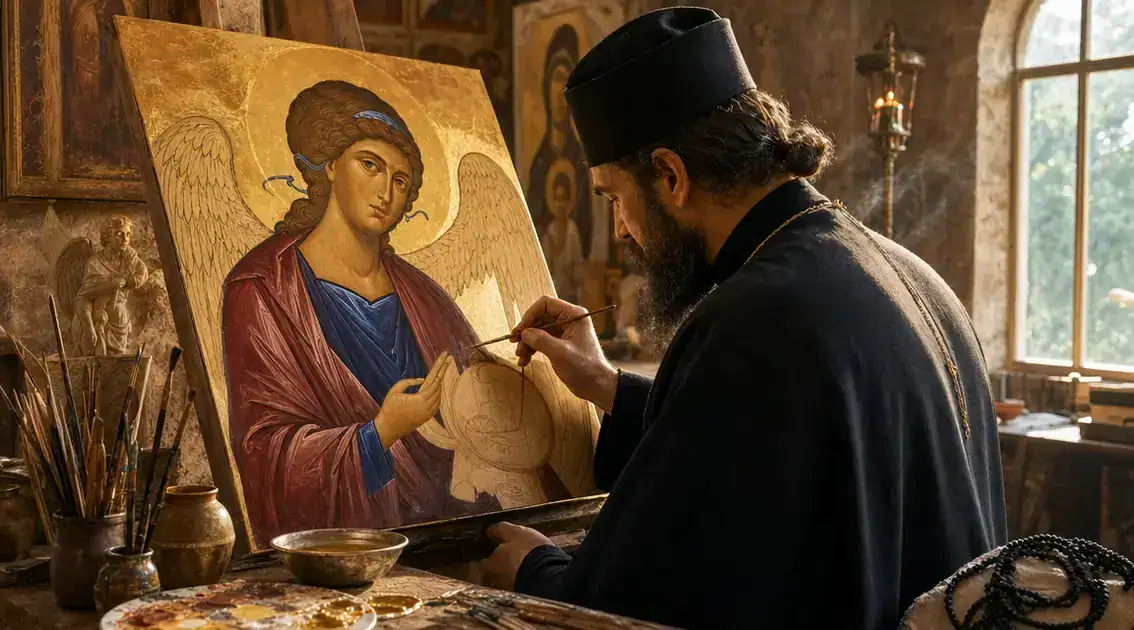
In Orthodox practice, painting angels follows a living set of rules that guide both hand and heart. These rules are not mere style notes but a way to teach the faithful; an icon is theology in color, a visual prayer that points beyond itself. The iconographer works within this tradition to keep the image true to the Church’s witness.
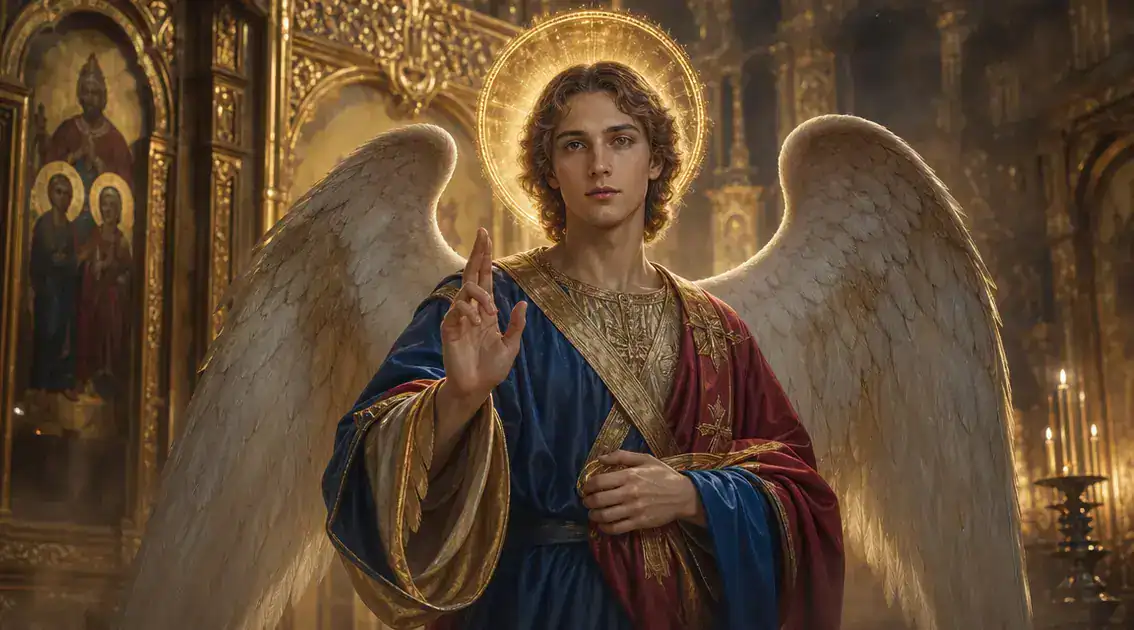
Visually, the rules shape proportions, posture, and palette so that every detail carries meaning. Faces are calm and slightly elongated, eyes attentive rather than dramatic, and wings are rendered with careful feather work to suggest motion and service. Colors are chosen for significance: deep blues and crimson speak of dignity and heaven, while gold denotes uncreated light. Common gestures—the blessing hand, a tilted head, or a scroll—serve as clear signs: the gesture of blessing shows mediation, the scroll shows message.
The practice also shapes the artist’s process. Work is done slowly, often with prayer, egg tempera, and gold leaf applied by hand to create a quiet glow that seems to come from within the image. These methods keep the icon from becoming mere portraiture and hold it as a tool for worship. When we stand before such an icon, we are invited to receive what the form expresses: order, presence, and the holy service of angels toward God and humanity.
Symbolic colors, gestures, and attributes
Colors in Orthodox angel icons are a simple, spoken language. Artists use gold to suggest uncreated light and the presence of God, while deep blue often points to heavenly mystery and red to divine energy or sacrifice. White can show purity and transfiguration, and green may hint at life or renewal. These choices help the viewer read an image as a living statement, not just pretty paint.
Gestures form the next layer of meaning and lead the eye where the colors begin. The familiar right hand raised in blessing speaks of mediation and prayer, while the orans posture—hands lifted—invites communal worship. A tilted head can show compassion or listening, and a scroll or open palm tells us whether the angel bears a message or serves. Each gesture is a small sermon made visible, gently teaching how angels act toward God and people.
Finally, attributes give the angel a role we can recognize at once: wings for swift service, a halo for participation in divine light, and garments that echo priestly or royal dignity. Objects such as a scroll, spear, censer, or sword are not ornaments but signs that reveal mission—messenger, protector, or worshiper. When these colors, gestures, and attributes come together, the icon becomes a quiet classroom of faith, inviting the viewer into prayer and understanding.
Hierarchy of angels in iconography
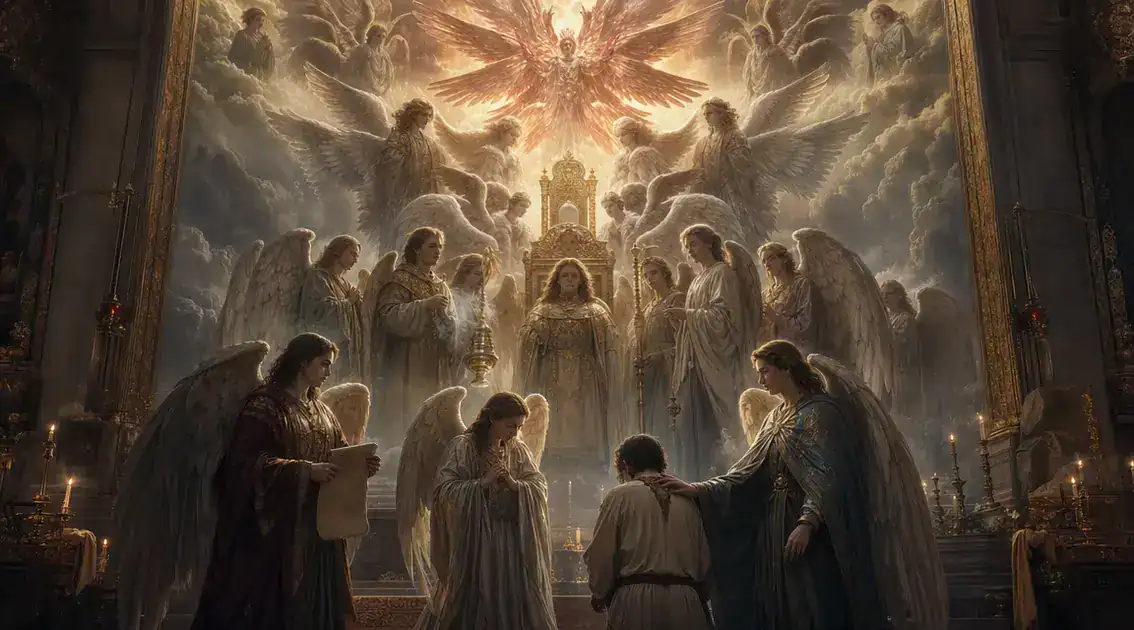
Orthodox iconography arranges angels in a clear order so the faithful can see how heaven is ordered around God. The traditional nine ranks are often grouped in three triads: the highest triad (closest to God), the middle triad (guardian and ordering forces), and the lower triad (messengers and protectors). This ordering is not about status for pride but about roles that point us to God’s life and care for the world.
Icons show these ranks with careful visual signs. The highest angels—seraphim and cherubim—are placed near the throne or the mandorla, painted with luminous golds and warm reds to suggest burning love and worship. The middle ranks, like dominions and virtues, wear garments that look solemn and ordered; they may hold symbols of service, such as censers or sceptres, to show how they sustain creation. The lower ranks—principalities, archangels, and common angels—are often shown in more human scale, ready to deliver messages, guard communities, or stand with saints. Each visual choice teaches a simple fact: angels serve in different ways, but all serve one Lord.
Knowing this hierarchy helps when we pray with icons. Seeing a seraphim near Christ invites us into reverent awe; seeing an archangel with a scroll or sword reminds us that God protects and guides nations and persons. Icons place angels within the life of the Church—around altars, in feast scenes, and beside holy figures—so that worship becomes a sharing in heaven’s order. In every icon we meet a living tradition that invites us to join the praise and trust the care those ranks show.
Feasts, liturgy, and the icon’s devotional use
Icons of angels play a quiet but central role in feasts and liturgy, showing us that heaven joins our worship. During feast days, images of archangels and angelic hosts are set forward, censed, and sung to, so the people see the same figures the Church honors in prayer. In this gentle practice, the icon becomes a way to meet the unseen; it is not an object of worship but a window into heaven that points our hearts upward.
In the liturgy, icons guide gestures and speech. Priests cense the icons, incense rises, and the faithful light candles and bow before the painted faces. People may kiss an angel icon or stand in quiet prayer, reading the signs—wings, gestures, and colors—that teach what the angel is doing. These actions form a shared pattern: the community learns to pray with the image and to let the icon shape its devotion.
At home and in church, icons help the believer join the larger life of the Church. A feast icon reminds us that angels stand with us in praise, that worship is both local and cosmic. By living with these images through seasons and services, we grow in trust and wonder, learning to see our prayers as part of the same song that rises with the angels around God’s throne.
Common misconceptions and devotional cautions
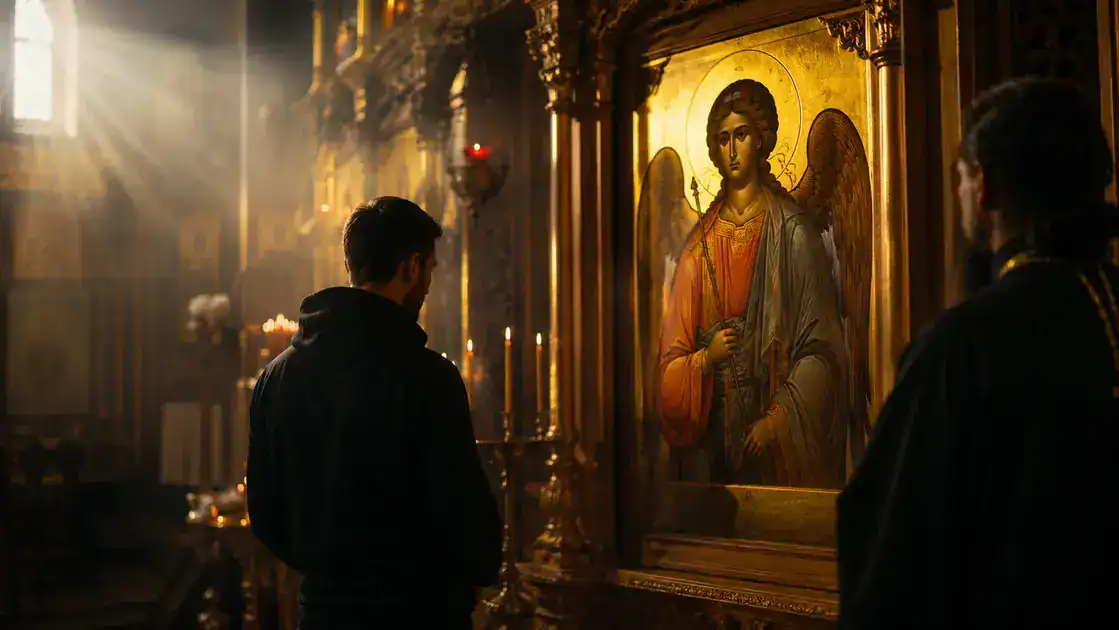
Many people imagine angels as bright helpers from stories or as magical spirits ready to grant wishes. In Orthodox practice, icons of angels are meant to teach and point beyond themselves; icons are windows into heaven, not charms or toys. When we look at an angel in an icon, we are invited to see God’s care, not to collect promises of power.
Because of this, the Church warns against searching for signs, visions, or secret messages in icons. Devotion can become risky when it turns into superstition or when private experiences replace communal prayer and guidance. If something you see or feel seems unusual, bring it to a priest or spiritual father so it can be weighed with prayer and pastoral care.
In everyday life, approach angel icons with simple, reverent habits: light a candle, make the sign of the cross, and offer a short prayer asking angels to lead you to Christ. Keep your focus on worship and on the Gospel, letting icons form you in humility and awe rather than fear or fanciful expectation. This steady, measured devotion helps the faithful keep wonder and wisdom together.
A gentle prayer as we go forth
May the images and words you have met here lead your heart nearer to God. Icons do not hold power on their own; they invite us to encounter the living Lord. In their colors and gestures we glimpse a truth: we are never truly alone, for heaven reaches toward our day-to-day life.
Keep small, steady practices: a candle lit, a brief sign of the cross, a whispered greeting to your guardian. These simple acts train the eye and the heart to notice grace. Let angelic images teach you how to praise, to trust, and to serve with quiet courage.
May the angels who stand before God stand with you in prayer and in work. May their service remind you that your life is part of a larger song of praise. Go in peace, with wonder in your steps and gratitude in your heart.
FAQ – Angels, icons, and Orthodox devotion
Do angels really exist according to Scripture and the Church?
Yes. Scripture speaks of angels often (for example, Psalm 91:11 and Hebrews 1:14), and the Church has long taught that they are real, ministering beings who serve God and aid his people. Tradition invites us to receive this as part of the living faith, not as mere legend.
What does the Church say about using icons of angels in prayer?
The Seventh Ecumenical Council (Nicaea II, 787) affirmed the rightful veneration of holy images. Icons of angels are treated as “windows into heaven”—they point beyond the paint to God’s truth. Veneration of an icon honors the prototype it represents; worship (“latreia”) is reserved to God alone.
How should I venerate an angel icon without falling into superstition?
Approach icons with simple, reverent acts: light a candle, make the sign of the cross, offer a brief prayer asking the angels to lead you to Christ. Keep your focus on the Gospel and communal liturgy. If devotion turns into charm-seeking or private signs, bring it to a priest or spiritual father for guidance.
What is the difference between archangels and guardian angels?
Archangels (like Michael and Gabriel in Daniel and Luke) appear in Scripture with particular missions of judgment, protection, or announcement. Guardian angels, a long-held tradition and implied in passages such as Matthew 18:10, are understood as personal guardians assigned to care for individuals. The difference is mainly in scope: public, named missions versus personal, protective care.
Why do angels in icons wear certain colors or make particular gestures?
Iconographers use a visual language: gold suggests uncreated light and God’s presence, blue points to heavenly mystery, and red can signal divine energy or service. Gestures—blessing, orans posture, holding a scroll—signal role and action: blessing for mediation, or a scroll for a message. These choices teach devotion and help the faithful read the image.
I had an unusual experience—a dream or vision of an angel. What should I do?
Treat such experiences with humble discernment. Scripture urges testing spirits (1 John 4:1). Share the experience with a trusted priest or spiritual father, measure it against Gospel truth, and watch whether it leads you to prayer, humility, and love. The Church values pastoral wisdom over private excitement.