Thrones are a little-known yet potent order of angels in Scripture and tradition, depicted as contemplative bearers of God’s presence who uphold divine justice, sustain heavenly worship, and inspire quiet devotion, offering a model of patient guardianship that shapes liturgy, mysticism, and everyday Christian practice.
thrones least known most powerful angels — have you ever felt the hush of a scene beyond words? This short guide invites you to meet these quiet, majestic orders through scripture, tradition, and gentle reflection.
Who are the Thrones in Scripture and early tradition
Scripture offers only brief glimpses of the Thrones, but those glimpses are full of meaning. In lists of spiritual ranks and in visions of heaven, the word “thrones” points to both a seat of rule and a way of being near God. For example, Colossians 1:16 names thrones among the heavenly orders created through Christ, which suggests they share in his purpose and presence rather than acting on their own.
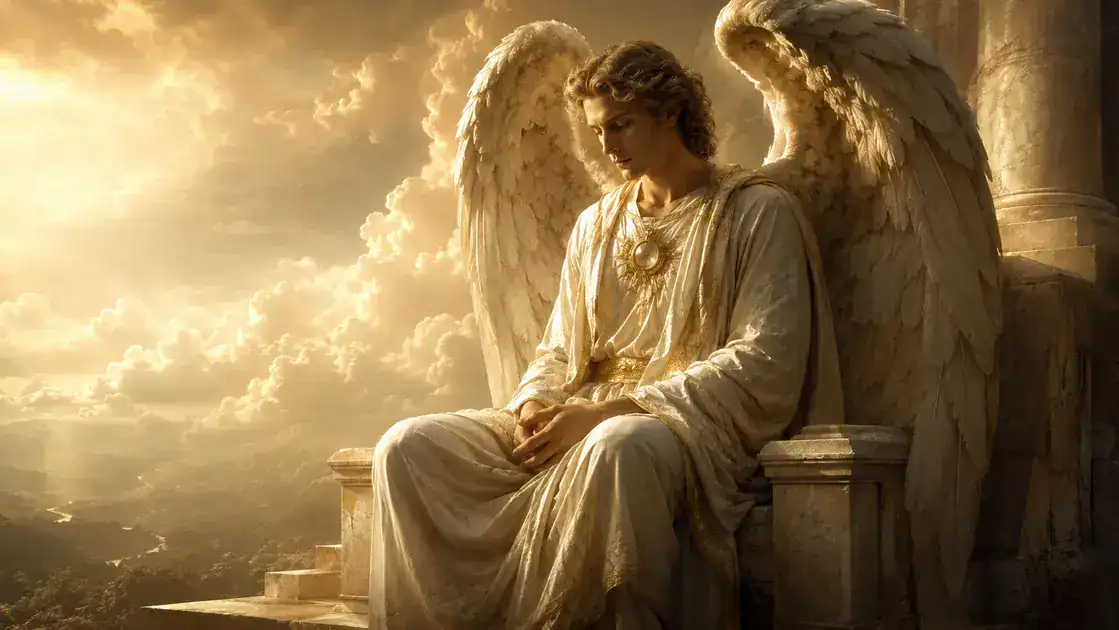
Those biblical hints shape how readers have pictured the Thrones: not as distant rulers, but as figures who hold and reflect divine authority. They are often linked with justice, peace, and a humble service that supports God’s rule. This image invites us to see the Thrones less as display and more as steady, contemplative guardians who help sustain the order of creation and carry God’s presence without seeking attention.
Early Christian and mystical tradition
Writers like Pseudo-Dionysius and later theologians placed the Thrones among the highest orders of angels, describing them as bearers of God’s presence and of spiritual balance. Pseudo-Dionysius emphasizes their contemplative silence, while medieval thinkers such as Aquinas reflect on their role in manifesting divine justice and harmony. These voices do not turn the Thrones into lofty abstractions; they shape a devotional image of angels who remind us that God’s reign is both majestic and quietly ordered.
That tradition leads naturally to a devotional response. When we pray or read Scripture, we can picture the Thrones as a stillness that holds God’s justice and mercy together. This is not a proof to argue about, but an invitation: to practice a patient listening and to let the calm responsibility of the Thrones shape how we seek God’s will in ordinary life. Such a practice makes the biblical hints and the early traditions come alive as a lived, reverent way of being.
Scriptural passages that suggest the Thrones’ vocation
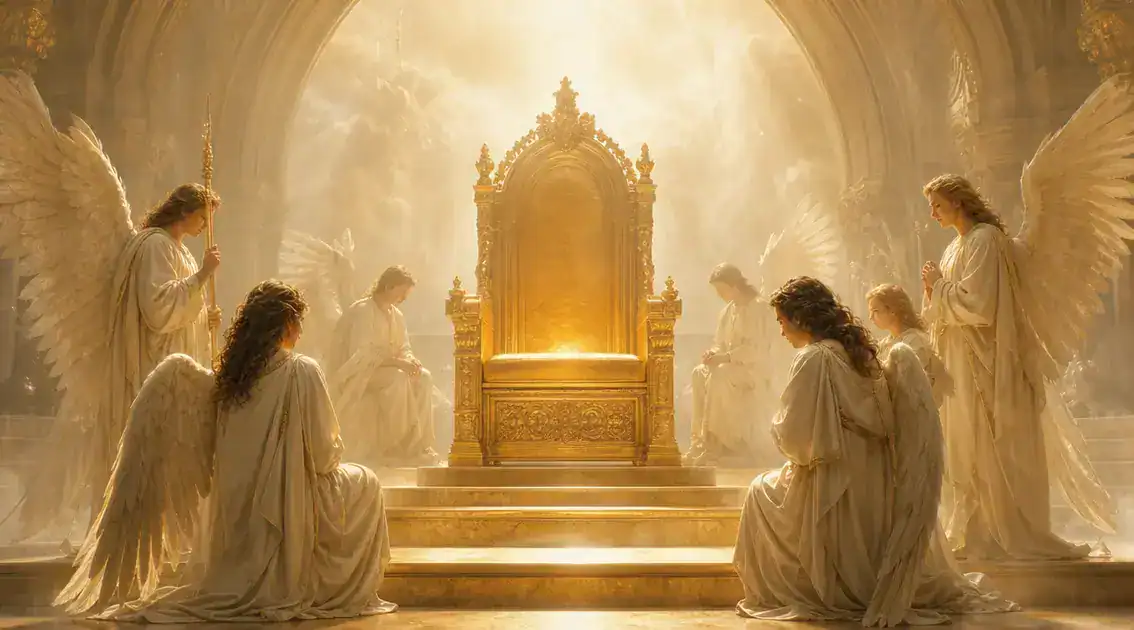
Colossians 1:16 briefly names thrones among the heavenly orders, and that short phrase opens a window into their vocation. The verse places the Thrones within the circle of creation that serves Christ, which suggests their primary work is to reflect and hold divine authority. When a text so spare still links them to Christ, it points us toward a role defined by faithful service rather than by self-display.
The book of Revelation enlarges that hint by showing thrones in a worshiping context near God’s own presence. In visions of heaven, elders and heavenly beings sit or stand around God’s throne in silent, steady witness, offering praise and carrying out God’s will. These scenes teach that the Thrones are connected to both worship and governance — they sustain the order of heaven while keeping their focus on God.
Other passages, like Ephesians 3:10 and the throne-language in Daniel, help round out the picture: heavenly ranks reveal God’s wisdom and uphold his justice. Taken together, these scriptural glimpses suggest a vocation of attentive guardianship, where the Thrones bear God’s presence into the world and shape a heavenly steadiness we can imitate in prayer. Reading these verses devotionally invites us to learn calm service and to trust that God’s rule is held by faithful, unseen hands.
Theological meanings: justice, presence and divine rest
The Thrones invite us into a simple theological rhythm: justice, presence, and divine rest. These three ideas hang together like breath and heartbeat. When Scripture names the Thrones, it hints that their work is not about spectacle but about holding God’s order with quiet fidelity.
Think of justice as steady balance rather than loud judgment. The Thrones reflect God’s rightness by keeping harmony within creation, not by striking fear but by maintaining order. Their service teaches us that true justice is patient and constant, a steady care that asks us to trust God’s shaping hand in small, daily choices.
Nearby that justice is a lived sense of presence and rest: the Thrones dwell close to God and so show us what it means to be held. This divine rest is a calm trust, a place where worship and work meet without hurry. Letting that image shape our prayer can bring a gentle peace—an inner posture of listening and steady faith that echoes the Thrones’ quiet guardianship.
Mystical and liturgical encounters with the Thrones
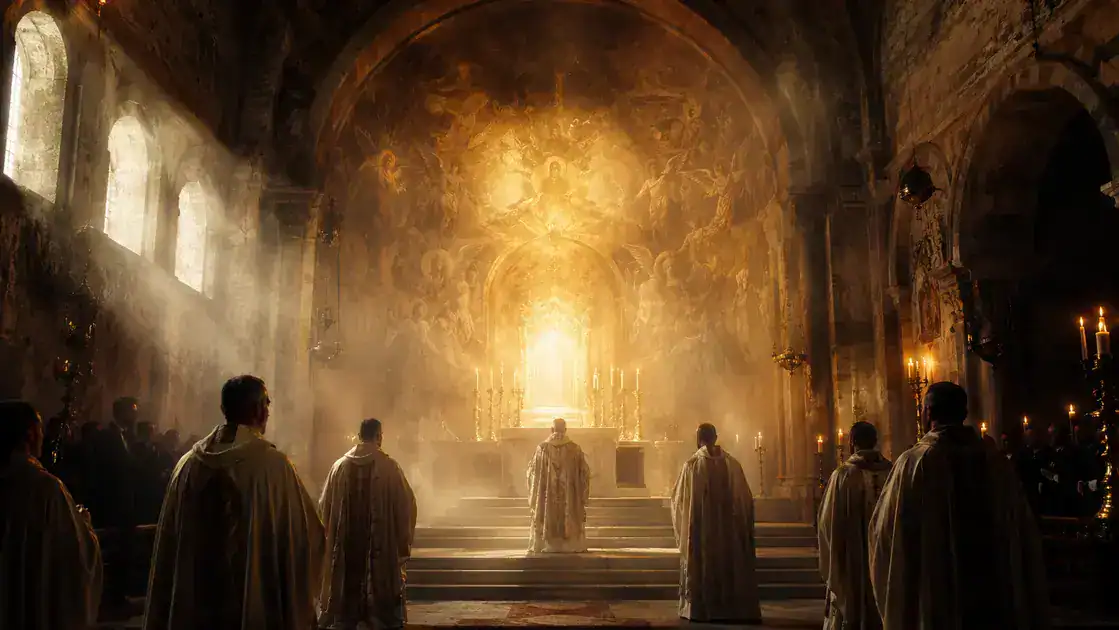
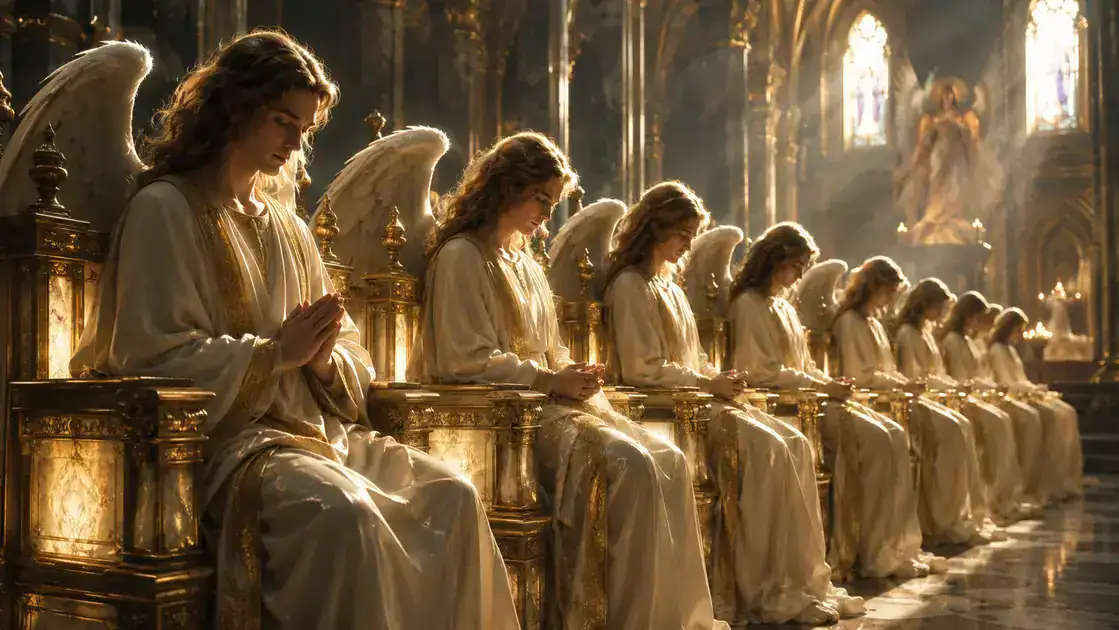
Many mystics speak of the Thrones not as distant ideas but as a felt presence in the hush of prayer. In moments of deep stillness, saints and contemplatives describe a quiet that is almost tangible, as if a ring of steady beings holds the space around God’s presence. This contemplative silence is not empty; it is like a shelter where justice and mercy rest together, and those who linger there come away with a calm courage to love and serve.
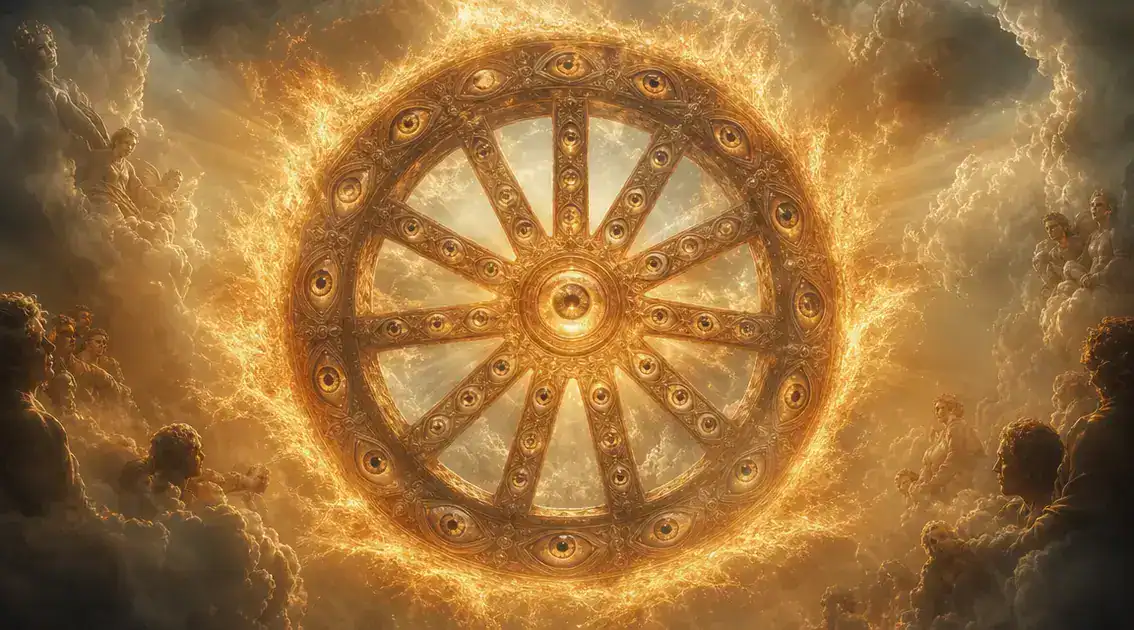
Liturgical life often shapes this feeling into sound and symbol. In old chants, incense, and icons the idea of the Thrones appears as a circle of watchful, winged figures surrounding a luminous center, helping worshipers imagine heaven drawn near. The steady rhythm of psalms and the slow movement of candles teach us how to join that witness, making worship less about spectacle and more about joining a quiet, ongoing obedience to God.
A practice of attentive worship
When prayer and liturgy meet the inner life, the Thrones become a guide for ordinary devotion. Simple acts—holding silence after Communion, listening to a short chant, or gazing at an icon—invite the same steady attention the Thrones embody. These small practices help the heart learn a patient watchfulness, a readiness to receive God’s gentleness and to act with quiet care in the world.
Medieval and patristic interpretations (Dionysius, Aquinas)
Pseudo-Dionysius describes the Thrones in a language of silence and light. He does not give them loud tasks but shows them as beings who stand near God in calm contemplation, reflecting divine order without drawing attention to themselves. That image teaches that the highest work of an angelic order can be quiet witness—a steady holding of God’s presence that shapes all other action.
Thomas Aquinas later brings these poetic images into clear theological thought. He treats the Thrones as real orders that participate in God’s governance and as signs of divine justice and harmony. For Aquinas, their place in the celestial hierarchy helps us see how worship and reason meet: the mind bows in reverence while the will seeks right order, and the Thrones embody that meeting.
Devotional echoes in practice
These patristic and medieval sketches did not remain only in books; they touched prayer, art, and liturgy. Monastic communities, hymn writers, and icon painters used the idea of the Thrones to shape a prayerful calm. Imagining their steady presence can help a person move from hurried devotion to a more patient, listening heart.
Practically, this looks like short pauses in the day, a slow psalm, or a moment of quiet attention before action. Such small practices let the Thrones’ example form us into steadier people—ones who act with justice, rest in God’s presence, and return to service from a place of calm strength.
A devotional approach: sensing the Thrones in prayer and life
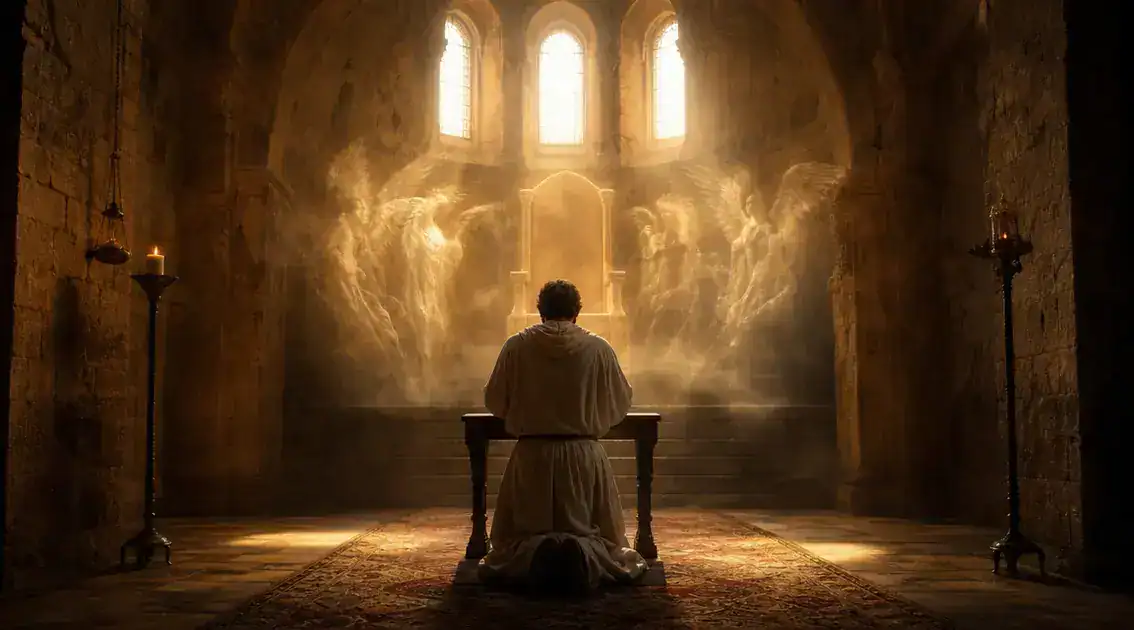
In quiet prayer you can learn to sense the Thrones as a gentle holding of the heart. Begin with a short pause—breathe slowly, name God’s presence, and picture a calm, steady light that holds you without hurry. This simple image helps move prayer from ideas into felt trust, so that worship becomes a space of listening rather than a list of tasks.
Try small practices that bring that listening into daily life: a brief silence before decisions, a short prayer of surrender at work, or a single psalm at the start of the day. These acts echo the Thrones’ way of service— quiet, attentive, and faithful—and they teach patience. Over time, steady habits shape a heart that chooses justice and mercy in ordinary moments.
When a community takes up these practices, worship and action grow together. The Thrones remind us that devotion is not only private feeling but also steady work in love. Letting their example form you means returning again and again to calm attention, so your daily choices flow from presence, rest, and a gentle trust in God’s ordering hand.
A prayer to carry the Thrones into daily life
Have you felt the hush that follows a deep breath? Imagine the Thrones as that calm, a steady ring of light that holds God’s presence so we can rest and act with care. This is not distant power but a gentle keeping that touches ordinary moments.
May their quiet witness teach your heart justice, presence, and a holy rest. Let that teaching shape your choices: to speak kindly, to wait patiently, to stand for what is right without show.
Try a small practice to keep this company: a brief silence at dawn, a short psalm before work, or a slow breath when the day rushes. These little acts build a steady life of attention and love, like the Thrones’ own service.
May you walk with calm courage and wonder. May the hush of heaven go with you, holding your steps and guiding your hands in mercy. Amen.
FAQ – Questions about the Thrones and their place in Scripture and devotion
Who are the Thrones and what is their primary role?
The Thrones are a heavenly order named in Scripture and described in tradition as bearers of God’s presence and steady authority. Scripture (Colossians 1:16; Revelation 4) links them to worship near God, while writers like Pseudo-Dionysius and Aquinas picture them as contemplative guardians who hold divine order and justice without seeking attention.
Are the Thrones actually mentioned in the Bible?
Yes. Paul lists ‘thrones’ among the ranks of heaven in Colossians 1:16, and visions in Revelation and Daniel use throne imagery to show God’s rule and the surrounding heavenly beings (see Revelation 4; Daniel 7:9-10). These short biblical notes shape a larger devotional and theological picture in later tradition.
How do the Thrones differ from archangels or guardian angels?
The Thrones are often described as a collective order focused on presence and the steady holding of God’s justice, whereas archangels (like Michael) have named missions and guardian angels care for individuals. Think of Thrones as the silent, ordered circle around God’s throne, supporting cosmic harmony rather than carrying out single, dramatic tasks.
Can an ordinary person encounter the Thrones in prayer or life?
Direct visions of Thrones are rare, but many believers report a sense of calm, steady presence in deep prayer that tradition associates with them. Mystics and liturgy teach that practices of silence and slow worship open us to their quiet witness; encounter more often feels like a deepened peace than a visible apparition.
How can I invite the Thrones’ influence into my prayer and daily choices?
Simple, steady practices help: brief pauses before decisions, a short psalm each morning, or moments of silent attention in worship. These habits echo the Thrones’ service, quiet, attentive, and faithful, and the patristic and monastic traditions recommend such regular practices to form a patient, just heart.
Do the Thrones have anything to say about justice and how I live in the world?
Yes. Theological tradition links the Thrones to God’s justice and the maintenance of order, offering a model of patient, balanced care. Scripture and medieval teachers suggest we imitate that steadiness by choosing fair, calm action in small daily choices, thus letting devotion shape justice in ordinary life.