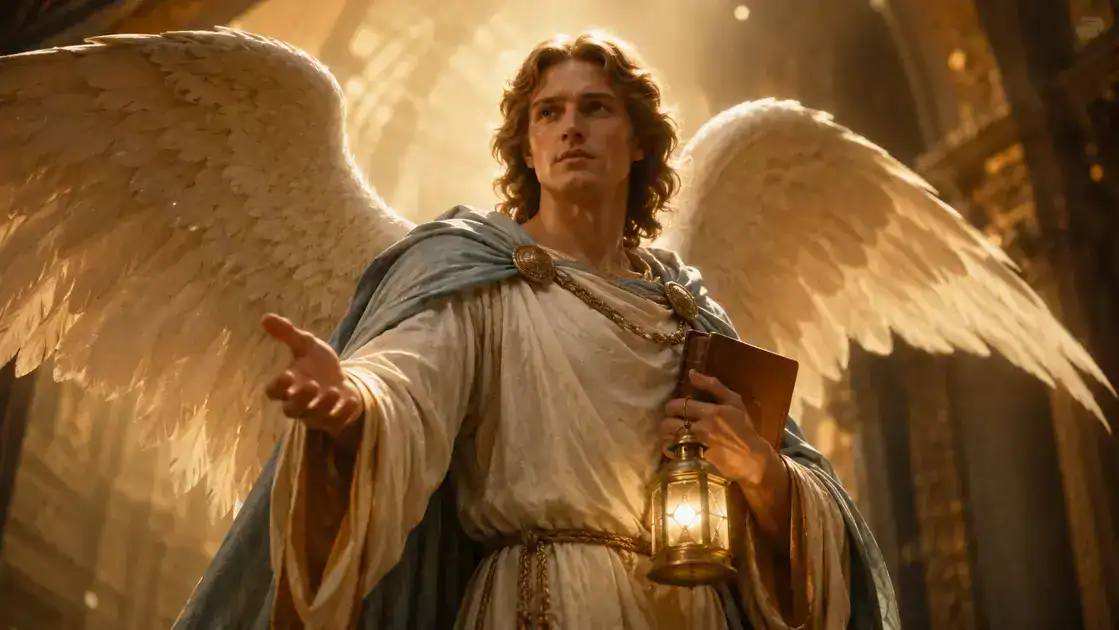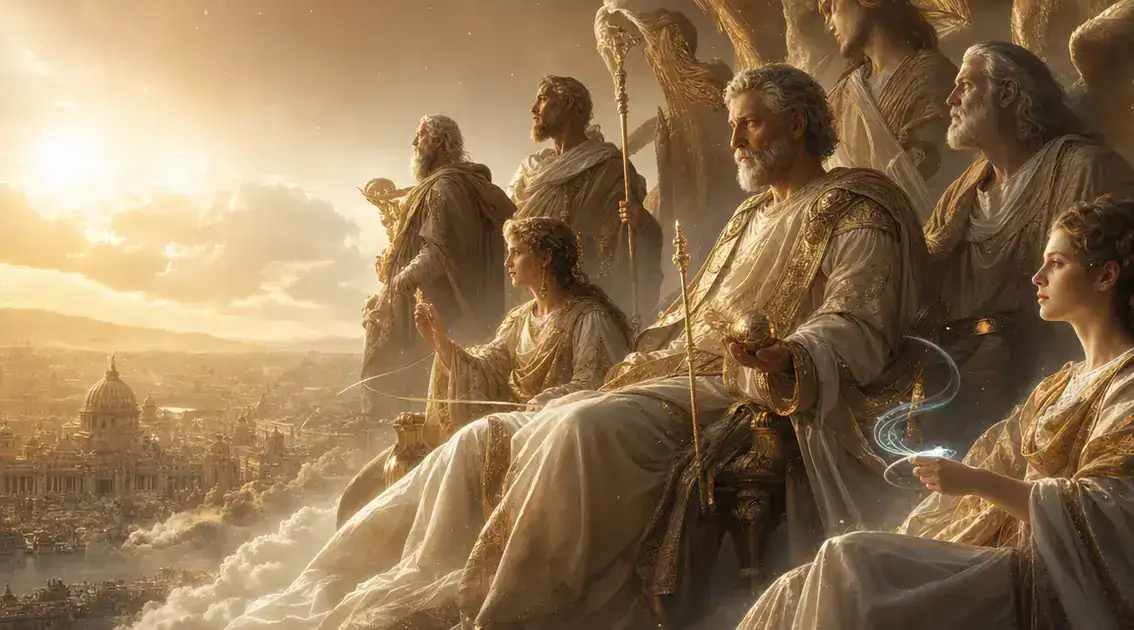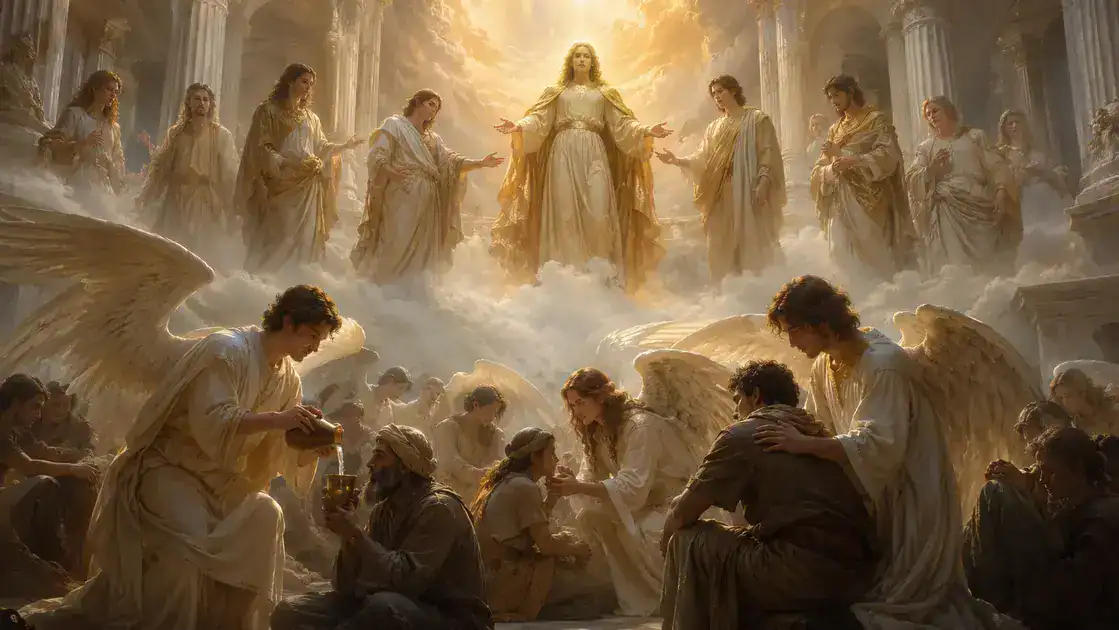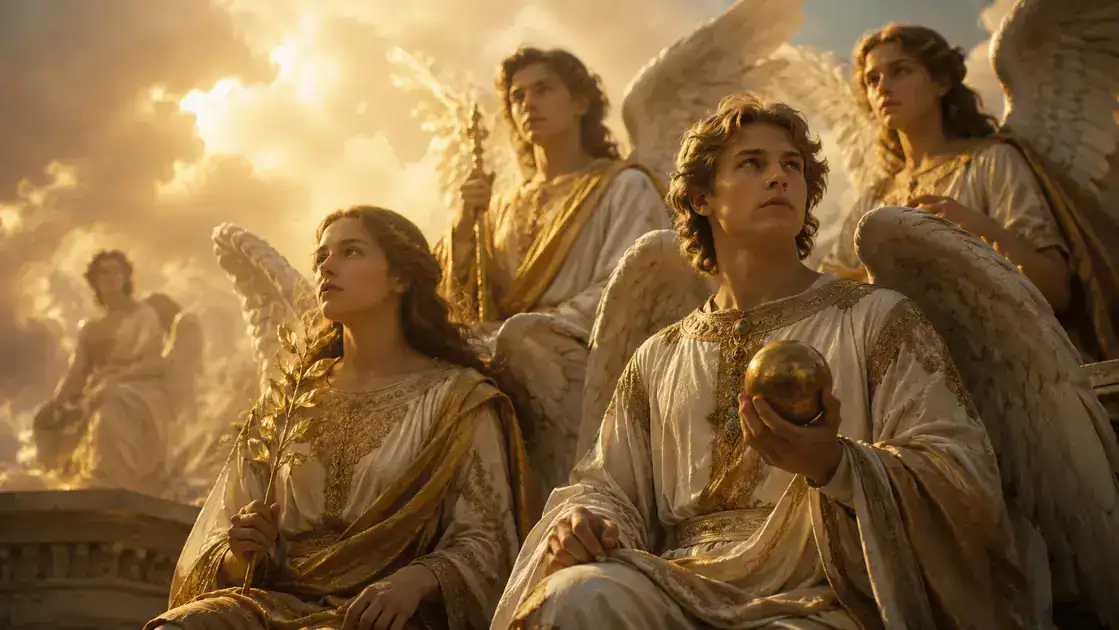

Dominions are a choir of angels in Scripture and Christian tradition who serve as gentle governors of divine order, assisting Christ’s sovereign rule by directing other angelic beings and aligning creation toward its good, working quietly to harmonize spiritual authority and guide providential care without seeking praise.
what are dominions angels; Have you ever noticed the hush before dawn and felt a presence arranging the world? Scripture and tradition speak of dominions as gentle governors of the angelic realm, inviting us to recognize divine order in the smallest moments.
Who are the dominions in biblical tradition?
The word “Dominions” names a choir of angels in Christian tradition. Scripture does not lay out an exact chart of ranks, but it does speak of rulers and authorities that point to an ordered heavenly service. Colossians 1:16 and Ephesians 1:21 speak of rulers, authorities, powers, and dominions, and those phrases invite us to imagine layers of being that carry out God’s will without drawing attention to themselves.
Early Christian teachers, most notably Pseudo-Dionysius, placed the dominions among the higher choirs of angels as those who govern the work of other angels and help to bring divine order into the world. They are not pictured as harsh commanders but as gentle governors who align purpose and action, keeping the movement of creation steady and attentive to God. This theological portrait helps us see the heavens not as chaotic power but as a community ordered toward holy ends.
Meeting the idea of dominions can change how we pray and live. When we remember that there are spiritual orders caring for the shape of things, we are invited into a calmer trust—an acceptance that small daily acts participate in a larger design. This awareness turns routine moments into chances to cooperate with a sacred ordering, asking for guidance and learning to notice God’s quiet governance around us.
Dominions in scripture: key passages and interpretations
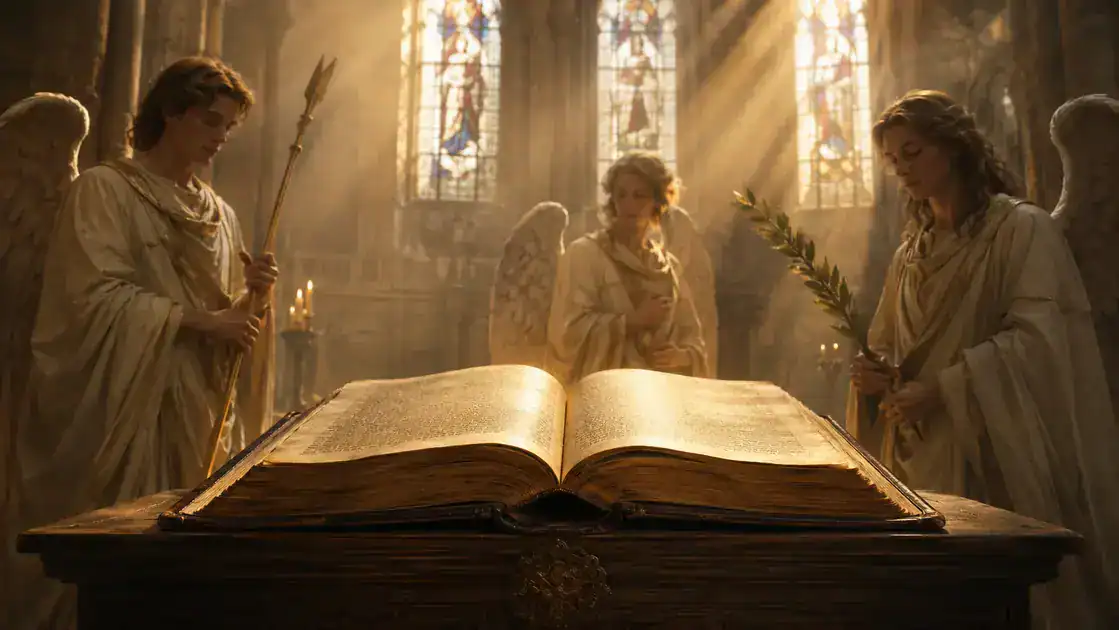
In Scripture the dominions appear as part of short lists that point to an ordered spiritual world. Colossians 1:16 mentions thrones, dominions, rulers, and authorities among created powers, and Ephesians 1:21 shows these forces placed under Christ’s reign. These phrases are brief, but they invite us to see a cosmos where roles exist to carry out God’s will rather than compete for attention.
For centuries readers have approached these texts as windows into heavenly life rather than as a rigid diagram. Early Christian writers like Pseudo-Dionysius imagined dominions as gentle governors who help guide other angels, while some interpreters speak of them as names for spiritual forces at work in the world. Pseudo-Dionysius’s picture of dominions as governors gives a helpful image: a realm of service that orders and harmonizes, not a hierarchy of vanity.
These scriptural glimpses shape how we live and pray. Remembering dominions can bring calm trust, reminding us that unseen care supports the shape of our days. When we make small choices with honesty and ask for wisdom, we join a larger movement where Christ’s authority brings creation toward its good, and ordinary acts become ways to cooperate with this sacred ordering.
Theological meaning: dominions as governors of order
The idea of dominions helps us see heaven as ordered service. Dominions are gentle governors of order, not proud commanders; they guide other angels so that every part of creation moves toward God’s purpose in calm, steady ways.
They live under Christ’s care and mirror his loving rule, bringing harmony where things might drift. Think of them as keepers of balance who tune the whole toward goodness, working quietly so the world keeps its true shape.
This truth changes how we pray and act. Remembering dominions invites humility and trust, and it calls us to small faithful choices that join the larger ordering of life. In this way, our daily kindness becomes a note in the chorus that honors God, and we learn to rely on the steady care at work behind the scenes.
Dominions and human life: how they guide and inspire
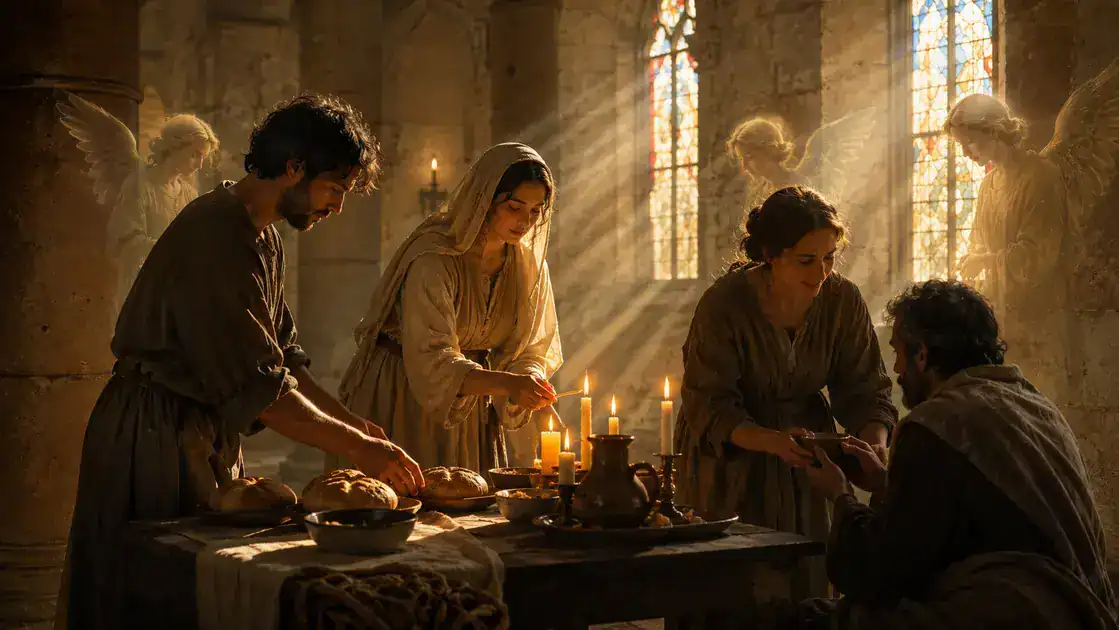
Many who walk a spiritual path find dominions most present in quiet ordering rather than in spectacle. They appear as a steady sense that choices and relationships can be set right, tuning daily life toward peace and purpose. These angels are understood as organizers of grace, guiding the movement of love in families, churches, and daily work.
Scripture gives brief hints that help us practice this reality: Colossians 1:16 and Ephesians 1:21 place such powers within Christ’s rule, reminding us that heavenly order is meant to draw creation toward its true good. When we pray for wisdom, accept small duties, or seek reconciliation, we join a larger pattern that dominions help preserve. This cooperation is not mystical showmanship but steady attention to what keeps life whole.
There are simple, faithful ways to live with that awareness. Quiet worship, acts of service, and unhurried hospitality make room for ordered grace to work; artists and saints often name inspiration as a kind of gentle prompting that aligns heart and hands. Noticing these promptings and responding with humble faith lets everyday actions become part of a woven care that honors God and the sacred web of human life.
Voices from tradition: theologians and saints on dominions
The Christian tradition speaks about dominions not only in books but in prayerful reflection. Writers like Pseudo-Dionysius described a layered sky of service where dominions guide other angels with calm purpose. His images are poetic and meant to lead the heart into wonder rather than supply a strict chart.
Later theologians built on that wonder with careful thought. Figures such as Augustine and Thomas Aquinas found ways to hold both mystery and reason together, treating dominions as real helpers under Christ’s rule who order creation without seeking praise. This balance shows a humble theology: angels matter because they serve God’s will, not to attract attention to themselves.
Many saints write about how this tradition touches everyday faith. Mystics and pastors speak of subtle promptings, timely peace, and renewed courage as the kind of care dominions can help bring. The voices of tradition invite us to attend with reverence, noticing how small acts of faith fall into a greater pattern of grace and ordering that sustains our common life.
A gentle closing prayer
Lord, thank you for the quiet care that orders the world. We remember the dominions not as distant powers but as gentle stewards of your will, arranging grace in small ways we often miss. Help us to see the good that holds our days together.
May our ordinary acts—small kindnesses, honest work, and patient listening—become openings for that holy ordering. When we feel lost or hurried, let us pause and trust that unseen help guides the shape of our lives.
Give us humble hearts that notice promptings of peace and respond with faith. Teach us to offer each day as a quiet prayer, trusting that every faithful choice joins a larger harmony.
Walk with us, steady our steps, and keep us gentle. May wonder and peace go with us now and always. Amen.
FAQ – Common questions about dominions and the angelic order
What does the term “dominions” mean in the Bible?
The Bible names dominions among created spiritual powers in short lists, notably Colossians 1:16 and Ephesians 1:21. These passages present them as part of an ordered heavenly reality rather than giving a long profile. The scriptural witness shows that God has arranged ranks of spiritual beings who serve Christ’s rule and the good of creation.
How are dominions different from archangels or guardian angels?
Archangels (for example, Michael and Gabriel) appear by name in Scripture and carry specific missions; guardian angels are described as personal companions (see Matthew 18:10). By contrast, tradition—especially Pseudo‑Dionysius—portrays dominions as governors who help coordinate and guide other angels, keeping the heavenly ordering steady and purposeful rather than acting as individual protectors or heralds.
Are dominions given personal names in Scripture or tradition?
Scripture does not give personal names for dominions; it uses titles that describe role and function. Later tradition focuses on their office and task rather than naming individuals. This reminds us that the Christian emphasis is on their service to God’s will, not on curiosity about angelic identities.
Is it appropriate to pray to or ask dominions for help?
Christian practice directs prayer to God alone. At the same time, the Church has long encouraged asking angels to intercede or to pray for protection, while avoiding worship of created beings. A humble way to engage this care is to pray to God for the guidance and ordering the dominions enact, or to ask God to send angelic assistance according to his will.
How have theologians and saints described the role of dominions?
Writers from Pseudo‑Dionysius to Thomas Aquinas treat dominions as real servants of divine order. Pseudo‑Dionysius gives poetic, devotional portraits of the angelic hierarchy; Aquinas considers these orders in theological terms while emphasizing their subordination to God. Saints and mystics often speak more simply of promptings, peace, or timely help as signs of angelic ordering rather than as dramatic visions.
How can I live in a way that cooperates with the dominions’ ordering of life?
Tradition invites simple, faithful practices: prayer for wisdom, humble service, acts of reconciliation, and attention to promptings of peace. Scriptures that place all powers under Christ (Colossians 1:16; Ephesians 1:21) remind us that small choices matter. By offering daily duties to God and seeking to bring harmony rather than division, we participate in the same ordering that dominions help preserve.