

Dominions spiritual leadership model describes Christian authority as a God-given trust in which leaders steward people and places through prayerful discernment, servant humility, and practices of mercy, justice, and wisdom, so that power serves restoration under Christ’s lordship rather than self-exaltation.
dominions spiritual leadership model: have you ever wondered how the Bible’s images of heavenly rule can reshape the way Christians lead? This short exploration draws Scripture, prayer, and practical insight together to help leaders serve with humility and sacred purpose.
Biblical roots of dominions in Scripture
From the opening pages of Scripture we meet the idea of dominion as a call to care. In Genesis God gives humanity a role over land and life, not to exploit but to steward what is entrusted to them. This first moment shows dominion as a responsibility rooted in being made in God’s image, a gentle charge to reflect divine care in the world.
The rest of the Bible shapes that call with images of kingship, temple service, and heavenly rule. Psalms and the prophets remind us that human authority must answer to God’s justice and mercy. In the New Testament, the picture widens: Christ is shown as the one who holds every power in love, and believers are invited to serve beneath his lordship. These texts together teach that dominion is stewardship under God’s authority, not freedom for self-interest.
For Christians who lead, this biblical root reframes authority as humble service. To lead is to protect, nurture, and guide those in our care with prayer, wisdom, and compassion. When leaders remember that their power is a trust from God, their choices grow quieter, kinder, and more faithful to the sacred story that began in Genesis.

Theological reflection shows that dominions are never private power but a trust from God. Scripture presents authority as a chain that begins with the Creator and moves outward to those who serve the common good. To hold dominion is to carry responsibility for people and place, not to dominate them; it is delegated authority meant to reflect God’s care and order.
This truth shapes how we understand leadership in the church and world. Authority is measured by love, justice, and service rather than rank or applause. Jesus models this by laying down his life and teaching leaders to become servants. When Christians exercise authority well, they practice servant leadership that protects the weak, seeks truth, and bears moral weight with humility.
Such a theology invites concrete habits of the heart and community. Leaders are called to prayerful listening, regular accountability, and quick repentance when power is misused. They must learn to balance firmness with mercy and to steward resources for the vulnerable. In the end, dominions point forward to God’s final ordering of all things, and every faithful act of leadership participates in that hopeful, healing story.
Dominions and servant leadership: the paradox of power
To hold dominion often brings to mind power, but the Bible reframes that power as service. Instead of using authority to elevate oneself, Scripture invites leaders to bend low and serve. Jesus taught this by word and example, showing that true strength is found in humility and care, making servant leadership the heart of dominion.
This paradox changes how decisions are made and how people are treated. A leader shaped by dominions listens more than issues commands, protects more than exploits, and gives credit away rather than hoarding it. When power is used to build others up, communities grow safer and hope takes root in ordinary places.
Such leadership is practical and simple in daily life: offering time to the hurting, admitting mistakes, creating space for others to lead, and praying before acting. These small habits train the heart away from pride and toward faithful service. Over time, the paradox of power—greatness through humility—becomes the steady way a faithful community moves forward.
Prayer, discernment, and spiritual formation for leaders
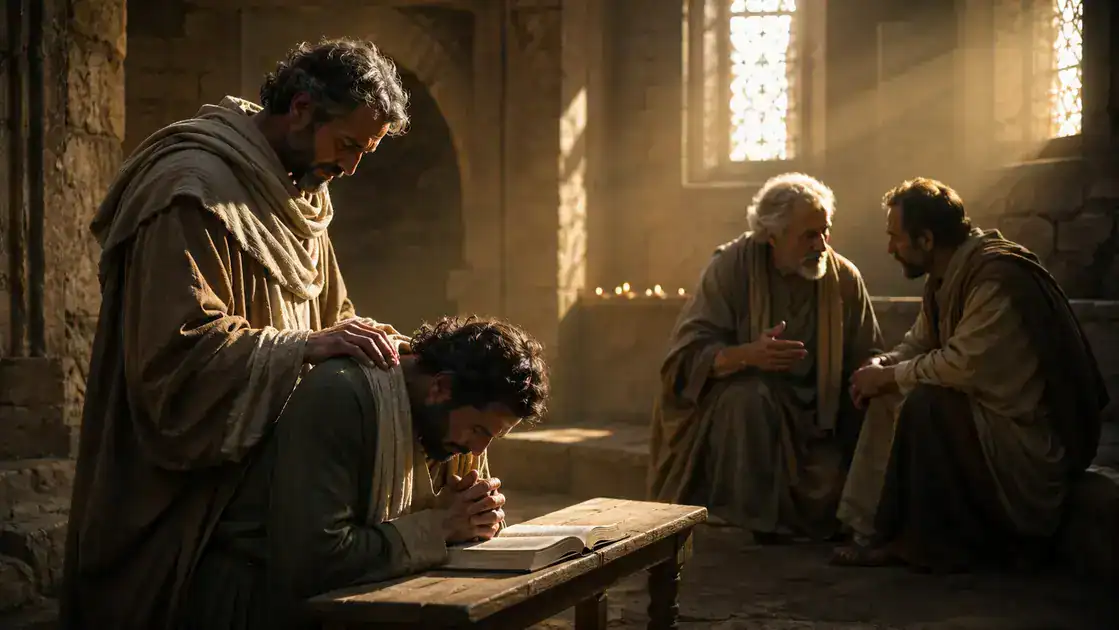
Leaders must begin in prayer because it reorders the heart before any plan is made. In quiet prayer, a leader learns to listen rather than react and to place questions before God. Jesus slipping away to pray models how leadership rooted in prayer stays tethered to God’s wisdom and steadiness.
From prayer springs discernment, a practice of attending to small truths and testing choices slowly. Discernment grows by reading Scripture with care, seeking counsel from trusted companions, and pausing in silence to weigh options. These simple habits help a leader hear the gentle nudges of conscience and the Spirit guiding practical steps.
Spiritual formation ties these practices into an everyday pattern that shapes character over time. Daily prayer, Sabbath rest, confession, mentoring, and steady study form the soul more than any program or strategy. When leaders embrace these routines, they grow steady not by force but by faithful formation; true authority is learned in the regular, humble acts of the heart.
Practical practices: leading with mercy, justice, and wisdom
A leader who practices mercy moves toward need with hands that heal and ears that listen. In small acts—offering food, sitting with a grieving neighbor, forgiving an offense—mercy becomes visible. These gestures teach a community what merciful leadership looks like: close, gentle, and steady.
Mercy finds its true shape when held with justice. Leaders must also set fair boundaries, protect the weak, and correct harm when it occurs. Simple habits—listening to those least heard, creating clear rules, and restoring what was lost—show how justice and mercy work together in real life.
Wisdom knits these practices into a faithful way of leading. It helps a leader know when to speak, when to stay silent, and when to act with courage. Prayer, humble counsel, and regular reflection help leaders grow this kind of judgment; wisdom turns daily choices into lasting care for the whole community.
Facing temptation and spiritual warfare with a heavenly perspective
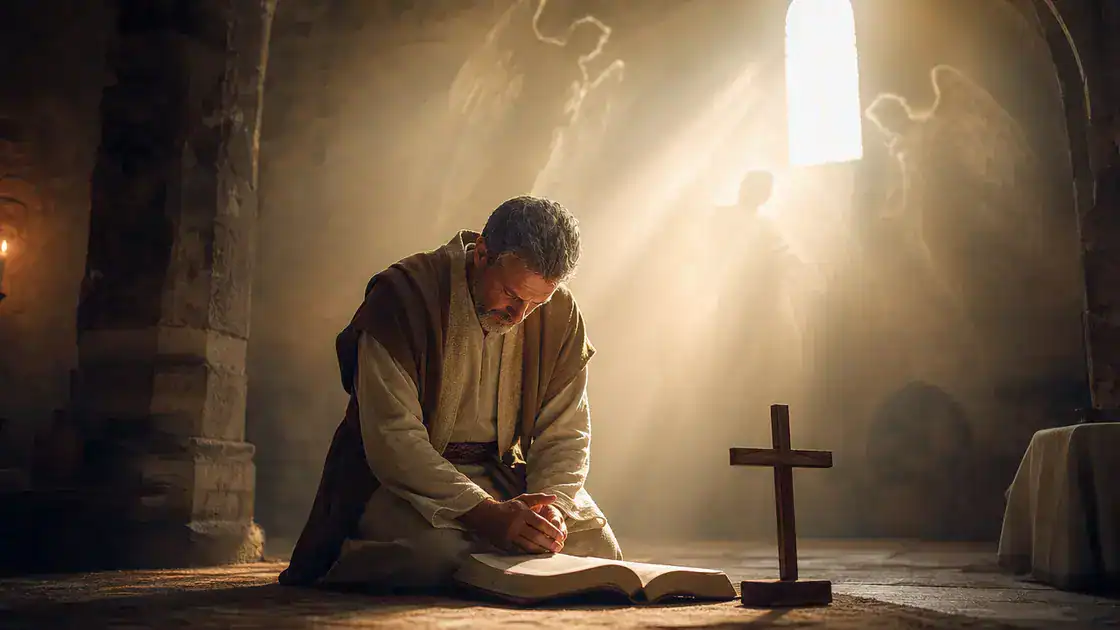
Temptation often comes gently, like a familiar whisper that asks for a quick shortcut or a softer truth. Seeing it through a heavenly perspective helps a leader name the lure and step back. When you look upward first, the small, urgent pull of pride or fear loses its loudness and you can choose what honors God and cares for others.
Spiritual warfare is less a dramatic clash and more a daily pattern of choosing faithfulness over convenience. The Bible gives simple habits to steady us: prayer that re-centers the heart, Scripture that shapes our judgment, and trusted companions who speak truth in love. These practices act like a steady lamp, helping leaders notice subtle temptations before they grow into harm.
For those who hold dominion, the work is to resist using power for self and to protect the vulnerable instead. That call grows concrete in small practices—pausing to pray before a hard decision, confessing quickly when one stumbles, and choosing mercy when justice demands action. Such rhythms keep authority humble and rooted in the heavenly aim of healing and restoration, so leaders stand firm without hardening their hearts.
A gentle prayer for those who lead with dominion
Lord, grant leaders the grace to hold their authority as a trust, not a prize. Help them serve with humble hearts and steady hands, remembering that dominion is stewardship entrusted by you.
May they lead in mercy and truth, protect the weak, and seek justice with compassion. Let prayer shape their choices and Scripture guide their steps, so power becomes care and not control.
When temptation or fear draw near, give them courage to pause and seek wise counsel. Teach them to confess quickly, forgive freely, and choose the good of the community over self-glory.
May the promise of God’s kingdom steady every step and turn small faithful acts into deep healing. Go in peace, renewed to lead as one who serves beneath the loving rule of Christ. Amen.
FAQ – Dominions as a Model of Spiritual Leadership
What does “dominions” mean in the Bible and how does it relate to leadership?
In Scripture “dominion” begins in Genesis 1:26–28 as a call to care for creation as God’s image-bearers. It means responsible stewardship, not domination. For Christian leadership, dominion points to guiding people and places with service, justice, and faithful care under God’s authority.
How does dominion connect with servant leadership taught by Jesus?
Jesus redefined authority by washing his disciples’ feet and saying the greatest must be a servant (John 13; Mark 10:42–45). Dominion, rightly understood, is exercised by laying down rights for the good of others, showing that true power is revealed in humble service.
What daily practices help a leader live out dominions faithfully?
Simple, steady habits shape faithful dominion: regular prayer and Scripture (Psalm 119; Luke 5:16), seeking wise counsel (Proverbs 11:14), Sabbath rest, confession (James 5:16), and acts of mercy and justice (Micah 6:8). These practices form character more than position does.
How can a leader discern God’s will when choices are hard?
Discernment grows by combining prayerful silence, Scripture, and trusted community. Ask for wisdom (James 1:5), weigh choices with biblical principles, and test decisions with close advisors. Discernment is a patient habit of listening to God and neighbors before acting.
Safeguards include accountability structures, transparent decision-making, and regular humility practices like confession and evaluation (Proverbs 15:22; Galatians 6:1–2). Leaders should welcome correction and build teams that can speak truth in love to prevent isolation and pride.
How does this model help leaders face temptation and spiritual struggle?
Seeing authority as a trust reframes temptation as a call to fidelity, not a chance to grasp more. Spiritual habits—prayer, Scripture, community, and confession—steady the heart (Ephesians 6:10–18; Matthew 26:41). Leaders who root their role in God’s kingdom resist shortcuts and protect the vulnerable.