
Why did Satan fall from heaven is answered in Scripture and tradition as a portrait of a created being whose pride and desire for supremacy turned love into self-exaltation, leading to separation from God and a cosmic overturning, taught through poetic images (Isaiah, Ezekiel, Luke, Revelation) that call the faithful to humility and repentance.
why did satan fall from heaven? Have you ever paused before that ancient question—the image of a brilliant being turning away from light—and felt its weight. Come with me as we trace the scriptural echoes and devotional lessons that still invite reflection.
Biblical traces: passages that shaped the story
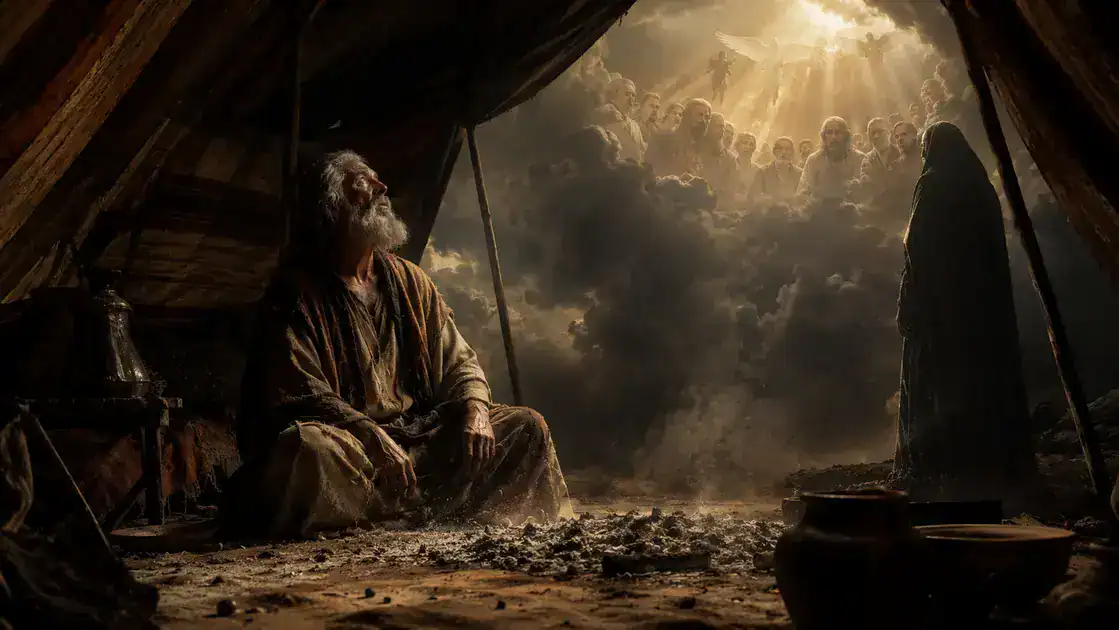
The story of the fall grows from several vivid passages in Scripture that readers have long held together as a single picture. Isaiah 14 and Ezekiel 28 offer mournful, poetic images of a proud being brought low, written as laments over earthly rulers yet echoed by later readers as cosmic truth. These texts use rich metaphor—bright morning star, a cherub in Eden—to speak about pride and loss, not to deliver a simple biography.
As you read these passages, notice how the language shifts from human court to heavenly palace. Isaiah’s and Ezekiel’s words are poetic mirrors that reflect both a king and a deeper spiritual reality. That dual voice keeps the story reverent and mysterious: Scripture allows the human and the divine to cast light on one another without spelling out every detail.
New Testament lines then bring the image into the community of faith. Jesus’ brief remark, “I saw Satan fall like lightning,” and Revelation’s vision of a heavenly conflict weave the older images into an overarching theme of spiritual struggle and hope. Together, these passages invite humble listening: the fall is portrayed as a profound turning away, a lesson about the danger of pride and the tender work of restoration that follows.
Theology of pride: how rebellion rises in heaven
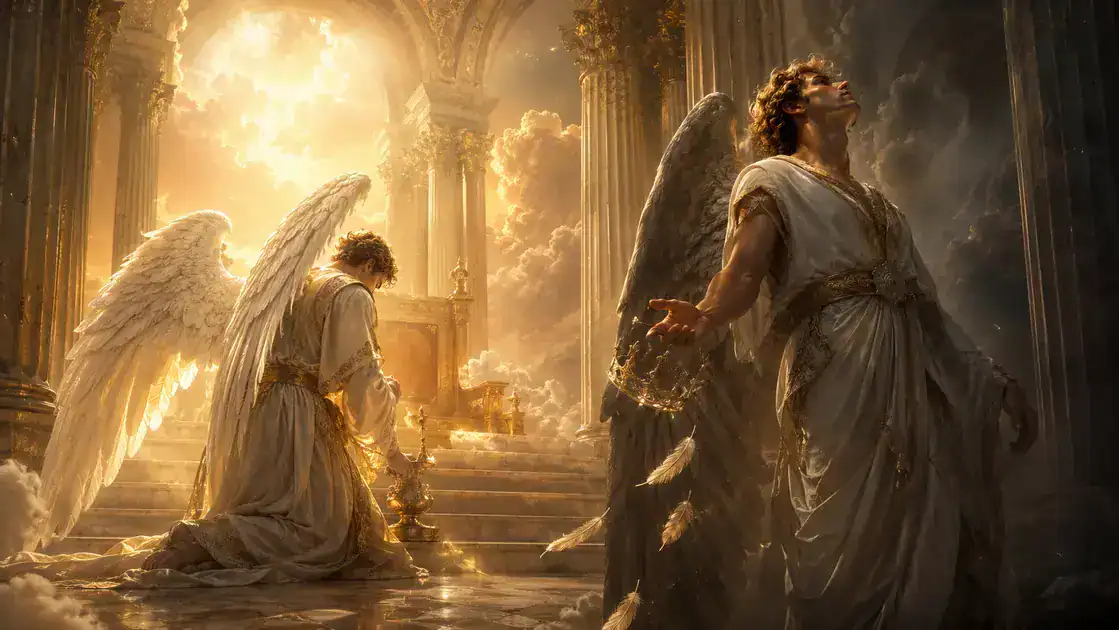
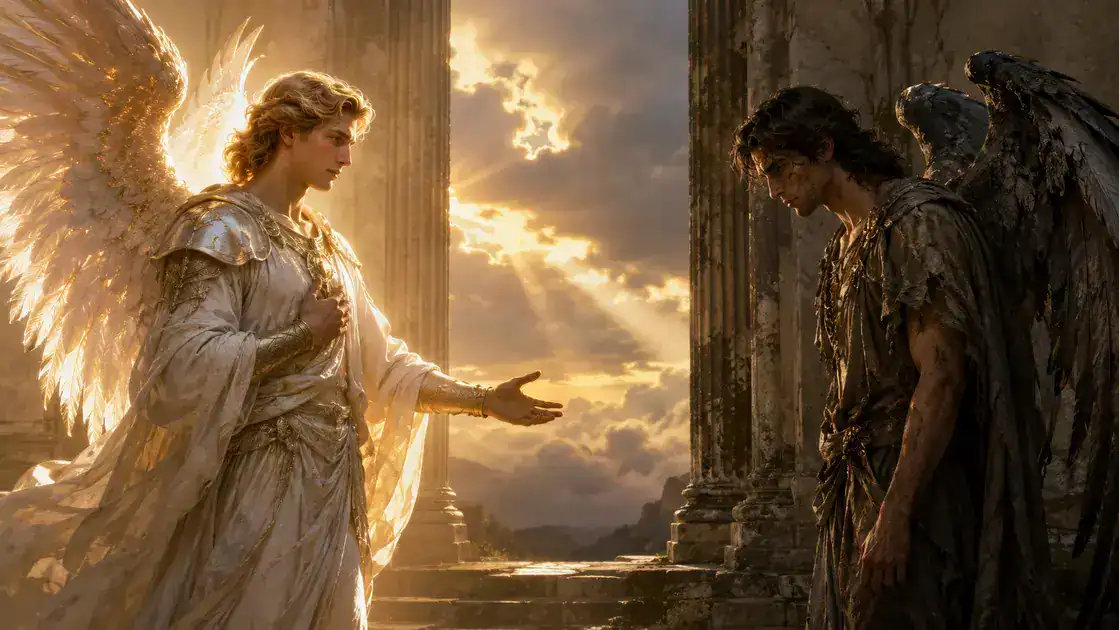
Pride in heaven is often pictured not as a sudden crime but as a quiet turning: a beloved being begins to desire a greater place for itself. In the light of divine beauty, that desire can become a distortion—gifts meant to reflect God’s glory are claimed as one’s own, and admiration slips into a hunger to be above rather than beside the Source of all good. This small shift grows because freedom was given; the very capacity to choose permits love, and sadly, also allows rebellion.
Scripture speaks of heights and stars to show how easily longing for honor can become a fall. When exaltation replaces service, the heart begins to measure itself against the Creator instead of resting in the Creator’s care. Theological reflection sees this as a misuse of freedom: what began as praise becomes comparison, and comparison breeds jealousy, isolation, and ultimately a refusal to live under God’s ordering of love.
For the soul seeking truth, this teaches a gentle vigilance: pride often hides in admiration, in the wish to be seen, or in clinging to special gifts. Practically, the way back is small and steady—prayer that returns praise to God, practices of gratitude that reorder the heart, and honest confession that names the desire to be greater than we are. In this way, the story of rebellion becomes a call to deep humility and renewed dependence on the source of all light.
Archangel Michael and the celestial conflict
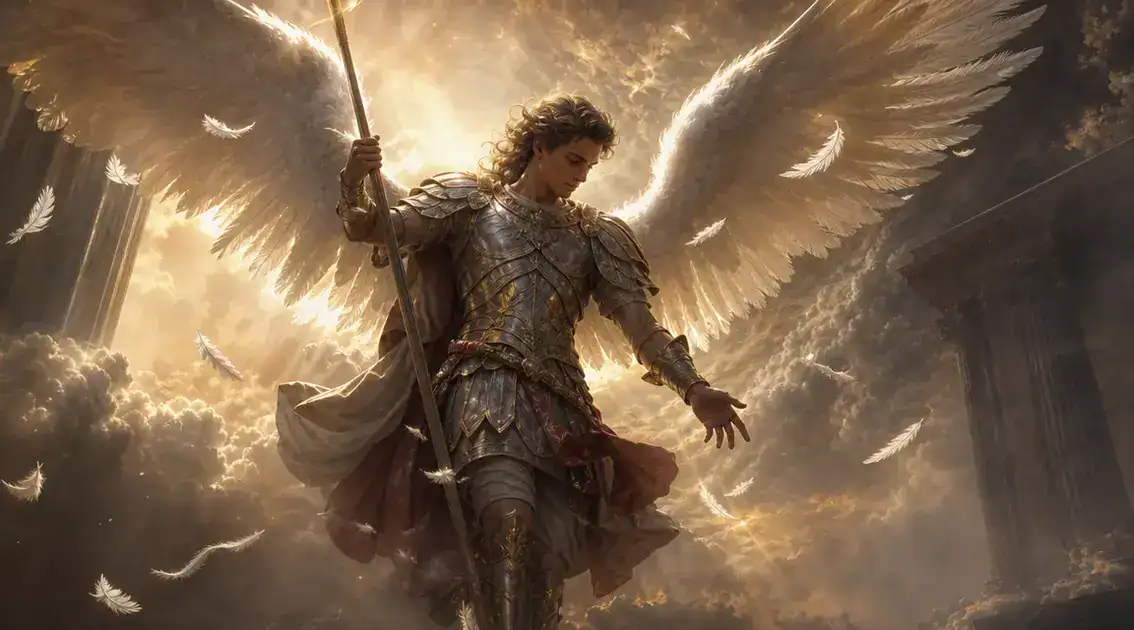
In Scripture, Archangel Michael appears as a clear and steady presence: a leader among angels and a protector of God’s people. Revelation gives a stark image of Michael confronting a great dragon, while Jude remembers him standing firm in a quiet dispute over Moses. Those short scenes shape a portrait of authority rooted in faithful service.
The celestial conflict itself reads like a decisive turning point rather than endless battle. Michael’s role as commander shows divine order holding back chaos, light meeting shadow, and truth preserving what is good. The vision comforts because it reveals that God’s care has a shape and a guardian, not because it celebrates force for its own sake.
For devotion, these words invite trust and humble courage. When fear or pride rises within us, we can recall Michael’s example and choose service over self, standing with steady hands in small acts of love. This is a call to rely on God’s protection while living the gentle bravery that keeps community and soul aligned with what is true.
Interpreting Isaiah and Ezekiel: images, not a simple biography
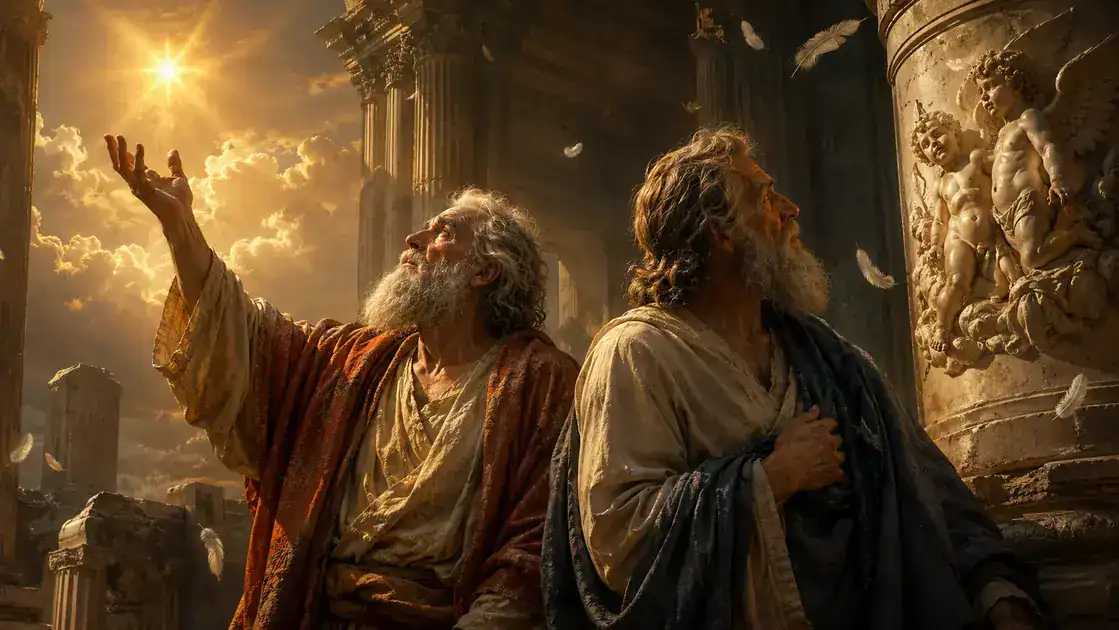
Isaiah and Ezekiel speak in images that are meant to move the heart more than to record a step-by-step life story. Their words are shaped as laments and visions, using bright, striking metaphors—morning star, cherub in Eden, and a city of marble—to name how pride and loss look in the language of worship. When you read these chapters aloud or slowly, you feel the tone of a prayer or a mournful song rather than a forensic report.
These prophetic scenes are layered and symbolic. They point to spiritual truths through artistic language, inviting the listener to hold both the human ruler and a deeper cosmic reality in view. That means we should read the images as theology in motion: they teach about the misuse of honor, the consequences of turning away from love, and the fragile beauty of a created being who forgets its place in relation to the Source of life.
For devotion, this way of reading asks us to listen slowly and humbly. Instead of forcing a literal timeline, let the pictures shape your prayer: name where you have sought your own praise, offer honest sorrow, and ask for the grace to return to service. In this gentle practice, the prophetic images become guides for repentance and hope rather than puzzles to be proved.
Spiritual meaning: what the fall teaches us today
The fall teaches us how pride shows up in small ways each day. It can be a quiet wish to be noticed, a sharp word said too fast, or the refusal to ask for help. These small moves pull the heart away from love and toward isolation.
Once we name that pattern, we can turn toward repentance and humble service. Simple practices like short prayers, asking forgiveness, and small acts of kindness help undo the habit of self-exaltation. These steps do not fix everything at once, but they reorient the soul toward God and neighbor.
Holding the story of the fall also opens us to hope. God’s mercy meets the broken with steady care, inviting repair through community and quiet choices. When we choose humility day by day, ordinary moments become paths of healing and renewed trust.
A gentle prayer to carry
Lord, soften our hearts and keep us near the light. When pride whispers, remind us of the quiet grace that calls us back to service. Hold us in the truth that love is our true place.
Teach us the small ways of humility: a quick sorry, a listening ear, a hand offered without counting cost. May God’s mercy meet our mistakes and shape them into paths of healing.
Grant us courage to choose gentle acts each day and the peace to walk them steadily. Let ordinary moments become practices of wonder, and may our lives reflect the care we have received.
Go with us now in hope and in quiet trust, so that we may live with humble hearts and open hands, ready to love.
FAQ – Questions seekers ask about the fall and its meaning
Why did Satan fall from heaven according to the Bible?
Scripture frames the fall in symbolic language that points to a heart turned from God. Passages traditionally read together include Isaiah 14:12–15 and Ezekiel 28:12–17 (poetic laments that speak of pride and being cast down), Jesus’ comment in Luke 10:18 (“I saw Satan fall like lightning”), and Revelation 12:7–9 (a vision of a heavenly contest). The common theological reading is that pride and the desire for supremacy—a misuse of freedom given to created beings—led to that tragic turning.
Are Isaiah 14 and Ezekiel 28 really literal biographies of Satan?
No; these chapters are poetic laments addressed to earthly rulers that also use heavenly imagery. Christian tradition reads them typologically: they describe both human pride and a deeper spiritual reality. In other words, the texts teach theological truths about pride, loss, and separation from God through rich metaphor rather than offering a forensic, step‑by‑step biography.
What does Jesus mean when he says, “I saw Satan fall like lightning”?
Jesus’ remark in Luke 10:18 comes in the context of the seventy‑two returning from mission, where evil powers are seen to fail before the advance of God’s kingdom. It signals that the coming of God’s reign weakens demonic influence and that, in Christ’s ministry, the power of evil is being decisively disarmed. The line comforts the faithful by showing that God’s presence brings real spiritual victory, even as the struggle continues.
What role does Archangel Michael play in the celestial conflict?
Revelation 12:7 presents Michael as the leader of heavenly forces who stands against the dragon, and Jude 9 preserves an older tradition of Michael acting with restraint and reverence. Michael’s role in Scripture and tradition is not one of revenge but of ordered protection—he embodies faithful service and the defense of God’s people and the divine ordering of creation.
What spiritual lessons should I take from the story of the fall?
The chief lesson is a sober reminder about how pride can grow quietly—through desire for honor, comparison, or refusing dependence on God. Scripture and tradition point us toward remedies: humility, repentance, regular prayer, and acts of service (see James 4:6; Philippians 2:3–4). These practices re‑shape the heart and keep us rooted in love rather than self‑exaltation.
How can I guard my heart against pride in daily life?
Simple, steady practices help. Begin with brief daily examen and honest confession, cultivate gratitude and small acts of service, and lean on Scripture and community for correction and encouragement (for example, Psalm 51 for repentance and 1 John 1:9 for restoration). These ordinary rhythms form humility over time and open the soul to God’s mercy and healing.