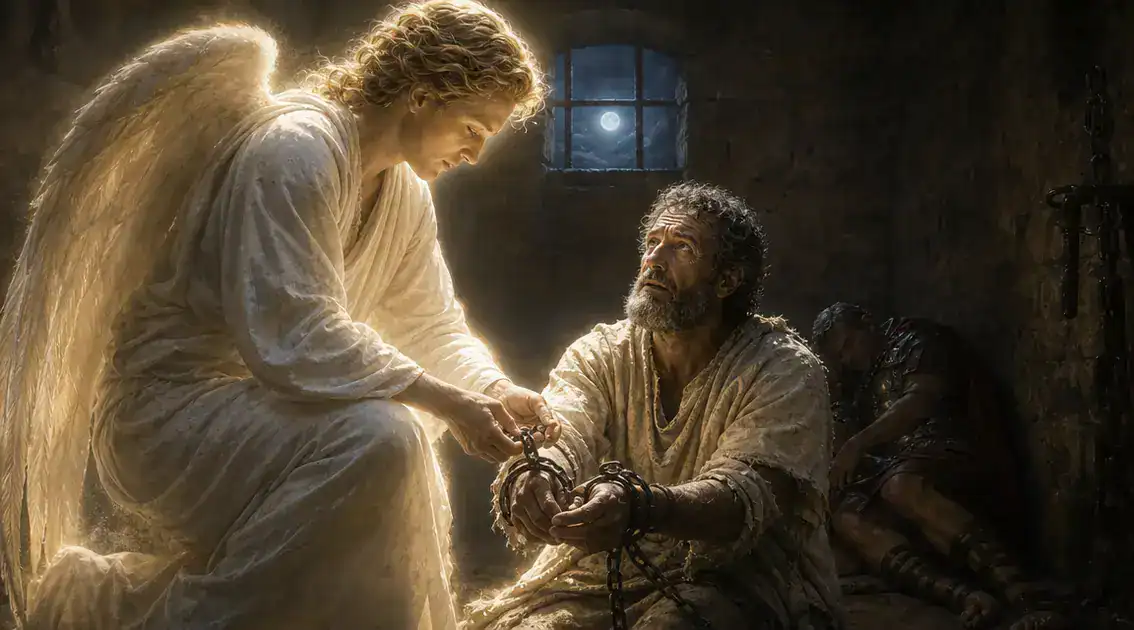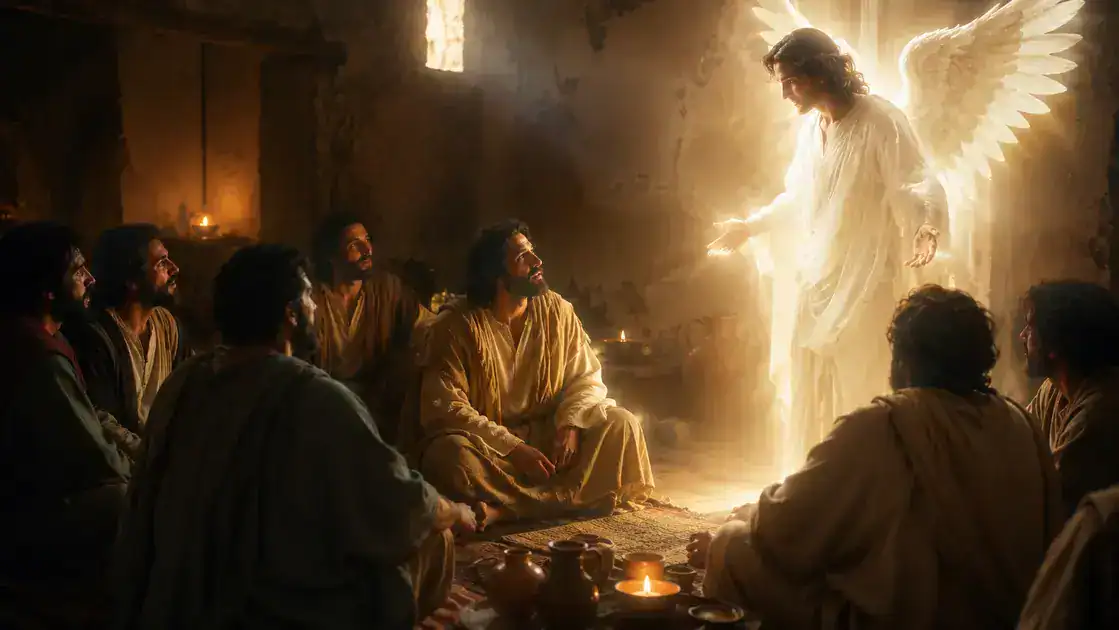

Angels in the Bible — a complete list includes a few named messengers (Michael, Gabriel, Abaddon/Apollyon), titles like the angel of the Lord, archangels, cherubim, seraphim, living creatures, and angelic hosts, each attested in Genesis, Exodus, Daniel, Isaiah, Luke, Revelation, and Psalms, serving message, worship, protection, and judgment.
angels in the bible complete list: have you ever noticed the hush that falls when a messenger of God appears? This guide names each angel with brief references and gentle devotional notes to help your reading and prayer.
Named angels and where to find them in Scripture
The Bible names only a handful of angels, and each name appears with careful purpose. Michael is portrayed as a protector and leader in times of spiritual struggle (Daniel 10–12; Jude 1:9; Revelation 12:7). These passages show God’s care moving through a named presence rather than human effort, and they invite us to notice how divine help often arrives with quiet authority.
Gabriel appears as a messenger who brings clarity at decisive moments (Daniel 8:16; 9:21; Luke 1:11–38). He meets people in prayer or in ordinary life and opens a new chapter through a word. Alongside these personal names, the title “angel of the Lord” appears across the Old Testament, sometimes speaking with God’s voice and presence (Genesis 16:7–13; Exodus 3; Judges 13), reminding us that God often comes to us through a named or unnamed emissary.
Scripture also shows figures tied to judgment and conflict. The adversary called Satan acts in the trials of Job and in apocalyptic scenes (Job 1–2; Revelation 12), while the name Abaddon or Apollyon appears in Revelation 9:11 as part of the end-time vision. Other texts, like Isaiah 14:12, use poetic language that later readers have connected with the idea of a fallen morning star, so careful reading matters. Let these names lead you back to the passages themselves, where prayerful attention reveals both comfort and sober instruction.
Archangels: Michael, Gabriel and their roles

Michael appears in Scripture as a strong, steady presence in times of spiritual conflict. In Daniel he is called a chief prince who stands for God’s people, and in Revelation he leads the heavenly host against darkness. Read this as a picture of faithful defense: Michael shows God’s care as both power and protection, not violence for its own sake but the clear will to guard what is holy.
Gabriel serves a different but complementary task: he brings messages that change the course of God’s work among us. He comes to Daniel with explanation and to Mary and Zechariah with news that opens a new chapter in salvation history (Luke 1; Daniel 8–9). In those encounters Gabriel’s voice is calm and clear, a sign that God often speaks through a gentle messenger to make the unseen plan known.
When we hold these two roles together—protector and messenger—we see a fuller picture of how God moves in the world. One reassures and defends; the other reveals and invites. Let this balance shape how you pray: ask for strength in difficulty, welcome guidance in uncertainty, and trust that named angels in Scripture point back to a single, loving God who both watches over and speaks to his people.
Cherubim, seraphim and other heavenly beings
Cherubim appear in Scripture as solemn guardians close to God’s presence, placed at Eden’s gate and pictured in prophetic visions. Their images in Genesis and Ezekiel mix wings, movement, and a sense of sacred duty, so we read them as a guardian presence that marks the boundary between ordinary life and holy ground. This reminds us that some spiritual realities serve to protect what is consecrated rather than to frighten the faithful.
Seraphim, by contrast, are shown around the divine throne singing ceaseless praise in Isaiah’s vision, crying “holy, holy, holy” with a purity that both awes and heals. Isaiah’s encounter also includes a moment of cleansing, when a coal touches his lips and he is made ready to speak for God. That scene teaches that heavenly worship is not distant ritual but an action that prepares and renews those called to serve.
Other heavenly beings and the living creatures
The Bible also presents a variety of other figures—living creatures in Ezekiel and Revelation, angelic hosts that fill the skies, and unnamed messengers who carry God’s work into history. These visions use striking images—a lion’s strength, an eagle’s watchfulness, a human intelligence—to point to different ways God’s presence is known. Taken together, these portrayals invite a devotional posture: to stand in wonder, to seek cleansing when we approach the holy, and to let the rich symbolism deepen our prayer and trust in God’s mysterious care.
How biblical contexts shape angelic appearances

In Scripture, setting shapes how an angel appears and how people respond. In everyday narrative scenes an angel often arrives quietly to interrupt a routine moment—think of Gabriel at Nazareth or the angel who meets Hagar by the spring. These encounters show the angel as messenger and presence, bringing news or comfort into ordinary life so that the sacred breaks into the familiar.
Prophetic and temple visions use a different language. When Isaiah stands before the throne or Ezekiel sees the living creatures, the description turns rich and symbolic—wings, wheels, burning coals, and a sense of holy distance. That symbolism is not meant to confuse but to direct our attention: it teaches that some appearances are about worship, cleansing, and the mystery of divine glory rather than a simple announcement.
Apocalyptic scenes shape angels yet again, casting them as cosmic agents who carry God’s purposes across history. In Revelation the angels act with authority—opening seals, sounding trumpets, or bearing messages that move the course of things. Read each scene on its own terms and you will see a pattern: context gives an angel its role, tone, and image, and those images invite a faithful response of awe, obedience, and prayer.
Practical devotion: listening for angelic guidance
When we seek angelic guidance, begin with simple stillness and Scripture. Sit quietly with a short passage about God’s messengers—Mary’s annunciation, a psalm, or a prophetic vision—and read it slowly so the words can breathe. Allow silence to follow the reading; prayerful listening often feels like a soft clearing of the heart where a gentle direction can be noticed.
Practice small, steady habits: read a verse, say a brief breath prayer, then pause and jot any gentle impressions. Test those impressions by returning to Scripture and asking whether they lead toward love, mercy, and truth. This is not a search for spectacle but a discipline of discernment that learns to recognize what is consistent with God’s character.
Invite a trusted friend, pastor, or spiritual director into the process and watch for quiet confirmations in daily life—a timely word, renewed courage, or a peaceful clarity about a choice. These small signs often follow steady prayer and service. Keep tending these practices and you may find that what once felt distant becomes a steady, caring horizon that guides you toward faithful choices.
A gentle closing prayer
May the hush of these biblical pages rest with you as you move through the day. Know that you are never alone, and that the same care speaking in Scripture still reaches into small moments of ordinary life.
Keep a few simple practices close: a short reading, a quiet breath prayer, and a patient listen. These steady habits help the heart notice gentle leadings and bring Scripture from the page into the path you walk each day.
Watch for small signs—a timely word, a calm in the chest, a new courage—and receive them as grace. Let these moments guide you toward love, mercy, and faithful choices, trusting that named and unnamed messengers point us back to God.
Go in peace, held by wonder and warmed by prayer. May this companionship shape your steps, and may you carry this sacred story into each new hour. Amen.
FAQ – Common questions about angels in Scripture and sacred practice
Which angels are actually named in the Bible?
The Bible names only a few: Michael (Daniel 10–12; Jude 1:9; Revelation 12:7), Gabriel (Daniel 8:16; 9:21; Luke 1:11–38), and Abaddon/Apollyon (Revelation 9:11). The Old Testament also frequently refers to the “angel of the Lord” (e.g., Genesis 16; Exodus 3). Each name appears with clear purpose in its context.
What do Michael and Gabriel do according to Scripture?
Michael appears as a protector and leader in spiritual conflict (Daniel; Revelation) and as one who stands for God’s people (Jude). Gabriel is a divine messenger, bringing announcements that advance the story of salvation (Daniel; Luke 1). Together they show God’s care both as defense and as revealed word.
Are cherubim and seraphim the same thing?
No. Cherubim are pictured as guardians near God’s presence (Genesis 3; Ezekiel 1; Exodus 25) and often mark holy boundaries. Seraphim appear in Isaiah 6 around the throne, calling out “holy, holy, holy” and participating in cleansing and commissioning. Both point to God’s holiness, but their roles and images differ in Scripture.
Do I have a guardian angel assigned to me?
Scripture and long-standing tradition suggest personal angelic care. Jesus’ words in Matthew 18:10 and passages like Psalm 91:11 speak of angels who watch over God’s people. Many Christian traditions—Catholic, Orthodox, and many Protestant voices—encourage trust in this personal, quiet companionship while grounding hope in prayer and obedience to God.
How can I discern angelic guidance from my own thoughts or wishful thinking?
Discernment begins with Scripture and humility. Test impressions by asking whether they align with the Bible, lead toward love and truth, and bear good fruit in life. Scripture encourages testing spirits (1 John 4:1) and holding fast what is good. Share impressions with a trusted pastor or spiritual friend, seek prayer, and watch for gentle confirmations in daily life.
Scripture sometimes describes frightening angelic visions. What should I do when I encounter those passages or fear similar experiences?
Approach such passages slowly and with prayer. Prophetic visions often serve to call people to holiness or to reveal God’s glory, and they may unsettle us so we turn to God. Recall Isaiah’s cleansing (Isaiah 6:5–7) as a model: confession, receiving God’s mercy, and being sent. Stay grounded in Scripture, regular prayer, and the life of the community when fear arises.