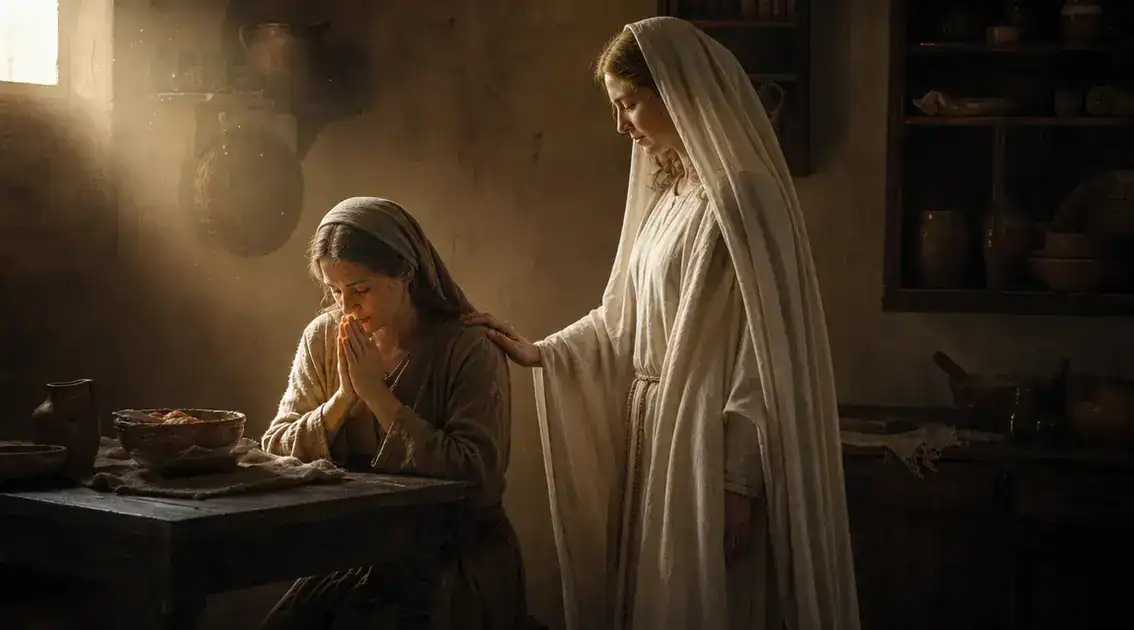

What are virtues angels: in Christian tradition the virtues are an angelic order—derived from Pauline lists and shaped by Pseudo‑Dionysius—portrayed as humble stewards of God’s power who govern aspects of the created order and act as channels of providence, healing, and small miracles under God’s will.
Have you ever noticed a gentle interruption in the flow of things? what are virtues angels — an ancient name for an angelic order associated with divine power and small miracles — invites quiet attention to moments of providence and healing.
Who are the virtues in biblical tradition?
In Scripture and the early church, the virtues are named not as famous characters but as a gentle class of heavenly beings tied to God’s active power. New Testament lists of angelic ranks (seen in texts such as Colossians and Ephesians) have long been read by tradition as pointing toward these orders. Those passages do not tell long stories about them, yet they give a sense that some angels serve as channels of God’s ordering grace.
Patristic writers and later theologians, following Pseudo-Dionysius, placed the virtues in a middle triad of the angelic hierarchy. In this role they are described as stewards of cosmic order, ministers who govern the laws of nature, and quiet agents through whom miracles and providence flow. This framework helps believers imagine how divine power moves without breaking the texture of ordinary life.
To live with this tradition is to learn a posture of attentive wonder. When a sudden healing, a timely provision, or an unexplained calm arrives, prayerful souls have often named that touch as the work of the virtues. Naming it does not solve every mystery, but it trains the heart to notice God’s care and to respond with gratitude and readiness to serve.
Key Scripture passages that reveal the virtues

The Bible does not tell long stories about the virtues, yet it names ranks of heavenly beings that later tradition connects to them. In passages such as Colossians 1:16 and Ephesians 1:21, Paul lists thrones, dominions, rulers, and powers. Those simple listings open a window: they suggest an ordered heavenly life through which God’s power meets the world.
Other passages add shape to that window. Ephesians 3:10 shows God’s wisdom being revealed through the unseen ranks, and Ephesians 6:12 reminds us that spiritual realities are organized and active. From these texts, the virtues appear as agents of providence—steadying creation, supporting law and order, and occasionally guiding events toward healing and mercy.
Bringing these scriptures into prayer trains a humble attentiveness. When an unexpected calm, timely provision, or gentle healing happens, scripture gives a name and a lens that fosters gratitude rather than forced explanation. Let that naming become a quiet practice: notice the touch of providence, offer thanks, and ask for the grace to cooperate with whatever good is unfolding.
Early theology and patristic interpretations
Early theologians set out to name what they felt but could not fully explain about the heavenly realm. Writers like Pseudo-Dionysius gave a careful shape to that feeling in works such as the Celestial Hierarchy, where the virtues appear in a middle triad that links God’s hidden life to the visible world. They are portrayed as hands of order, not as loud agents, but as steady powers that help keep creation in its rhythm.
Other church fathers listened and adapted these images with care. Figures such as Augustine and Gregory spoke of angels as ministers of God’s will, and they allowed room for the idea that some angels help govern natural law and bring about timely goods. These voices do not force proof; they offer a way to read events with patience and sacred curiosity, seeing providence at work when the ordinary is touched by the extraordinary.
Living with this patrimony invites a simple practice of attention. When we thank God for order found in life, we join a long stream of believers who named the quiet work of the angels as a sign of grace. That naming is not a final answer but a devotional habit that opens the heart to wonder and to a readiness to cooperate with whatever small mercy is being offered.
The virtues’ role in miracles, providence and healing

The virtues are often pictured as quiet channels of God’s power, working behind the scenes to align events with a good purpose. They are not dramatic heralds but steady hands that nudge creation back into harmony. In prayerful tradition, this is how the sacred meets the ordinary.
We notice their presence most in small, true wonders: a sudden recovery after long fear, a timely gift that keeps a family fed, or an unexpected calm in a dangerous hour. These moments are called miracles not because they break the world, but because they show God’s care working through ordered means. Such signs point us toward providence and gentle healing.
To live with this belief is to grow a simple habit: observe, give thanks, and respond with mercy. When you see a healed hand, a warm meal, or a safe passage, offer a quiet prayer and then serve where you can. Let the work of the virtues inspire both awe and practical love.
Devotional practices and how to attune to their presence
To attune to the virtues, begin with quiet and simple practice. Sit in silence for a few minutes each day and breathe slowly, offering a short prayer or a single line of scripture. This gentle silent attention trains the heart to notice small mercies that might otherwise pass by.
Pair that attention with quick acts of gratitude and service. When an unexpected calm, timely help, or small healing appears, name it briefly in prayer and offer a simple response—share food, send a caring word, or lend a hand. These little responses are ways of cooperating with grace and make the sacred practical in daily life.
Keep these practices steady by making small routines: a morning intention, a brief evening examen, and a short journal of noticed providences. Share the practice with a friend or a prayer group when you can, so your noticing grows and is shaped by community. Over time these daily habits form a life that both recognizes and rejoices in the quiet work of God through the angels.
A closing prayer for noticing the virtues
Lord, in the quiet places of our day, help us to see the soft work of your angels. May our hearts grow gentle and alert to the small mercies that point to your care. Give us the calm to recognize when providence has touched our lives.
Teach us to name these moments with gratitude, trusting that the virtues move with a steady, hidden love. Let that naming change how we live: more ready to give, to heal, and to serve the needs we encounter.
Keep our practices simple and steady—a short prayer, a thankful breath, a small act of kindness—so that noticing becomes a habit of the soul. In this way, the sacred will shape our ordinary days and make our hands instruments of grace.
May peace go with you now, a soft light to guide your steps and a quiet courage to respond when mercy appears. Amen.
FAQ – Common questions about the virtues and angelic ministry
What are the virtues in Christian tradition?
The virtues are an order of angels described by later Christian writers as channels of God’s power and order. Scripture lists angelic ranks (for example, Colossians 1:16 and Ephesians 1:21), and theologians such as Pseudo‑Dionysius placed the virtues in a middle triad that connects God’s hidden life with the visible world.
Where in the Bible do we find evidence for the virtues?
The Bible does not name “virtues” with long narratives, but Paul’s lists of heavenly ranks (Colossians 1:16; Ephesians 1:21; see also Ephesians 3:10 and 6:12) give a framework later tradition used to identify orders like the virtues. These texts invite reflection on an ordered, active spiritual realm rather than offering a full catalog.
Do the virtues cause miracles on their own?
No. In Christian teaching, miracles are always God’s work; the virtues are understood as instruments or stewards through which God’s power and providence flow. Patristic tradition speaks of them tending the laws of nature and allowing God’s mercy to break through in timely ways, but always under God’s will.
How can I tell if something is the work of the virtues or just coincidence?
Discernment grows with prayer and attention. Scripture and tradition encourage noticing patterns of providence—unexpected healing, timely provision, calm amid danger—and responding with gratitude. Rather than proving, the practice trains the heart to see God’s care and to act kindly when mercy appears.
Should we pray to the virtues or directly to God about angelic help?
Prayer is rightly directed to God. Tradition encourages asking God for angelic assistance and thanking God for their ministry, while avoiding prayer that treats angels as autonomous objects of worship. Many devotional traditions (including Catholic practice) honor angels as servants of God and seek their help in humility and obedience to divine will.
What spiritual practices help attune me to the presence of the virtues?
Simple, steady practices help: short moments of silence, a brief morning intention, reading passages where angels appear, and a nightly examen to notice mercies. Acts of thanksgiving and small service when you perceive providence also form a Christian habit of cooperation with grace. Over time these practices open the heart to recognize and respond to the quiet work of God through the angels.