

Principalities—angels of nations—are spiritual agents described in Scripture and patristic tradition as divinely appointed guardians who engage in spiritual oversight, assisting and protecting peoples, influencing moral affairs, and serving God’s sovereign purpose through prayerful intercession, subtle guidance, and measured stewardship while human leaders remain morally responsible.
principalities angels of nations — have you ever wondered who watches over a people when history trembles? I invite you to walk through Scripture and tradition, noticing how these appointed guardians appear as both mystery and mercy.
Biblical glimpses of principalities and their custody over nations
Ephesians 6:12 gently turns our eyes to a larger scene where Scripture names spiritual powers, called principalities, as active around nations. This idea shifts a simple news story into a sacred landscape. When we read such lines, we learn to see history not only as human events but as events held within a wider, spiritual care.
The book of Daniel 10 gives that care a living shape: an angel speaks of delay by the prince of a region until Michael comes to assist. The passage shows angels moving with purpose amid kingdoms, sometimes meeting resistance and sometimes offering help. It feels less like a distant doctrine and more like a scene where faithful beings labor for the good of peoples.
Those biblical glimpses invite a steady, prayerful response. We are encouraged to pray for leaders, to seek wisdom for our communities, and to trust that God’s ordering includes appointed watchers. Holding this image softly can change how we act in public life, reminding us we do not stand alone but within a tapestry of visible and unseen care.
Angelic encounters in Scripture that point to national guardians

Have you noticed how Scripture sometimes lets us glimpse angels at work around whole peoples, not just single lives? Passages like those in Daniel, the appearances of the angel of the Lord, and the visions in Revelation invite us to widen our view. These scenes gently nudge us from private devotion toward a prayer that includes cities, borders, and the common good.
In Daniel 10 an angel describes delay and conflict with a regional prince, and in Daniel 12:1 Michael is named as a protector for God’s people. The text sketches a vision in which heavenly beings work with purpose amid kings and kingdoms. When we read it, we sense that spiritual struggles can have real effects on nations, and that God places faithful watchers into those larger stories.
The visions of Revelation place angels alongside churches and symbolic regions, delivering guidance, correction, and hope with quiet authority (Revelation 1:20). These encounters are less about spectacle and more about care: angels who stand in the gap, point the way, and guard the faithful. Let that image shape our prayers today—lifting leaders, neighbors, and entire communities into a humble trust that the unseen is at work for justice, mercy, and peace.
Patristic and theological readings: how churches interpreted principalities
The early church read Scripture with an eye for the unseen. Writers like Origen and Augustine spoke of principalities as real spiritual forces that touch nations. They treated passages in Daniel and Ephesians as windows into God’s rule, reminding readers that these powers exist under God’s command and not above it.
Later voices built on that humble reading. The mystic Dionysius the Areopagite sketched a celestial order that shaped prayer and worship, while Thomas Aquinas thought of angels as created minds given roles in the care of peoples. Together, these traditions kept a steady note: principalities are ordered by God to serve his purposes, and human leaders remain accountable for justice and mercy.
From this theology came simple spiritual practices: steady prayer for rulers, communal fasting in crisis, and works of mercy at home. Churches learned to pair prayer with action, trusting that heavenly care does not replace human duty. That balance invites faithful hope — we pray for our nations while working humbly for peace and justice.
Saints and witnesses: personal accounts of guardian angels for peoples
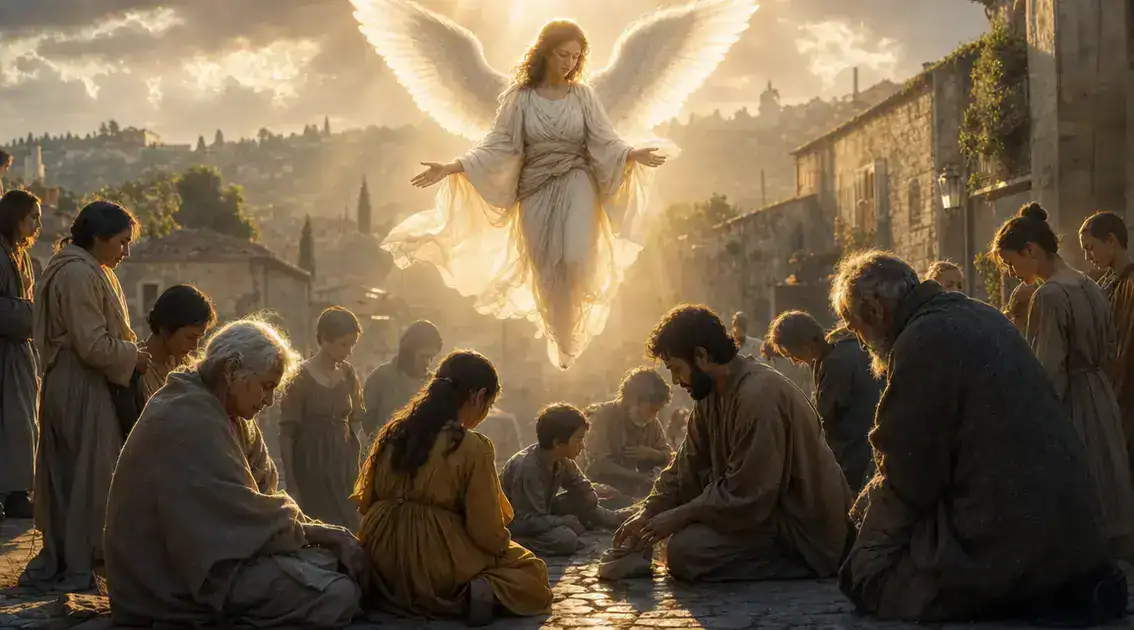
Across Christian history, saints and everyday witnesses have told of moments when an angel made a people feel held. These are not always dramatic visions. Often they arrive as a quiet guide, a timely warning, or a gentle sense of protection over a town, a border, or a whole community. Such accounts invite us to imagine spiritual care that reaches beyond one life and into the life of a people.
Some saints spoke plainly about their encounters with angels, and their stories ripple into how communities pray. Figures like Padre Pio and Saint Faustina described angelic assistance in ways that felt intimate and trustworthy. In other traditions, local witnesses recall angels appearing at turning points in a nation’s history, nudging leaders, guarding sacred places, or calming fear. These memories form a devotional thread that connects personal holiness with the hope of public protection.
Keeping these stories close can change how we act for the common good. When we remember a guardian presence at work, our prayers for leaders, for refugees, and for social healing gain depth. This does not replace practical work for justice, but it does widen our courage: to pray, to serve, and to believe that our efforts are woven into a larger, unseen mercy for nations.
How to pray for your nation’s guardian angel with reverence
When we pray for our nation’s guardian angel, begin simply and softly. Sit in a quiet place, breathe, and name the country or city you love. In that stillness offer a gentle greeting to the guardian angel, asking God to guide and protect the people and leaders with mercy and wisdom.
Use short, honest prayers that lift up specific needs—peace for neighborhoods, wise hearts for leaders, care for the vulnerable. Read a brief passage of Scripture, then speak or pray aloud a blessing for the land. Repeat simple phrases like “Lord, bless this people” or “Make them instruments of justice,” letting each line rest in your heart.
Make this a steady practice with others when you can: a small group, a church meeting, or a family circle. Pair prayer with action—serve a neighbor, write to a leader, give to relief—and trust that such work joins our petitions to God’s wider care. Hold to the hope that faithful prayer, offered in reverence, weaves our hearts into the unseen kindness that watches over nations.
Discernment and hope: living under divine oversight in troubled times

When nations face fear and change, discernment helps us notice where God is already at work. We learn to slow down and listen in prayer, looking for quiet signs of care amid the noise. Ephesians 6:12 points us to the reality of spiritual struggle, but it also reminds us that such struggles are known and held by God. That knowledge invites gentle vigilance rather than panic.
Discernment grows through Scripture, silence, and simple acts of service. Read passages like Psalm 46 to steady the heart, then pair that reading with clear, practical steps—help a neighbor, seek truth, support fair leaders. The practice trains our eyes to see both danger and the small mercies that point the way forward.
Hope is not wishful thinking but a steady trust that God orders history and places watchers over peoples. Trust does not make us passive; it places our work inside a larger story. So we pray for protection, serve the vulnerable, and hold fast to justice, knowing that faithful action and patient hope can change the life of a nation.
A gentle prayer for nations under heavenly care
We close with a soft prayer, trusting that God watches over every people. Hold the image of a faithful guardian near your heart and let it steady your days. Know that you are never truly alone in the life of your nation.
Ask simply for wisdom for leaders, mercy for those who suffer, and courage for those who serve. Offer small acts of kindness as a way to join prayer with work. These acts weave our hopes into the larger story of God’s care.
May your prayers bring patience, may your service bring healing, and may your hope grow steady. Remember to pray for neighbors, to speak truth with love, and to act for justice. Carry this sacred trust into the week ahead.
May the peace that comes from heaven rest on your community, and may the unseen guardians of the nations lead us toward mercy, courage, and lasting peace. Amen.
FAQ – Questions about principalities, angels, and national guardians
Do principalities in the Bible mean there are angels assigned to nations?
Scripture names spiritual powers called principalities (see Ephesians 6:12) and passages like Daniel 10 show heavenly beings acting in relation to regions. Many interpreters understand these texts to describe real spiritual agents who operate under God’s authority; tradition holds that God orders such beings for his purposes, not as rivals to him.
Where in Scripture do we see angels acting on behalf of whole peoples?
Notable texts include Daniel 10–12, where Michael is described as a protector of God’s people, and Revelation, where angels are linked to churches and symbolic regions (e.g., Revelation 1:20). These scenes portray angels engaged in care, guidance, and spiritual conflict around communities and nations.
Did the early church and the fathers teach about national guardian angels?
Yes. Church fathers such as Origen, Augustine, and later writers like Dionysius described angelic orders and roles in the care of peoples. Views varied in detail, but the common thread in patristic and medieval theology is that angels serve God’s plan for nations while human leaders remain morally responsible.
How should I pray if I want to honor or intercede for my nation’s guardian angel?
Address prayer to God, asking for wisdom for leaders (1 Timothy 2:1–2), mercy for the vulnerable, and protection over the land. You may silently acknowledge the angelic care as you pray, offer Scripture, and commit to acts of service—prayer paired with justice and mercy reflects biblical practice.
Can angels actually influence political events or national outcomes?
Biblical narratives show spiritual realities intersecting with history (Daniel’s angelic struggles, for example), but Scripture also insists on God’s sovereignty and human responsibility. Angels may be involved in God’s ordering, yet our ethical choices, prayer, and civic engagement remain decisive.
How can we discern true angelic guidance from imagination or error about nations?
Discernment rests on Scripture and community. Test any supposed message by the Bible (1 John 4:1), observe its fruits (Matthew 7:16), seek wise counsel, and practice humble prayer. Genuine guidance will lead toward love, justice, and obedience to God rather than fear, division, or self-exaltation.