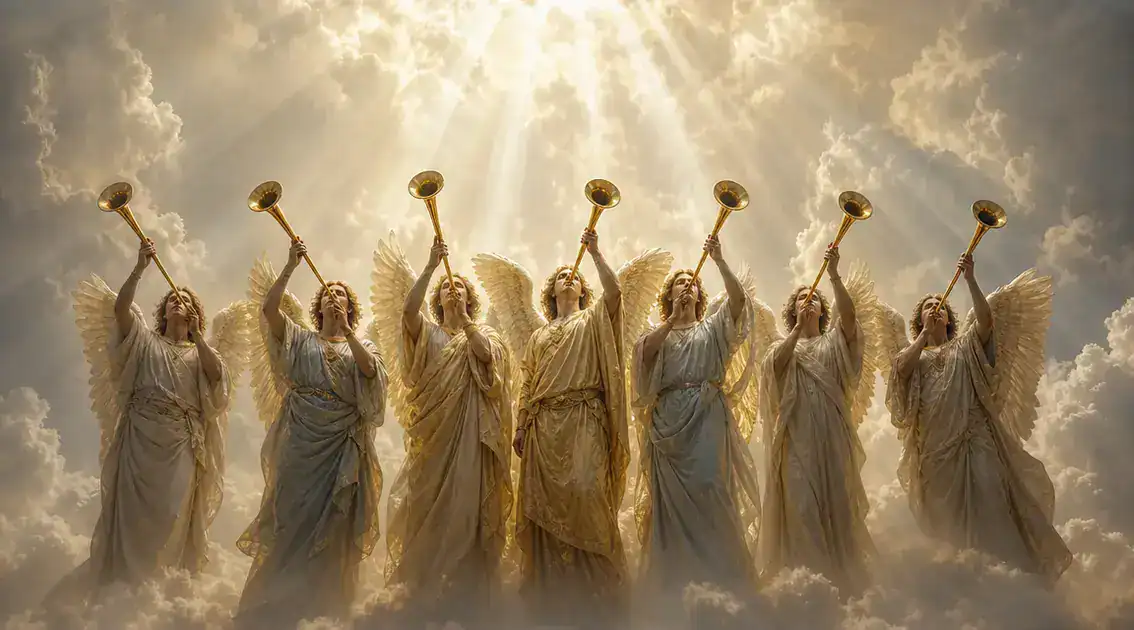

when will the angelic trumpets sound is not given as a calendar date in Scripture; instead, biblical passages (Joel, 1 Thessalonians, Revelation) use trumpet imagery to warn, summon, judge, and promise gathering, and Christian traditions interpret these sounds variously—inviting repentance, faithful watchfulness, and hope rather than precise prediction.
Have you ever imagined the sky filling with a holy blast, a summons that stirs all creation? when will the angelic trumpets sound is a question that echoes through Scripture and tradition, and here I offer a gentle guide that honors mystery while tracing the Bible’s and church’s voices.
Angelic trumpets in Scripture: key passages from Revelation, Joel and Thessalonians
In Revelation 8–11 the trumpet blasts come one after another, each carried by an angel into the wide stage of history. The images mix judgment and sacred warning, and the sound itself becomes a way God shapes events. These scenes are vivid but also symbolic; the seven trumpets mark a steady, solemn unfolding of God’s purpose rather than a single, isolated shock.
Joel’s voice is different but close in spirit. “Blow the trumpet in Zion” summons the whole people to attention, prayer, and repentance. The trumpet in Joel is a public summons meant to wake a sleeping community and move it back toward mercy. Here the sound is pastoral: it warns, it invites, and it seeks restoration; Joel’s trumpet helps us hear the call as a form of loving correction.
Paul in 1 Thessalonians 4:16 brings the trumpet into the language of hope and reunion when he speaks of the Lord’s descent with the trumpet of God to gather the faithful. Read with Joel and Revelation, Paul’s image shows how the trumpet can both warn and comfort. The three passages together teach that the trumpet’s voice can awaken conscience, declare judgment, and finally call the saved into the presence of God — a single sound that both alarms and reassures.
The seven trumpets of Revelation: symbolism and major interpretations
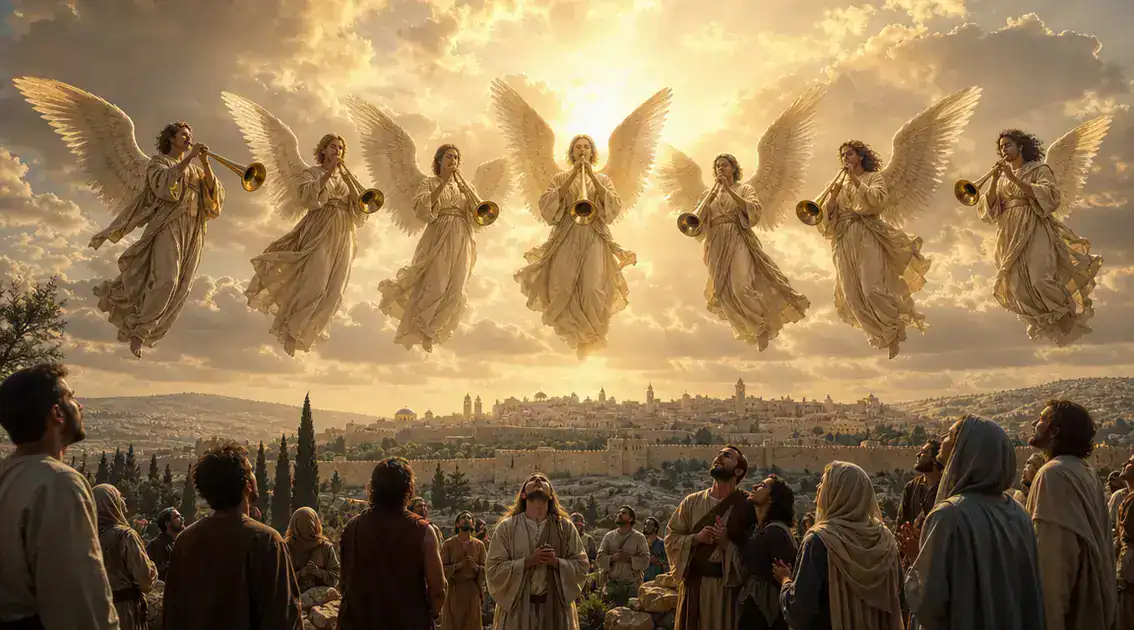
The seven trumpets in Revelation arrive in a steady sequence, each sound marking a new scene where heaven and earth meet. The images that follow are startling—storms at sea, darkness over the land, and strange signs in the sky—but they work together as a single, unfolding message. Rather than a secret timetable, the trumpets shape a story that calls people to awaken and pay attention to God’s ways.
In the Bible a trumpet often signals both warning and gathering: it summons the community, signals battle, or announces a holy festival. When Revelation borrows this language it blends judgment with invitation, so the blasts are meant to shake the heart and turn it back to God. Read this way, the trumpet is not only a doom sound; it is a sacred wake-up call that holds space for mercy and repentance.
Readers across the ages have offered different ways to make sense of these sounds. Some take a futurist view and expect literal events still to come; others follow a preterist line and see many trumpet scenes as tied to the first century. Historicist readers trace the trumpets through church history, while idealists see them as symbolic truths about spiritual struggle and hope. Each view brings a helpful angle, and together they invite careful prayer, humble study, and readiness of heart rather than frantic certainty.
Old Testament origins: trumpet imagery in worship, war and prophecy
From the earliest pages of the Old Testament the trumpet—often the shofar or the silver ram’s-horn—served as a sacred voice in worship and assembly. Numbers 10 describes silver trumpets used to call the community, to signal the moving of the camp, and to mark the festivals. In temple and tent alike the sound announced God’s presence and invited the people into covenant remembrance, so the trumpet became a clear way the community listened for and responded to the Lord.
Alongside worship, trumpets also marched into battle. The book of Joshua records priests blowing trumpets around Jericho until the walls fell, and other narratives show trumpets sounding alarms, rallying troops, and proclaiming victory. In this use the blast wakes the body of the people: it warns of danger, urges courage, and celebrates deliverance. The sound is both practical and symbolic, moving hearts as it moves feet.
Prophets borrowed and shaped this language so that the trumpet came to carry moral urgency and eschatological hope. Joel’s cry to “blow the trumpet in Zion” calls the nation to repentance and prayer, while other prophets use trumpet images to speak of judgment and final gathering. Together these strands show a single pattern: the trumpet summons a people, calls them to account, and points toward God’s promise of restoration. In hearing those ancient blasts today, we find a voice that warns, gathers, and comforts all at once.
How early church fathers read the trumpets: Augustine, Lactantius and patristic voices
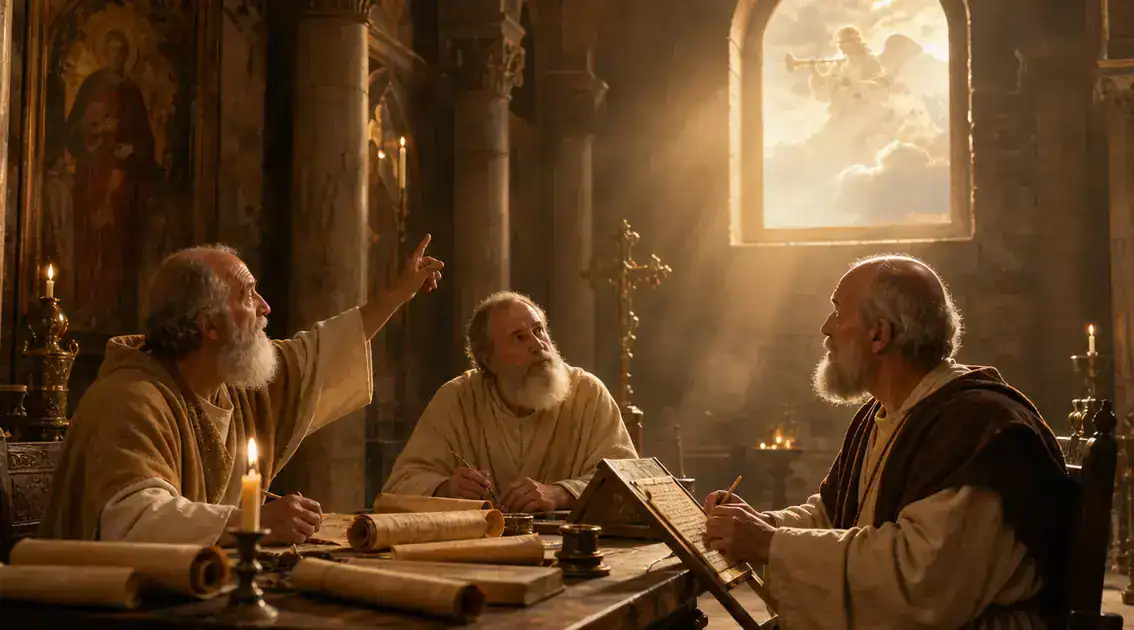
Many early church fathers read the trumpet images with a pastoral ear, listening for how those sounds shaped the life of the faithful. Some fathers faced persecution and read Revelation as a call to steadiness; others wrote in times of relative peace and found in the trumpets a sober warning to holiness. Across these voices the trumpet was rarely a mere puzzle to solve; it was a summons that aimed to steady hearts toward faithfulness.
Augustine moved the conversation in a striking way when he urged a more spiritual reading of apocalyptic language. He tended to see the trumpet scenes as symbolic signs of God’s work among peoples and churches rather than a strict timetable of future events. For Augustine, the loud sounds pointed believers back to the two cities—the earthly and the heavenly—and served to remind Christians that God’s final victory shapes how we live now.
By contrast, writers like Lactantius and several earlier fathers read the prophecies with a more concrete expectation of future acts of God. They tended to take many of the images more literally, expecting visible interventions and clear restorations to come. Even so, whether read more literally or more spiritually, patristic treatments shared a common aim: the trumpets call the church to repentance, courage, and hope. Their diversity invites us to study with humility, to hold doctrine and devotion together, and to let the trumpet’s voice prompt prayerful readiness rather than fear.
Different eschatological views: preterist, historicist, futurist and idealist readings
Readers have long offered four main ways to read apocalyptic trumpet language. The preterist view sees many scenes as events near the first century, speaking to early churches and their trials. The historicist approach traces the trumpet images across the sweep of church history, finding meaning in ages and movements. The futurist expectation holds that many trumpet blasts point to literal events still to come, bringing hope of divine intervention. The idealist reading treats the trumpets as timeless symbols that teach moral and spiritual truths about God’s work in the soul.
Each reading frames the trumpet in a different key. For preterists the sound is urgent and contextual, calling a fragile community to endurance. For historicists the blasts mark patterns and warnings through centuries, inviting vigilance. Futurists hear a clarion of hope—an assurance that God will one day act in a visible way. Idealists listen for the inner lesson: the trumpet wakes the heart, warns the conscience, and summons faithful living in any era.
These differences need not divide the church’s devotion. Approaching the texts with humility, prayer, and charity helps us learn from each perspective. Let careful study and shared worship shape how the trumpet’s voice moves us: to repentance, to courage, and to patient hope. In practice, meet the text with Scripture, community conversation, and simple prayer, allowing the variety of readings to deepen rather than harden your faith.
Pastoral meaning: what trumpet imagery offers to believers today
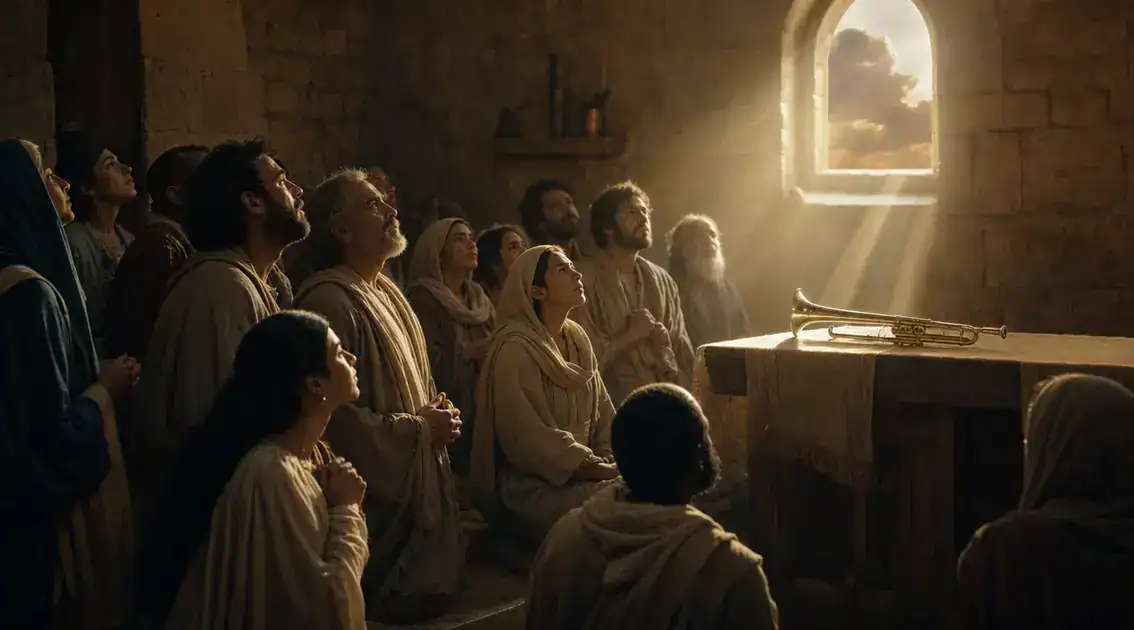
The trumpet image speaks to the heart of everyday faith. It calls believers to wakefulness and repentance, like a gentle alarm asking us to notice where we have grown dull and to turn back to God. This is not a message of panic but of holy attention, a reminder that God is at work and asks us to join in attentive prayer and right living.
At the same time the trumpet brings deep comfort and hope. Paul’s image of the trumpet gathering the faithful reminds us that the sound can signal reunion, mercy, and healing. When we meet the trumpet in Scripture, we learn that God’s voice both warns and holds; that double movement shapes how a congregation prays, forgives, and waits together.
Practically, trumpet imagery nudges us toward prayer, service, and steady vigilance. It asks us to care for neighbors, to seek justice, and to keep a simple, faithful rhythm in daily life. By answering the call with small acts of love and steady faith, we practice readiness—not anxious watching, but faithful living that reflects the hope and summons the ancient blasts invite.
Practical devotion: praying with the trumpet passages and cultivating spiritual readiness
Begin by reading the trumpet passages slowly and prayerfully—try Revelation 8–11, Joel 2, and 1 Thessalonians 4:16. Read aloud if you can, then sit in a moment of silence and ask God to open your ears and heart. This gentle habit of prayerful listening trains you to hear both warning and promise, and it makes the text a living voice rather than a puzzle to solve.
Turn the reading into a small, repeatable ritual: a short breath prayer, the sign of the cross, or lighting a candle before scripture. If your tradition uses a shofar or trumpet sound, a single clear note can focus attention; if not, a quiet bell or deliberate silence will do. These small gestures help the imagination rest in the passage and root the trumpet’s call in daily practice, guiding you toward repentance that leads to action.
Practice with others when possible—gather for a brief vigil, share a passage at a meal, or pray for specific neighbors afterward. Let the trumpet inspire concrete service: visit the lonely, feed the hungry, forgive quickly, and tend the poor in simple ways. By answering the call through steady acts of mercy and faithful routines, you cultivate faithful readiness and nourish a hopeful trust in God’s final purposes—hope that shapes how you live today.
A closing prayer for the trumpet’s call
Holy God, your voice is like a trumpet that wakes our hearts and gathers us home. Give us ears to hear and the courage to answer, not in fear but with gentle trust.
May the trumpet remind us to wake from small comforts and tend the neighbors you place before us. Let our lives speak mercy, our hands do justice, and our words carry hope into quiet places.
Teach us to live in ready hope: steady in prayer, quick to forgive, and faithful in small acts of love. Keep us gentle and brave as we wait together for your coming.
When our waiting grows heavy, grant us your peace and a fresh sense of wonder at the mystery you hold. Amen.
FAQ – Questions about the angelic trumpets and their meaning
What do the angelic trumpets signify in the Bible?
The trumpet in Scripture carries several linked meanings: call to worship and assembly (Numbers 10), alarm in battle (Joshua 6), prophetic summons to repentance (Joel 2), and both judgment and gathering in Revelation (Revelation 8–11; 1 Thessalonians 4:16). Taken together, these passages show the trumpet as a divine voice that warns, awakens conscience, and invites toward God’s mercy and restoration.
When will the angelic trumpets sound?
Scripture does not give a date or timetable. Different traditions read the texts differently—some see trumpet scenes as already fulfilled in the first century, others as patterns across history, and others as future events (preterist, historicist, futurist, idealist readings). The biblical emphasis is less on predicting a date and more on being spiritually attentive and ready (Matthew 24:42–44; 1 Thessalonians 5:6).
Must I expect a literal trumpet blast when Christ returns?
Believers across history have answered this in different ways. Some expect a literal, audible trumpet (drawing on 1 Thessalonians 4:16), while others read the trumpet language as symbolic of decisive acts of God. Both approaches aim to honor Scripture; what is most pastoral is to let the image move us to faithful living rather than anxious speculation (Romans 13:11–12).
How can I pray with the trumpet passages in a way that helps my faith?
Pray the passages slowly and listen: read Revelation 8–11, Joel 2, and 1 Thessalonians 4:16 aloud, pause to reflect, and offer a short breath prayer asking for alertness and mercy. Use small practices—lighting a candle, a moment of silence, or communal reading—to let the text form your heart. Tradition encourages repeating these practices with humility, letting the trumpet call move you to repentance and service (Psalm 51; James 2:14–17).
Did the early church fathers agree about the trumpets?
No single patristic consensus exists. Augustine favored more spiritual or symbolic readings that emphasized how God’s purposes unfold among peoples and churches. Writers like Lactantius and others sometimes expected more concrete future interventions. Despite differences, patristic voices commonly read the trumpets as a call to repentance, courage, and hope—an aim that remains instructive for us today (see Augustine, City of God; patristic commentaries on Revelation).
How should trumpet imagery shape my daily Christian life?
Let the trumpet wake you to practical holiness: cultivate prayerful vigilance, care for neighbors, quick forgiveness, and consistent acts of mercy. The trumpet’s double movement—warning and comfort—invites both honest repentance and steady hope (1 Thessalonians 4:16–18). Practically, answer the call with ordinary acts of love that prepare you spiritually and serve your community.