

Fatima Marian prophecies and angels describe angelic visitations—most notably the Angel of Portugal—that prepared the shepherd children for Marian messages by offering warnings and consolations, teaching prayer, penance, and Eucharistic reverence, and prompting communal conversion; the Church permits devotion to these private revelations when judged by Scripture, Tradition, and their fruits.
Have you ever felt the hush before a revelation? fatima marian prophecies and angels invite us into that quiet—where the angel of Portugal’s presence and prophetic words meet ordinary lives with warning, consolation, and the call to renewed prayer.
The angel’s visitation in Fatima and its scriptural resonances
In the soft hush of a Portuguese morning, the shepherd children reported a gentle presence among the grasses and olive trees. The scene reads like a living echo of Scripture: an otherworldly visitor who speaks, teaches, and bends the ordinary toward the holy. Standing with them, the figure calls attention not to wonder alone but to a daily life shaped by prayer and quiet attention.
We hear clear biblical resonances in that meeting. It recalls Gabriel’s tender greeting to Mary and the psalmic promise that God sets angels over those he loves, sent to guard and to guide. The story helps us see angels as God’s messengers, sent to awaken prayer, offer consolation, and call for conversion, linking the Fatima visits to the wider scriptural pattern of divine care.
That connection moves quickly into pastoral life. The angel’s words invite simple responses: pause, kneel, and return to honest prayer and reparation. Such practices shape communities and hearts, turning a remembered vision into steady acts of love, penance, and renewed attention to God’s presence in everyday moments.
Who is the angel of Portugal? tradition and theological perspectives

Who is the Angel of Portugal? The children of Fatima described a gentle, radiant visitor who appeared before the Marian messages and taught simple prayers. He spoke with calm authority and invited the young shepherds into a life of prayer, penance, and trust, so many now remember him as a tender guide toward holiness.
Seen through Scripture and tradition, the angel fits the familiar role of heavenly messengers. The Bible presents angels as ministers of God’s care, not distant spirits but active helpers in human lives; they call people to witness, protection, and service. In this light, the Angel of Portugal is best understood as one of those ministering messengers sent to awaken prayer and conversion, a presence that points away from spectacle and toward quiet obedience.
That theological view shapes how believers respond today. Rather than fixating on the angel’s exact rank or title, many find the deeper meaning in the practices he encouraged—prayer, reverence for the Eucharist, and reparation for sin. The Church asks prudence in judging private revelations, yet it also honors their fruits: renewed devotion, increased charity, and a calmer, prayerful heart that listens for God’s voice in the small chores of daily life.
Prophetic messages: reading the warnings and consolations devotionally
Prophetic messages often hold a twofold shape: a sober warning and a warm consolation. At Fatima, the angel’s words invited attention to the harm of sin while also offering a path back through prayer and reparation. When we hold both parts together, the warnings do not frighten us into despair but steer us toward a kinder, more honest way of living.
That pattern echoes the whole biblical witness, where prophets call people to change and God meets them with mercy. Think of how a prophet warns about danger while also promising renewal if hearts turn. In that light, the angel’s message is not mere doom; it is a loving urgings toward repentance, healing, and renewed trust in God’s grace.
Reading these messages devotionally means learning simple practices that answer the call: more frequent prayer, small acts of reparation, and a deeper attention to the needs of others. Let the warning sharpen your conscience and let the consolation soften your courage. In this steady rhythm—awareness, prayer, and gentle action—prophetic words become a lived pathway to hope and lasting change.
Symbols and sacramentality: how angels manifest divine presence

Angels often appear in ways that point beyond themselves to deeper spiritual realities. In Fatima and in Scripture, they bring visible signs—light, gestures, and sometimes sacramental objects—that invite us to see God at work. These signs are not ends in themselves but channels that draw our hearts toward the mystery of God’s presence.
Seen through a sacramental lens, such symbols make sense: the Church teaches that outer signs can carry inner grace. Angels, as heavenly ministers, seem to confirm that pattern by drawing attention to prayer, the altar, and acts of reverence. They remind us that the sacred is woven into ordinary signs—bread, wine, a humble gesture of kneeling—and that God meets us through these simple, holy means.
That vision shapes how we live devotionally. When we approach the sacraments with quiet attention, we join a timeless conversation where heaven and earth meet. Simple acts—genuflecting, receiving Communion with care, or pausing in silent adoration—become ways to notice the gentle ministry of angels and to receive the grace those signs point toward.
Responses of the faithful: prayer, penance, and communal conversion
When the people heard the angel’s call, their first answer was to pray together. Villagers gathered in fields and chapels to say the rosary, spend time before the Eucharist, and sing simple hymns. These acts were not showy; they were steady habits that taught the heart to listen and to trust. In that steady listening, prayer became a daily rhythm that held both fear and hope.
Penance followed naturally from prayer. Simple fasts, small sacrifices, and acts of reparation were offered with humility and care. Some knelt on rough ground, others gave extra time to the poor, and many confessed their faults with honest sorrow. Such practices are not punishment but medicine for the soul, a way to turn from harm and to choose life again through penance and reparation.
Over time these private choices reshaped whole communities. Processions, shared devotions, and mutual charity grew from the children’s witness and the angel’s invitation. The Church met these movements with pastoral care, guiding confession, teaching, and service so that personal change led to public good. In this way, prayer and penance work together to bring about lasting conversion and a deeper life of charity among neighbors.
Carrying the message today: spiritual practices for contemplative listening
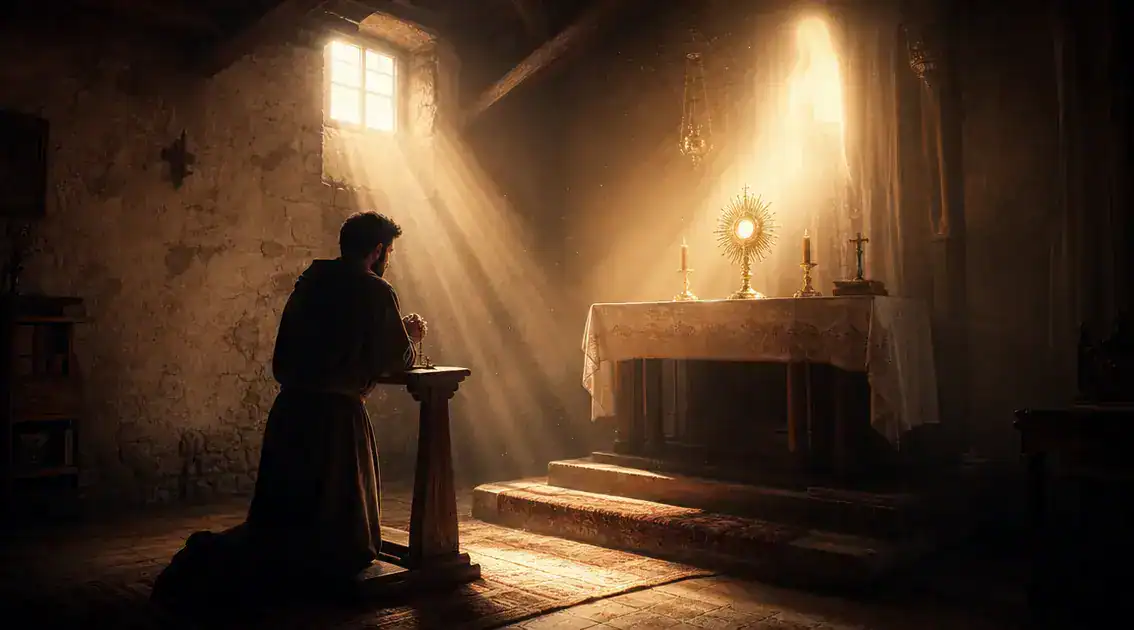
To carry the message of Fatima today we begin with quiet and attention. Practice short pauses through the day to breathe and listen, letting the mind settle from noise. These small silences form the habit of contemplative listening, a gentle readiness to notice how God speaks in ordinary moments.
Simple prayer patterns help that listening grow. Try a brief lectio practice with a short Gospel verse, then sit in silence for a minute to let one phrase sink in. Combine this with regular moments of adoration or a few minutes before the Eucharist if you can; such practices root the heart in stillness and in the presence that the angel pointed toward.
Finally, make the call to conversion practical and communal. Offer small acts of reparation, speak kindly, and join others in a weekly rosary or prayer circle to hold one another in faith. These choices turn private listening into shared life, and they help the prophetic message become a steady pattern of prayer, penance, and charity in daily living.
A gentle closing prayer
In the quiet places of our day, may we hear again the angel’s soft call to prayer and trust. Let that call shape small moments—breath by breath, choice by choice—so our hearts grow steady in hope.
Remember that God meets us through simple signs and faithful practices: a short prayer, an act of kindness, a humble step toward repair. These habits keep us close to grace and help the warning and consolation of prophecy become living care.
May we carry this message into family, work, and rest, offering patience, charity, and quiet witness. When we pray together and serve one another, the vision of heaven touches our streets and fields.
Grant us peace, gentle strength, and the eyes to see the holy in the ordinary. Amen.
FAQ – Common questions about Fatima, the Angel of Portugal, and prophetic messages
Did an angel really appear to the children at Fatima?
The three shepherd children consistently testified that a gentle, radiant visitor appeared before the Marian messages. The local Church investigated the events, and the Marian apparitions at Fatima were later judged worthy of belief; the angelic visit is part of that same testimony. Scripture and tradition already expect angels as messengers of God, so the accounts sit within a long biblical pattern.
What did the Angel of Portugal teach the children?
According to the children’s testimony, the angel taught them prayer, offered a lesson in reverence for the Eucharist, and invited acts of reparation and penance. These instructions echo Gospel calls to prayer and conversion and point believers back to the sacramental life as the ordinary way God heals and restores.
How should a Christian respond to prophetic warnings and consolations like those at Fatima?
The biblical pattern is clear: listen with humility, respond in repentance, and bear fruit in charity (see Jonah’s call to turn and the prophets’ blend of warning and hope). Practically this means renewed prayer, sacramental confession, concrete acts of mercy, and sustained communal devotion rather than fear or sensationalism.
Are private revelations, such as Fatima, binding on the faithful?
By Church teaching, private revelations are not part of the deposit of faith and are not required beliefs for all Catholics. When the Church judges a private revelation worthy of belief, it permits devotion to its message while reminding the faithful that such revelations must be judged by their conformity to Scripture, Tradition, and the fruits of holiness they produce (see Catechism guidance on private revelations).
How do angels connect to the sacraments, as seen in Fatima’s symbolism?
Angels are described in Scripture as ministering spirits sent to serve those who will inherit salvation (Hebrews 1:14). In the Fatima accounts they point toward Eucharistic reverence and sacramental practice, reminding us that outward signs—bread, wine, prayer—are channels through which God’s care and grace are given to the faithful.
What practical steps help someone practice contemplative listening today, following Fatima’s invitation?
Begin with brief, regular pauses: a short breath prayer, a minute of silence after reading a Gospel phrase (lectio), and weekly time before the Blessed Sacrament if possible (Matthew 6:6; Psalm 46:10). Add small acts of reparation and shared prayer like the rosary or a prayer circle; these habits train attention and turn inward silence into a steady readiness to hear God’s gentle prompting.