
Angels in the book of Revelation serve as God’s messengers, warriors, and worshipers who enact and announce divine judgments and mercy through symbolic visions—the seven trumpets, heavenly hosts, and archangels reveal both imminent upheaval and the call to repentance, guiding readers toward worship, discernment, and steadfast hope in God’s sovereign purpose.
Have you ever stood before the thunder of prophecy and wondered who those heavenly voices are? angels in the book of revelation; appear as messengers, judges, and worshipers, shaping the seven trumpets’ drama — walk with me through the text with reverence and curiosity.
Angelic roles in Revelation: messenger, warrior, worshiper
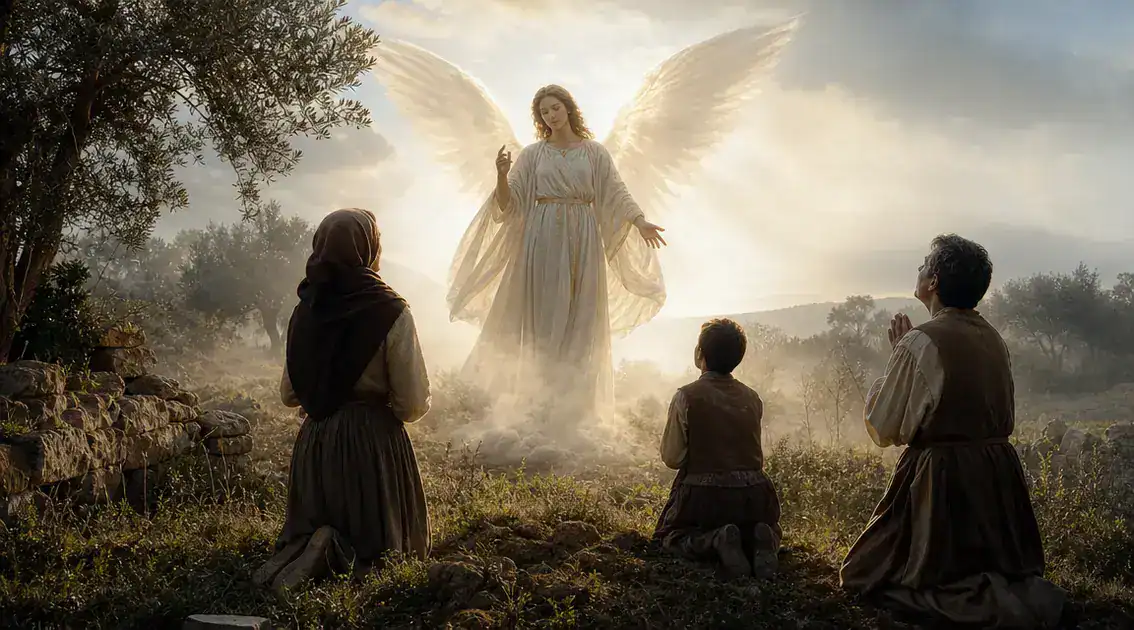
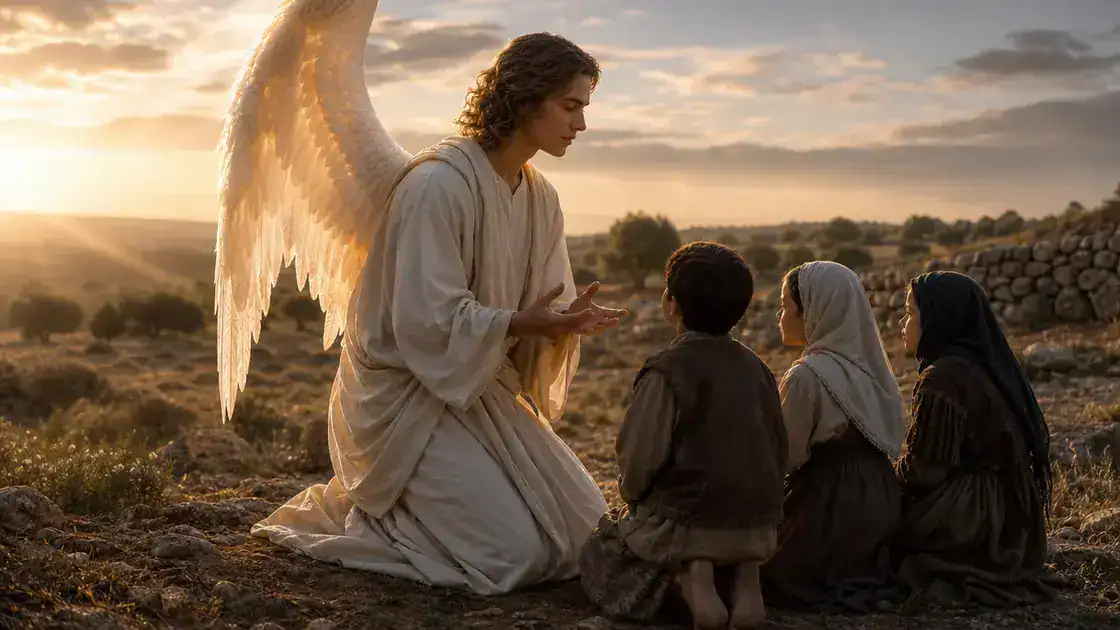
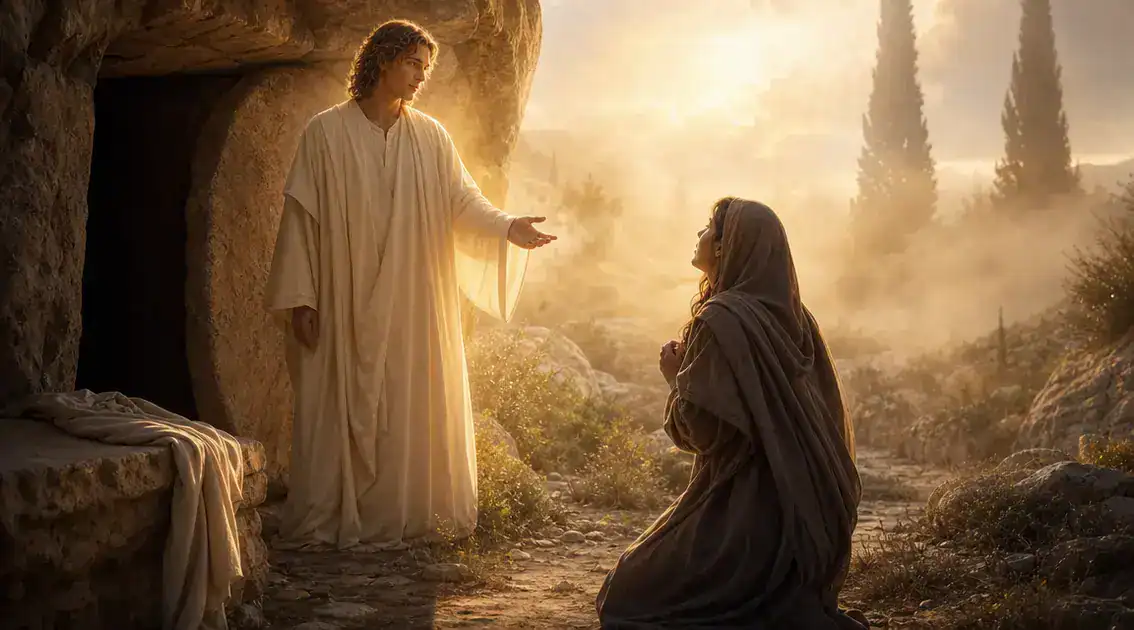
In Revelation the heavenly beings do not play one single part but wear many faces. Some appear first as messengers, carrying God’s voice across heaven and earth. They bring seals, scrolls, and trumpets that announce what God wills. Their words are simple and sure, and they remind us that sacred truth is meant to be heard and received.
Those same beings can also act like a righteous warrior sent to uphold God’s justice. When the trumpets sound, their role deepens: they press into the moment of judgment and protection. Their strength is not mere force but a holy duty to guard creation and call people to reckon with truth. Seeing them in the text helps us feel both the weight and the care behind divine action.
Alongside speaking and acting, angels gather to worship and sustain the life of heaven as devoted worshipers. Around the throne their praise shapes the meaning of every trumpet and every sign. This worship grounds the whole drama and invites us to join in humble wonder, not from afar but with a heart willing to listen, repent, and hope. As you read, let their roles guide your prayer: receive the message, face what must be faced, and return to worship.
The seven trumpets: sequence, symbolism, and judgment
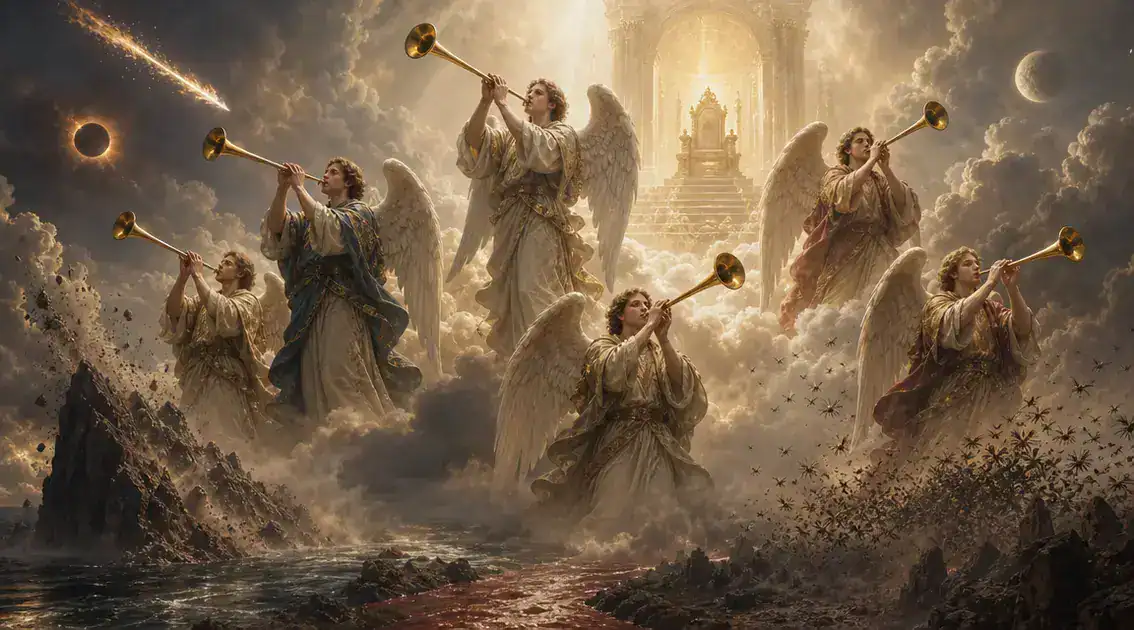
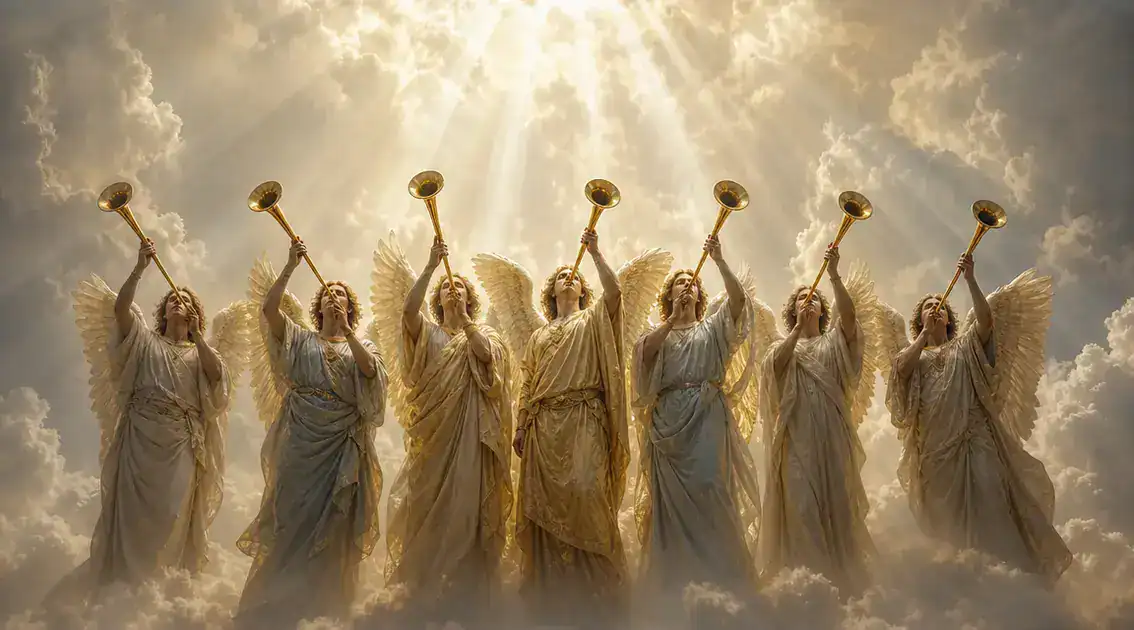
The seven trumpets blow in a steady, unfolding rhythm across Revelation. Each trumpet brings a new scene: winds of judgment, fire mixed with blood, a mountain cast into the sea, darkened sun and moon, a falling star, swarms from the abyss, and at last the mighty sound of the seventh trumpet. This ordered sequence helps the reader follow a sacred drama, not as random disaster but as a focused call to attention.
Trumpets in Scripture often serve as summons or alarm, and here they act as both warning and invitation. They warn of the cost of turning from God while still offering a path back through repentance. The vivid images—hail and fire, a burning star, locust-like distress—are symbolic language that wakes the heart and urges us to listen. These signs recall older biblical tones, where a trumpet could gather people, declare war, or call them to worship.
Moving through the sequence, you can feel how judgment and mercy are woven together. The blasts strip away illusion and call creation to reckon with truth, while the final trumpet points to renewed worship around the throne. Let the pattern shape your prayer: hear the summons, face what must be faced with honesty, and open to the quiet hope that the last sound holds for restoration.
Archangels and heavenly hosts in apocalyptic vision
The apocalyptic pages of Revelation surround us with a vast, living company of angels who both act and adore. In the vision we meet commanding figures and countless attendants, a scene that feels both immense and intimate. Reading these scenes invites us to notice how the celestial court moves with purpose, not chaos, as every voice and wing has a place in the unfolding story.
One striking presence is the archangel who stands out as leader and defender — often named as Michael in Scripture — who confronts the dragon and marshals the heavenly forces. Around him the heavenly hosts array as ministers, singers, and messengers. Their gestures are not merely theatrical; they show how God’s sovereignty meets the reality of conflict and care, defending the weak and proclaiming truth in moments when fear might otherwise rule the heart.
For the reader, these images do more than describe events; they shape trust and worship. Seeing the archangels and hosts gathered before the throne helps us remember that history is held in a larger hands—there is a holy order guiding even the hardest scenes. Let that vision move you to prayer and steadier hope: the angels’ presence calls us back to faithfulness, to humble service, and to the confident expectation that the divine purposes will not be undone.
Interpreting prophetic images: historical, theological, and devotional approaches
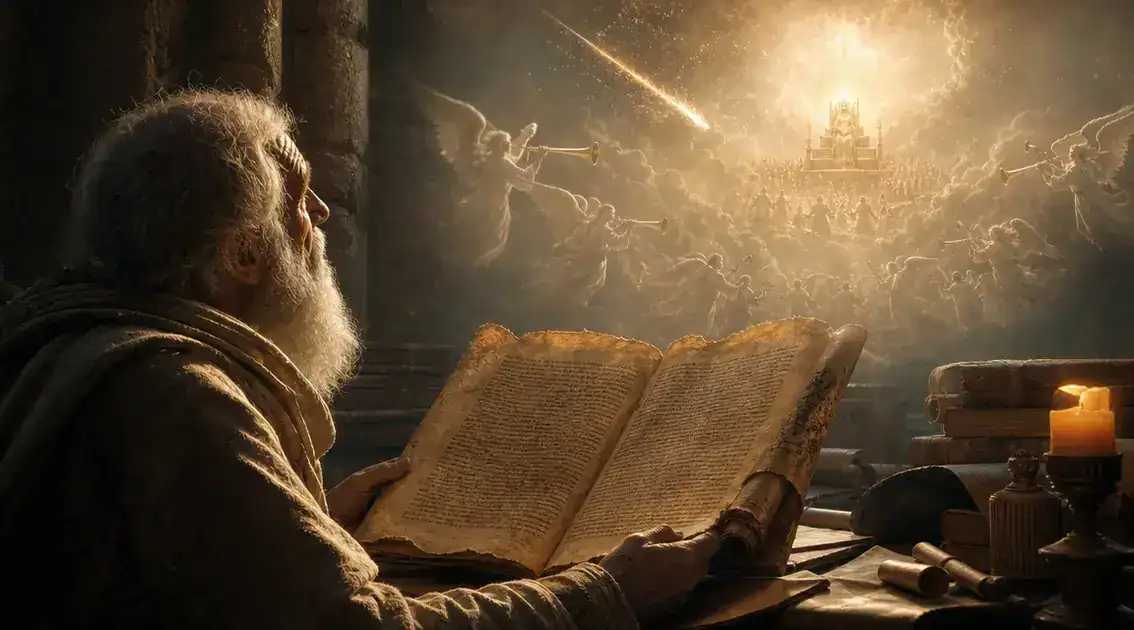
Begin by reading the visions as their first hearers would have heard them: with memory of the Old Testament, ancient images, and the sounds of temple worship. The trumpets, stars, and locusts draw on everyday signs of war, harvest, and divine summons. Noting these roots helps us resist the urge to make the symbols mean only what life today values and instead lets the text speak from its own world with clarity and weight.
Next, let theology shape how we hold those images. Prophetic pictures point to God’s sovereignty and purpose, even when they show judgment. They call us to see both justice and mercy woven together, and they remind us that the end of the story is held by a faithful Creator. Simple theological questions—who acts, why, and to what end—bring order to strange visions and keep interpretation rooted in trust rather than fear.
Finally, move from study into prayerful living. Let the images serve as a mirror for repentance, a spur to compassion, and a reason to worship. Read slowly, ask honest questions, and allow a posture of prayerful curiosity to guide you: seek understanding, live with humility, and let hope grow as you see God’s purposes in the prophetic drama.
How Revelation’s angels guide prayer, hope, and spiritual discernment
In Revelation the angels come close to the reader as companions who call us to pray. They are often seen pausing at heaven’s edge, bearing messages or opening visions that invite a quiet, honest response. When you read these scenes, imagine the angels as gentle voices that urge you to turn toward God, to name fear and need, and to keep your hands open in simple prayer.
Their presence also kindles a steady hope that is not wishful thinking but a calm trust shaped by sacred drama. Even when the trumpet cries and strange signs appear, the angels’ worship around the throne reminds us that a larger story holds all suffering. Let that image steady you: hope grows when we remember the divine care portrayed by these celestial figures and let their witness settle our hearts.
Finally, the angels help with spiritual discernment by guiding how we read signs and how we live in light of them. They do not replace our judgment but sharpen it—urging humility, prayerful listening, and attention to Scripture and community. Practically, this means pausing for silence, asking honest questions, and seeking counsel in prayer so the angels’ message shapes wise, compassionate choices in daily life.
A gentle closing prayer
May the sound of those trumpets settle as a call to quiet and not to fear. May the angels’ presence remind you that you are held, even when the world feels uncertain. Let that care be a steadying light for your steps.
Receive this vision as a gift of hope and a call to faithful living. Hold the image of worship around the throne when trouble comes. Let it teach you to turn your heart toward mercy, to choose kindness, and to keep watch with prayer.
Practice small acts of attention: a breath before action, a short prayer at morning, a moment of listening in the evening. These simple rhythms make the heavenly story real in ordinary days and sharpen your power to love well.
Go now with calm courage and quiet wonder. Carry this sacred scene into your work, your rest, and your prayers. May peace guide you, and may your hope remain bright.
FAQ – Questions about the angels, the seven trumpets, and spiritual meaning in Revelation
Who are the angels described in the book of Revelation?
The angels in Revelation appear as messengers, worshipers, and agents of God’s justice. You meet named figures like Michael (Rev 12:7) and countless heavenly hosts around the throne (Rev 5:11–12). They act to announce God’s purposes, to carry out judgments, and to lead worship, showing both God’s care and his sovereignty over history.
What do the seven trumpets represent in Scripture?
The seven trumpets (Rev 8–11) function as summonses and warnings rooted in Old Testament imagery (see Numbers 10; Joel 2). They sound stages in a divine action that both rends what is false and calls people to attention and repentance. Traditions read them as symbolic calls to see God’s justice and mercy at work in the world.
Are the trumpet judgments meant to be read literally or symbolically?
Christian interpreters have long differed. Some read the trumpets as largely symbolic of spiritual and societal upheaval; others expect some literal fulfillment. Augustine and many patristic writers favored readings that emphasize moral and spiritual meaning, while some modern scholars allow for a mix of symbolic and real events. Wise reading holds humility: study Scripture, consult the church’s tradition, and pray for discernment.
How do Revelation’s angels help shape personal prayer and hope?
Angels in Revelation often draw the reader into worship and steady hope around the throne (Rev 4–5). Their actions invite us to pray with honesty and to remember that suffering is seen within a larger divine story. Practically, meditating on their worship, naming your needs before God, and joining communal prayer can make that heavenly pattern a present comfort.
Is Michael the only archangel mentioned in the Bible?
Michael is the clearest archangelic figure in Scripture (Daniel 10–12; Rev 12:7; Jude 1:9), and Gabriel appears with specific messages (Luke 1; Daniel 8–9). Jewish and Christian tradition (including Catholic and Orthodox calendars) also honor Raphael from Tobit. Tradition thus recognizes several named angelic ministers, each with distinct roles.
How should a Christian live in response to Revelation’s apocalyptic images?
Revelation calls for worship, repentance, and faithful endurance (see Rev 2–3; 14:12). Rather than fueling fear, its images should deepen prayer, spur acts of mercy, and steady hope in God’s final purpose. Read the visions with humility, join them to daily practice—prayer, service, and community—and let them shape a life of faithful witness.