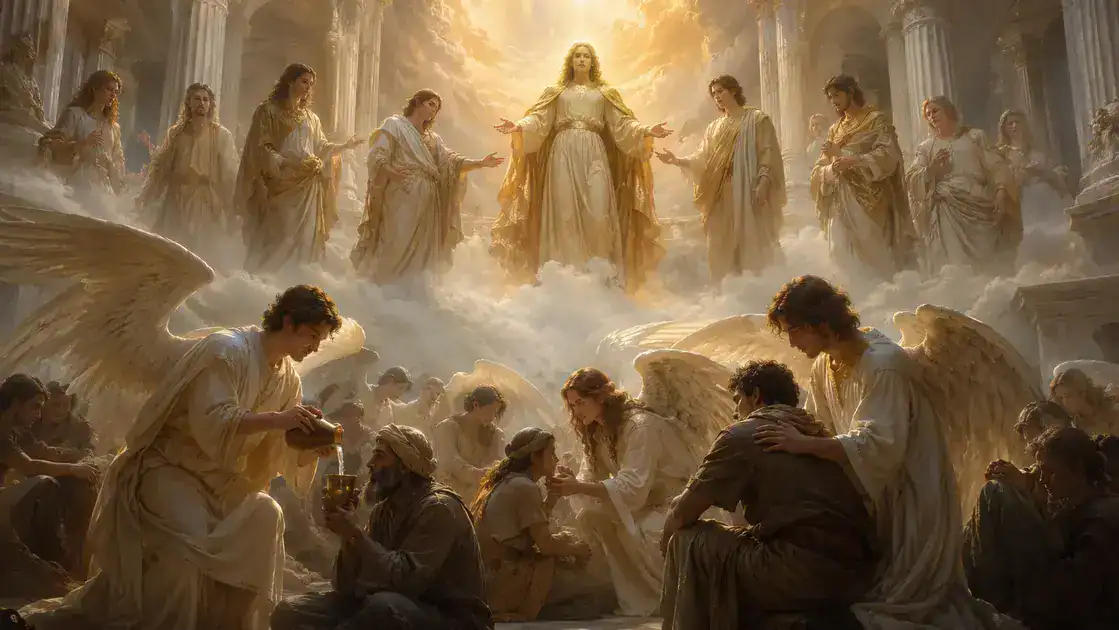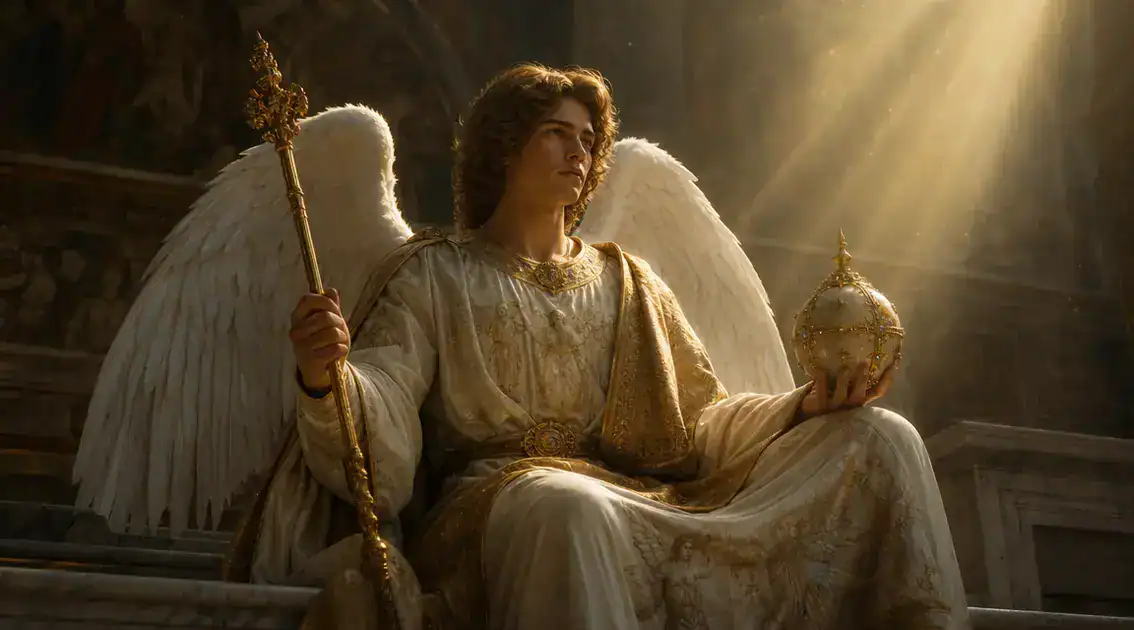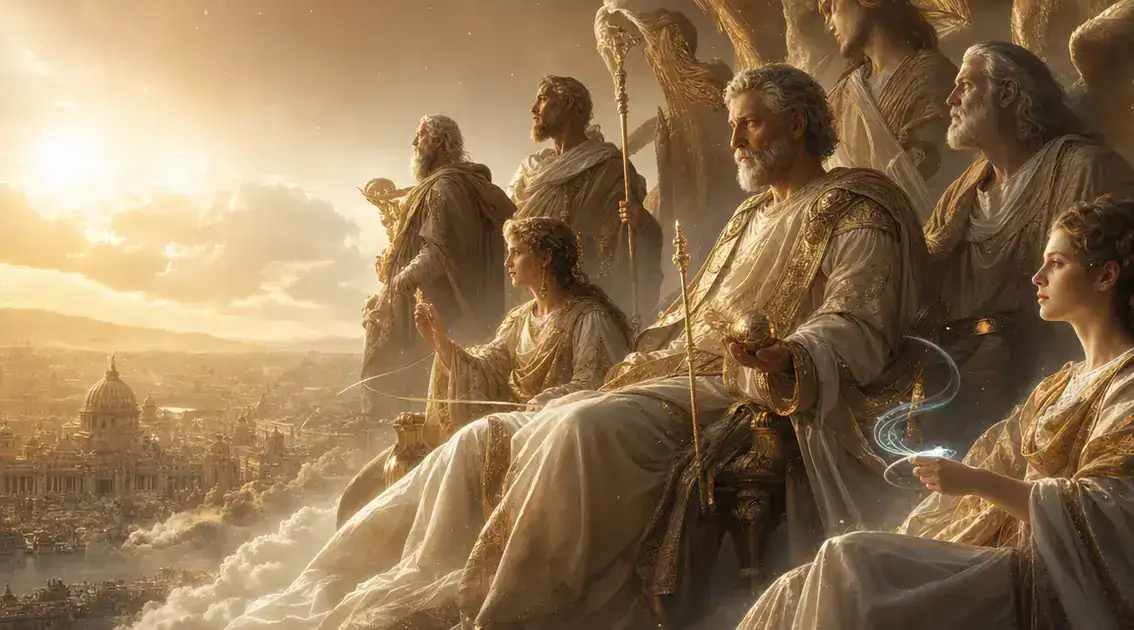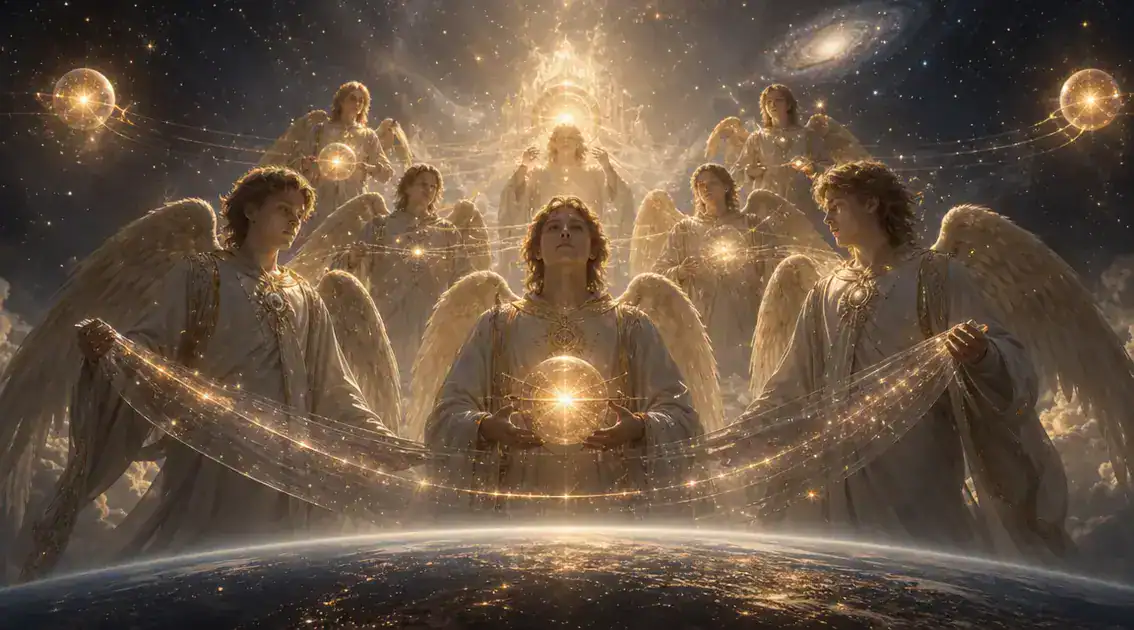
Dominions’ cosmic mission is to serve as angelic stewards who, under Christ’s authority, mediate divine order across creation—guiding nations, sustaining cosmic harmony, and channeling God’s providence into human history through prayerful oversight, liturgical echo, and quiet intervention that aligns earthly affairs with heavenly will.
dominions cosmic mission — have you ever wondered how these angelic rulers help keep the fabric of creation aligned? Join a gentle exploration that brings Scripture, tradition, and quiet reflection together.
Dominions in Scripture: traces from Daniel to Ephesians
In the book of Daniel we meet a world where heavenly beings act like rulers over nations. The prophet sees angelic figures who carry influence across kingdoms, and passages about the prince of Persia and the archangel Michael show a spiritual landscape that mirrors earthly power. These images invite us to see dominions not as distant ideas, but as part of a living drama where God’s care reaches into history through ordered, attentive beings.
When Paul writes in the New Testament, he names dominions among other ranks of spiritual reality and places them under the authority of Christ. In passages like Ephesians and Colossians, dominions are shown to have place and purpose, but they are never independent of God’s will; they serve in a grand design that centers on Christ’s supreme rule. This helps us understand dominions theologically: they are instruments of divine order, part of a cosmos kept in balance by God’s steady governance.
For the faithful, these scriptural traces invite a quiet, steady devotion. Knowing there is order beyond what we see can ease fear and sharpen prayer, not as an escape but as a call to trust and cooperation. We can look at the world and the small trials of our days with a softer awe, remembering that even unseen powers fall within God’s providence and that our prayers join a wider, ordered chorus of care.
Theological meanings: order, governance, and spiritual mediation
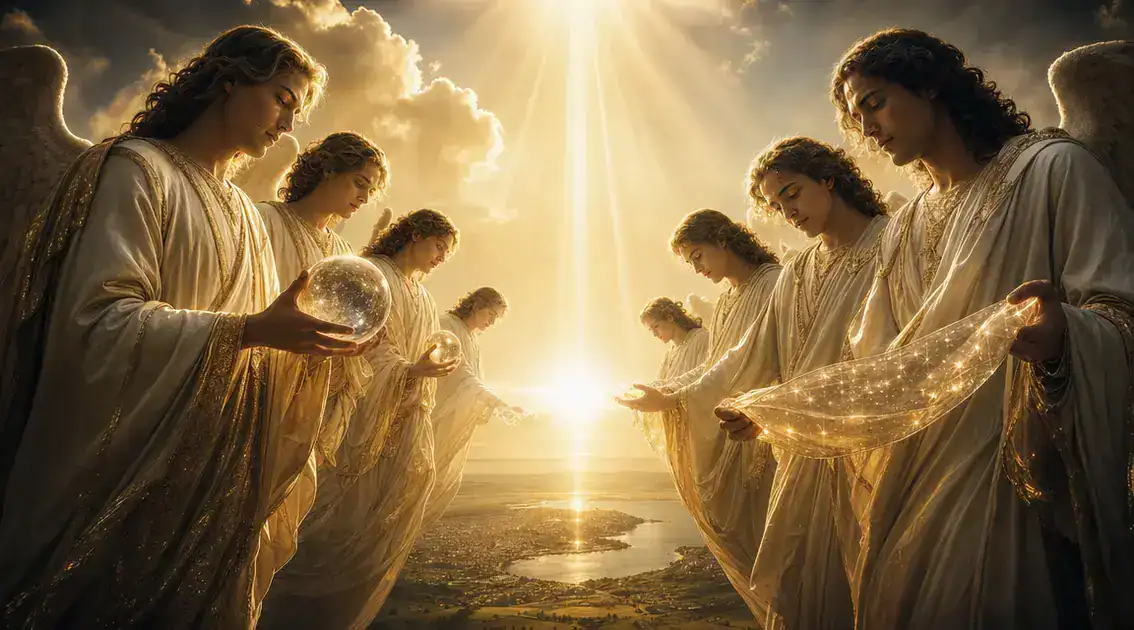
When Scripture speaks of dominions, it often uses the language of order and steady rule. These images tell us that God holds the world with care, not by chance. The idea of order helps us see creation as woven together, where seasons, nations, and daily life all find their place under a loving governance.
Dominions act as a form of spiritual mediation, bringing God’s rule into the life we know. Paul names these ranks to show they have a role, yet he points all authority back to Christ. In that way, dominions do not claim power for themselves; they serve to carry divine purpose into what we can see and touch.
This teaching moves naturally toward a quiet, faithful response: we are invited to trust the steady hand that guides both heaven and earth. Such trust does not remove responsibility; it frames our daily choices as participation in a larger order. Simple acts of prayer, mercy, and attention become ways to live in step with the governance that holds the world together.
How dominions participate in maintaining cosmic harmony
Dominions work like quiet stewards of a vast, ordered garden, tending the rhythms that keep creation steady. They help shape the seasons, guide the movements of nations, and attend to the small patterns that give life its shape. In Scripture their activity points toward a single aim: the woven peace of all things under God, a simple and profound cosmic harmony that holds both stars and human days.
They do this not by acting alone but by carrying out what is given to them within divine rule. The New Testament reminds us that every rank of heaven is subject to the one who rules all, so dominions mediate power under Christ’s authority. That truth keeps our view humble and hopeful: angels are active, but their work is always ministry, ordered to the good of creation and to God’s revealed will.
Knowing this can change how we live. When we pray, worship, or show mercy, we join a larger work that reaches beyond our sight; our small acts echo in the order they help sustain. Seeing our deeds as part of this unfolding care invites a quiet confidence—our efforts matter because they participate in a wider harmony. Let this be a gentle call to faithful presence, trusting that prayer and service tune our lives to the same grace that moves the heavens.
Liturgical and devotional reflections on the dominions
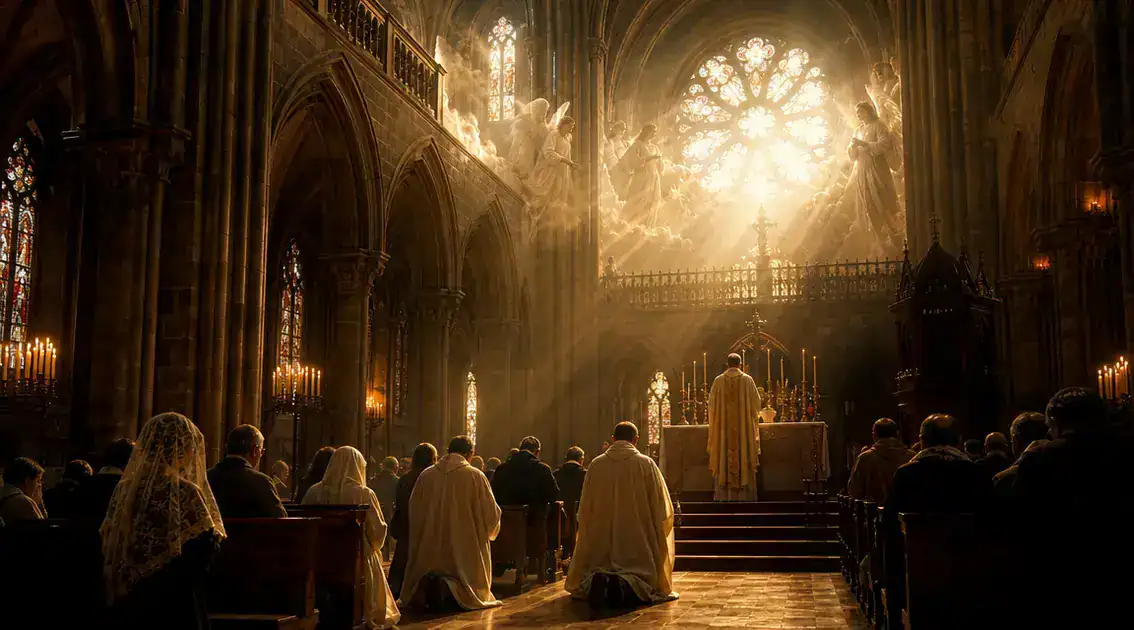
Many ancient prayers and hymns invite us to join the angelic song. The liturgy often lifts a voice like the heavenly chorus, echoing the cry of “Holy, holy, holy” and calling the faithful to a shared praise. This liturgical echo teaches that worship is not only a human act but a meeting point where heaven and earth touch in ordered devotion.
When we attend the rites, we enter a pattern that mirrors the role of dominions. Their steady care for creation finds a human expression in measured prayers, sacred gestures, and the calm rhythm of the service. This likeness helps us see liturgy as more than ritual; it is a small way to live under the same governance that holds the cosmos in balance.
Devotion to the dominions need not be ornate. Quiet practices—pausing in prayer, offering a short blessing, or holding an image of ordered beauty—can align our hearts with their work. Such acts are simple invitations to participate in a wider harmony, reminding us that our worship and service tune our lives to the gentle order God sustains through both angels and people.
Patristic and medieval interpretations: from Augustine to Aquinas
The early church fathers read Scripture with prayerful attention and saw dominions as part of God’s careful ordering. Augustine spoke of a world woven by divine care, where heavenly beings help guide human life toward the city of God. His words invite a humble trust: the unseen orders are not distant forces but participants in God’s saving plan.
Medieval thinkers then brought a careful, ordered mind to these ancient insights. Thomas Aquinas set out a clear framework that described dominions as one rank among many, each with a role that fits into the whole. He used reason to show how angelic duties relate to God’s providence, and his work helps us hold faith and logic together without losing the warmth of devotion.
Together, these voices shape a devotion that is both reflective and practical. We can read their texts, pray with them, and let the idea of ordered care shape how we act in small ways each day. Simple practices of prayer and service become a way to join the same harmony that Augustine and Aquinas described, a quiet participation in the steady rule that holds the world in place.
Practical spirituality: sensing divine order in daily life
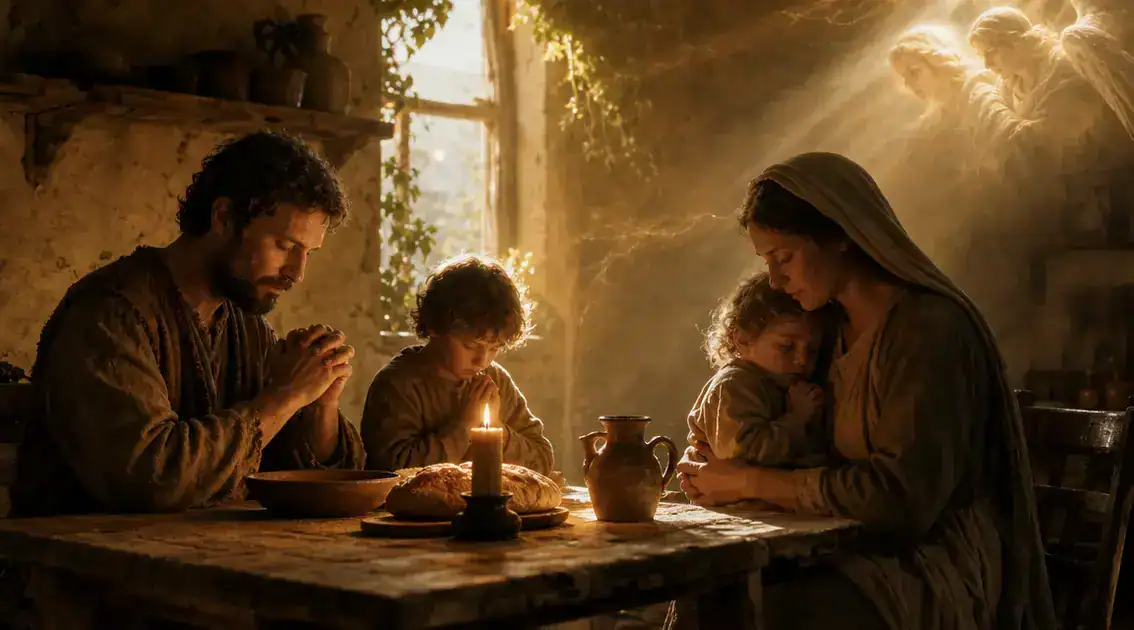
Some days feel busy and scattered, yet there are small moments that point to a larger design. When you pause and notice a breath, the light on a table, or a quiet kindness, you are touching what Christians call divine order. These simple signs remind us that the sacred is woven into ordinary life, not only into distant dreams or great events.
Prayer and attention are easy ways to join that order. A short morning blessing, a mindful pause before a meal, or a quiet act of mercy shapes our hearts to the same harmony the angels uphold. By naming our need and offering care, we are participating in the steady governance that keeps creation steady.
Try small practices that bring you back to this rhythm: notice the sky on a walk, speak a brief thanks, or breathe slowly with a short prayer between tasks. These habits do not promise loud answers, but they tune us to faithful presence. Living this way helps us move through the day with gentle confidence, trusting that our simple offerings matter in the life God orders.
A gentle closing prayer
May we go forth with a quiet sense that we are held by a steadier hand. The world is not random, and we are not cast out alone; the same care that shapes the stars touches the small corners of our days. Let the thought of that calm order steady your heart when fear or hurry comes.
Keep a simple practice close at hand: a short breath of thanks, a brief blessing before a meal, a moment to notice light on the wall. These small acts tune us to the same rhythm the angels keep and make our days part of the wider harmony. They do not demand much time, only a willing heart.
Now, in a few quiet words, offer yourself to that care. Ask for the grace to see where you can show mercy, to act with patience, and to trust that your small offerings matter. May you carry this wonder into the tasks of tomorrow, living with soft confidence and gentle praise.
FAQ – Questions about the dominions and their cosmic mission
What does the Bible mean by ‘dominions’ or ‘dominions cosmic mission’?
Scripture names dominions among heavenly ranks that help order creation (for example, Colossians 1:16 and Ephesians 1:21). Passages like Daniel 10 and 12 show spiritual beings active in the affairs of nations, and the New Testament frames those ranks within Christ’s authority. In short, dominions are described as angelic stewards who assist in carrying out God’s ordered care for the world.
How are dominions different from archangels and guardian angels?
Archangels (such as Michael and Gabriel) appear in Scripture with specific, often public missions (Daniel 10–12; Luke 1; Jude 1:9). Guardian angels are described as personal companions or protectors (see Matthew 18:10). Dominions, by contrast, are a rank focused on governance and ordering—less personal than a guardian angel, less singular in role than an archangel, yet part of the same ordered heavenly ministry (Colossians 1:16).
Do dominions act on their own, or are they subject to God?
They are always subject to God and to Christ’s supreme rule. New Testament writers place heavenly powers under Christ’s headship (Ephesians 1:20–23; Colossians 2:10). Tradition affirms that angels, including dominions, carry out duties given by God rather than acting independently, so their activity is an expression of divine providence, not autonomous power.
How did the church fathers and medieval theologians understand dominions?
Patristic writers like Augustine read the angelic orders as part of God’s ordered plan for creation and human destiny (see City of God themes). Medieval theologians, notably Thomas Aquinas, systematized angelology, treating dominions as one rank among many with specific roles in God’s governance (see Summa Theologica, Prima Pars on angels). Their work balances devotional reverence with careful theological reflection.
Is it appropriate to pray to or ask dominions for help?
Christian tradition generally directs prayer to God alone while recognizing that saints and angels can be asked to intercede or assist by God’s permission. Many believers speak to their guardian angel in prayer (Matthew 18:10) and ask for angelic help, always ultimately entrusting petitions to the Father through Christ. Avoid treating angels as independent sources of power; keep God as the final address of prayer.
How can I practically join the dominions’ work of maintaining order in daily life?
Simple spiritual practices tune us to the same ordered care angels uphold: regular prayer, brief moments of gratitude, attentive acts of mercy, and participation in liturgy that echoes the heavenly song (Isaiah 6; Revelation 4–5). These practices cultivate trust, steady choices, and small acts of service that help weave our lives into the wider harmony God sustains.