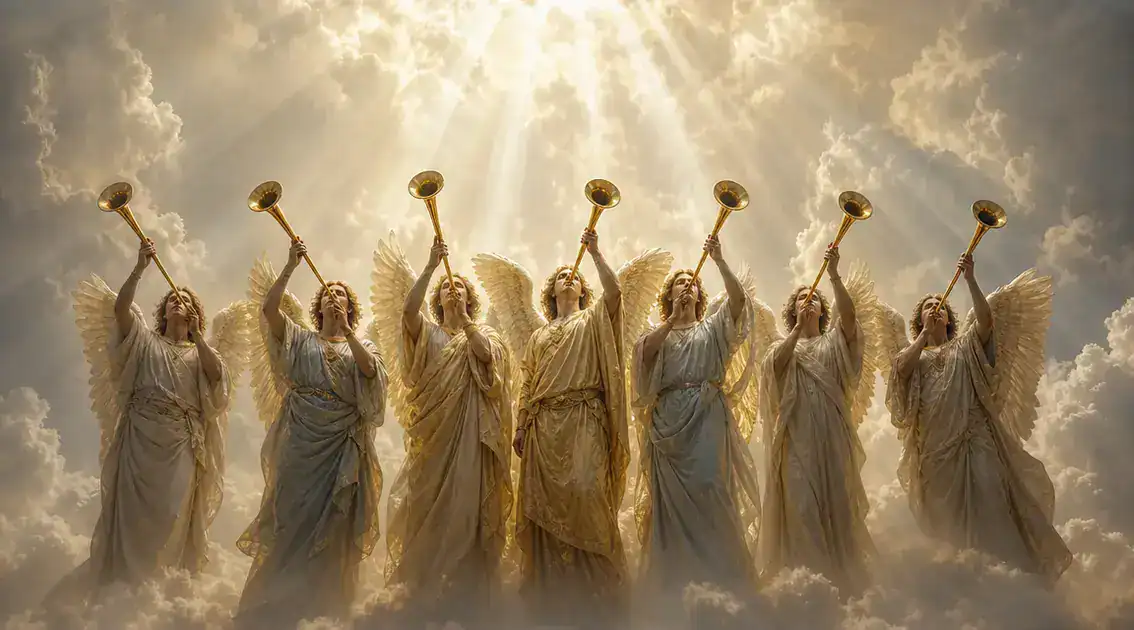

Angel of the Third Secret of Fatima refers to the heavenly messenger who appeared to Lucia, Francisco, and Jacinta, teaching prayer, penance, and small sacrifices; tradition and Church discernment present this visitation as a pastoral, Scripture-aligned call to conversion, the rosary, sacramental life, and humble acts of mercy that deepen Christian faith.
Have you ever wondered about the angel of the third secret of fatima — that brief, luminous presence reported at Cova da Iria? I invite you to listen with curiosity to a story that still stirs prayer and reflection.
Historical context of the Fatima apparitions
In the years around 1917, Portugal felt the strain of war, social change, and deep village faith. At Cova da Iria, three shepherd children began to share a luminous experience that drew neighbors, curiosity, and prayer. Their tale arrived in a moment when people longed for signs of comfort and a gentle reminder of God’s presence.
Lucia, Francisco, and Jacinta were simple children raised close to family devotions and the rhythms of the land. They described an encounter that asked for small, everyday acts of fidelity and care for others. The message they received stressed prayer and penance in a way that echoed the practical call of the Gospel — a call meant to shape hearts, not headlines.
TheFatima events sit within a wider biblical pattern of heavenly messengers who urge repentance and trust. Like prophets and angels in Scripture, the appearances combined intimacy with an urgent pastoral concern. Over time the Church discerned these reports with charity and careful study, and the story of Fatima continues to invite believers into a calm, living hope rooted in prayer and mercy.
The angel in early accounts: what the children described

The children spoke of a gentle presence that felt both near and holy. They described a humanlike figure bathed in soft light, who spoke with a calm, clear voice and moved without hurry. The scene they recalled was simple and intimate, not theatrical — a quiet meeting that asked the heart to listen.
What the angel said focused on everyday faith: to pray, to offer small sacrifices, and to seek God with sincerity. In their telling, the visitor taught short prayers and urged them toward mercy for others. This emphasis on prayer and penance echoes the steady call of Scripture, where messengers often invite people back to faithful living.
The encounter changed the children’s prayer and posture in life. They returned to their fields with a new seriousness about prayer and a tender concern for sinners. In that way the angel acted like biblical messengers who bring exhortation and solace; the account invites us to receive the same simple, steadfast discipline of devotion in our daily walk.
Theology of angels: how tradition reads the Fatima messenger
The Christian tradition describes angels as created, spiritual beings who stand near God and help us on the path of faith. They often act as gentle messengers and helpers—ministering spirits—sent to encourage prayer, strengthen the weak, and point hearts toward God. Seeing the Fatima messenger through this lens helps us understand the visit as pastoral rather than sensational.
When theologians read the Fatima accounts, they place the angel within the same story as Scripture: angels do not replace Christ but lead us closer to him. The messages given to the children—short prayers and a call to small sacrifices—mirror the Gospel’s constant call to repentance and humble devotion. This makes the apparition less about extraordinary signs and more about renewing ordinary faithfulness.
Spiritually, the presence of an angel reminds believers that God cares in tangible ways and invites cooperation in grace. The angel’s tone at Fatima urges simple, steady practices: prayer, acts of mercy, and openness to conversion, grounded in Church life and the sacraments. Embracing that invitation calls for humility and charity, a readiness to live the Gospel in small, persistent acts each day.
Connections with Scripture: biblical echoes in the visions

The Fatima visions find clear echoes in Scripture, where heaven often speaks through messengers to call people back to faith. Angels in the Bible bring news, comfort, and a call to right living, and the tone of the Fatima angel—simple, urgent, and tender—fits that long scriptural pattern. Seeing the apparition this way helps us read it as part of God’s habit of guiding ordinary lives toward holiness.
Consider familiar Gospel scenes: the Angel Gabriel at the Annunciation brings news that points to Christ, and the angels who visit the shepherds at Bethlehem bring both wonder and a summons to worship. Prophetic passages also feature heavenly voices urging repentance and renewed trust. These biblical moments show angels not as isolated spectacles but as instruments of God’s pastoral care, inviting real change in daily life.
When we trace these echoes, the Fatima messages of prayer, sacrifice, and mercy become less a curiosity and more a familiar invitation to live the Gospel. The angel’s guidance nudges us toward prayer and penance as paths of healing and renewal, always aiming to draw hearts closer to Christ. Such a reading keeps the vision rooted in Scripture and in the Church’s life of prayer.
How the message shaped devotion and prayer practices
The Fatima message moved quickly from a private vision to a pattern of daily devotion that people could hold close to their homes and hearts. Many found a steady anchor in the rosary, making its repeated prayers a simple, steady way to enter into the mystery of Christ through Mary. The children’s example — teaching short, clear prayers and inviting quiet sacrifices — helped the rosary feel like a practical pathway back to God rather than a distant ritual.
Over time the call at Fatima shaped practices both public and private: pilgrimages to Cova da Iria, processions, and a renewed love for the Eucharist and confession. Devotional forms such as the First Saturdays and the consecration to the Immaculate Heart found new life, not as superstition but as disciplined ways to cultivate prayer and compassion. These practices invited people into a rhythm of reparation, mercy, and humble trust.
At the level of daily living, the message encouraged small, steady choices: family prayer at the table, a quick offering of one’s discomfort, a rosary on a busy afternoon, or an act of charity toward a neighbor. Such habits make faith ordinary and durable, showing how prayer and penance can become expressions of love rather than mere obligation. In this way Fatima’s influence continues to form hearts toward attentive prayer and gentle service.
Interpreting the mystery: prudence, prophecy, and living hope

Reading a sacred mystery well calls for calm attention and patient judgment. The Church has long practiced careful inquiry, listening to witnesses, testing facts, and holding spiritual experience within the life of prayer. This attitude of prudence protects faith from rash claims and helps the community weigh what is truly of God with charity and clear thinking.
Alongside careful discernment, there is a prophetic rhythm to the message that asks hearts to turn. Prophecy in Scripture often appears as a call to conversion, mercy, and renewed trust in God, not as a secret code to be cracked. When we see the Fatima account in that light, its warnings and invitations become pastoral prompts meant to heal and restore, urging practical change in how we pray and love.
These two movements — careful discernment and prophetic appeal — meet in a hopeful way that shapes everyday faith. The mystery invites a living hope rooted in prayer, the sacraments, and small acts of charity. By choosing humble obedience, steady prayer, and acts of mercy, believers let the message become a quiet source of courage and grace in daily life.
A prayer to carry the message
May the gentle presence we have listened to linger with you in ordinary moments. May it draw you toward simple acts of love, calm your fears, and steady your heart for each new day.
Let us answer with small, faithful steps: a short prayer, a kind word, a quiet sacrifice. These are not grand gestures but the very way grace grows—through prayer and mercy made visible in our daily choices.
Keep this mystery as a source of living hope, a light that asks not for spectacle but for humble obedience and charity. In small things, faith becomes steady and true.
Go forward in peace, attentive to prayer, ready to forgive, and open to the gentle work God does through simple devotion. May this calm invitation shape your days and bring quiet joy to your journey.
FAQ – Questions about the angel of Fatima and spiritual meaning
What was the angel at Fatima and how did he speak to the children?
The children described a gentle, humanlike messenger who taught short prayers and urged prayer and small sacrifices. This fits the biblical pattern of angels as messengers who call people to faith and repentance (see Luke 1:26–38; Luke 2:8–14). The angel’s tone at Fatima was pastoral—inviting humble devotion rather than seeking spectacle.
Has the Church accepted the Fatima apparitions and the angel’s role?
After careful local investigation, the Church officially recognized the Fatima apparitions as worthy of belief in the decades after 1917. That recognition followed witness testimonies, pastoral review, and discernment of spiritual fruits. The Church treats such private revelations with prudence, confirming their pastoral value while avoiding rash claims.
What is the “Third Secret” and has it been revealed by the Vatican?
The Vatican published its official text and commentary on the Third Secret in 2000, presenting a vision that the Holy See interpreted in a pastoral way—calling for conversion, prayer, and perseverance amid suffering. Popes and Church documents have linked the message to a call to repentance and trust in God rather than to a single, sensational prediction. Some faithful still discuss details, but the Church’s public explanation emphasizes pastoral reading and hope.
How should a Christian respond to the angel’s message today?
Responding means deepening prayer, practicing acts of mercy, and living repentance in ordinary choices. Scripture urges conversion and baptismal renewal (e.g., Matthew 4:17; Acts 3:19), and the devotional responses encouraged at Fatima—rosary, Eucharist, confession, and concrete charity—are ways to answer that call in daily life. The aim is growth in love and holiness, not fear.
Can non‑Catholics find spiritual value in the Fatima accounts?
Yes. The core invitations—prayer, mercy, humility—are rooted in Scripture and Christian tradition, accessible to many believers. The Church also teaches that private revelations do not add to the deposit of faith and are not required beliefs; they can, however, offer helpful devotional guidance for those who find them spiritually fruitful.
What kinds of evidence support belief in the Fatima events?
Belief rests on several strands: the consistent testimony of the children, widespread contemporary witnesses to events such as the “Miracle of the Sun,” the lasting spiritual fruits (conversions and devotion), and the Church’s pastoral investigations. Ultimately the Church weighs both factual reports and the spiritual fruits produced among the faithful when discerning authenticity.