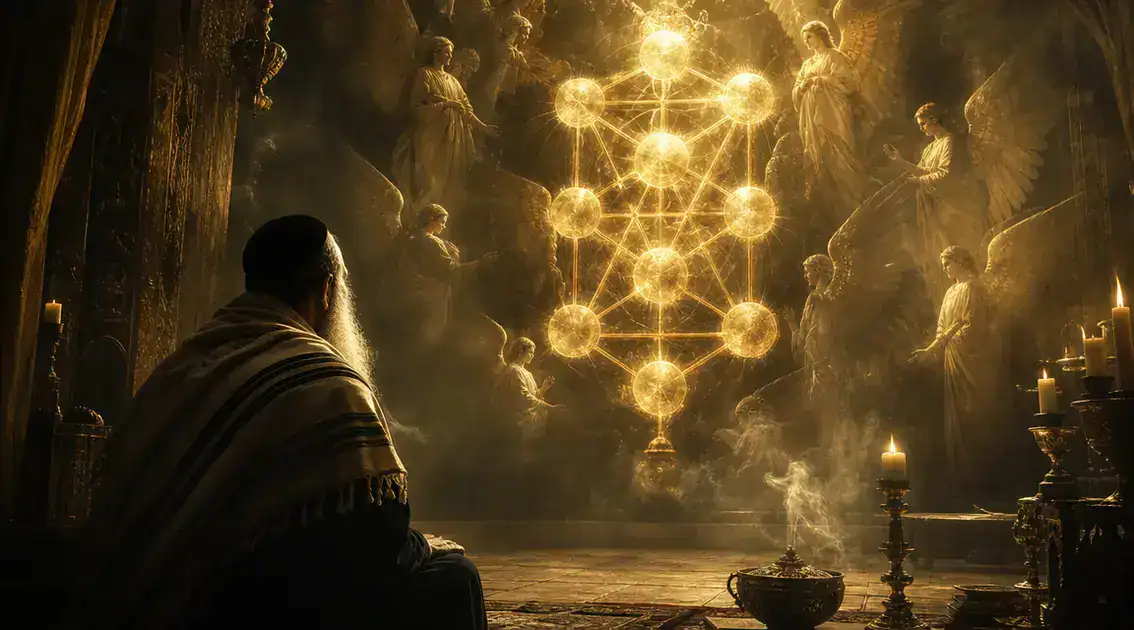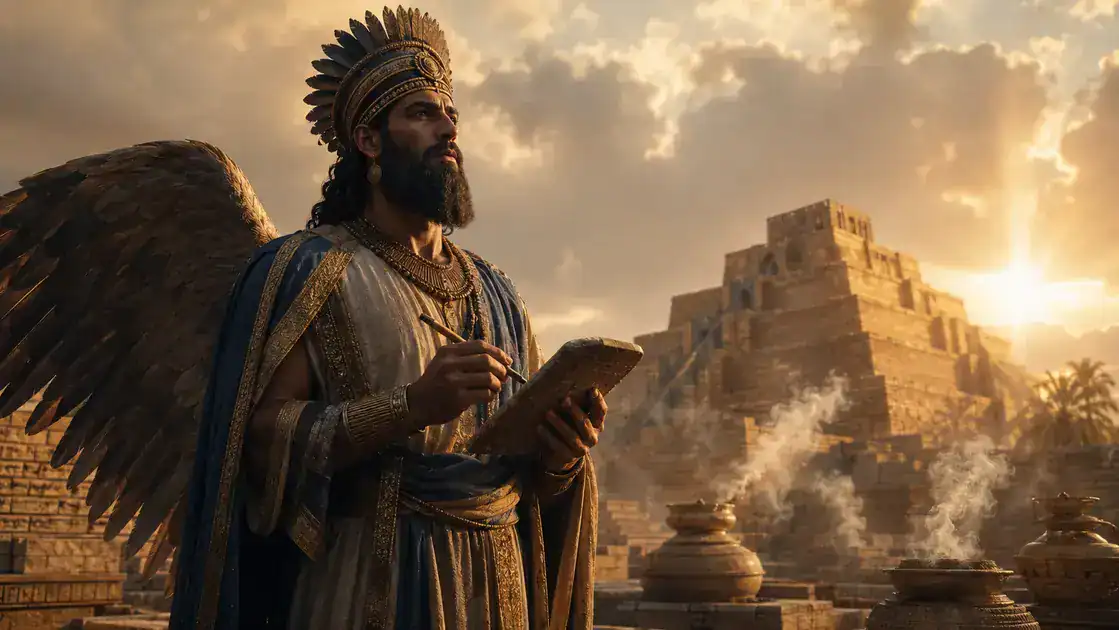

Angels in ancient Mesopotamia were understood as divine messengers and wisdom intermediaries—figures like the Apkallu who conveyed ritual instruction, omens, and protective rites to kings, priests, and households, shaping communal worship and law and later informing Jewish and Christian angelology while pointing toward attentive listening and devotion.
angels in ancient mesopotamia — have you ever wondered how these messengers impressed themselves on temple steps, royal courts, and the clay tablets of daily life?
Apkallu and the role of divine intermediaries in Mesopotamia
The Apkallu were known as ancient sages and messengers who stood between the gods and the city. They moved through temple courts and royal halls, carrying patterns of wisdom, rites, and law. In the clay tablets and reliefs they appear not as remote myths but as living channels of divine counsel who helped shape how people listened for the sacred.
These intermediaries taught kings how to rule with care, guided priests in precise ritual, and guarded households with rites of protection. Their presence is felt in spells, prayers, and lists of ritual acts that brought a sense of order and safety. When a priest spoke an incantation or a ruler consulted a tablet, the Apkallu’s guidance was woven into the voice and gesture of the moment.
To study the Apkallu is to learn a way of listening and tending. Their example invites a gentle devotion: attending to wisdom as a daily practice and honoring small rites that hold a community together. This view offers a quiet bridge for modern spiritual life, where the sacred is discovered in teaching, care, and faithful ritual rather than only in dramatic signs.
Signs, dreams and oracles: how messages reached kings and people
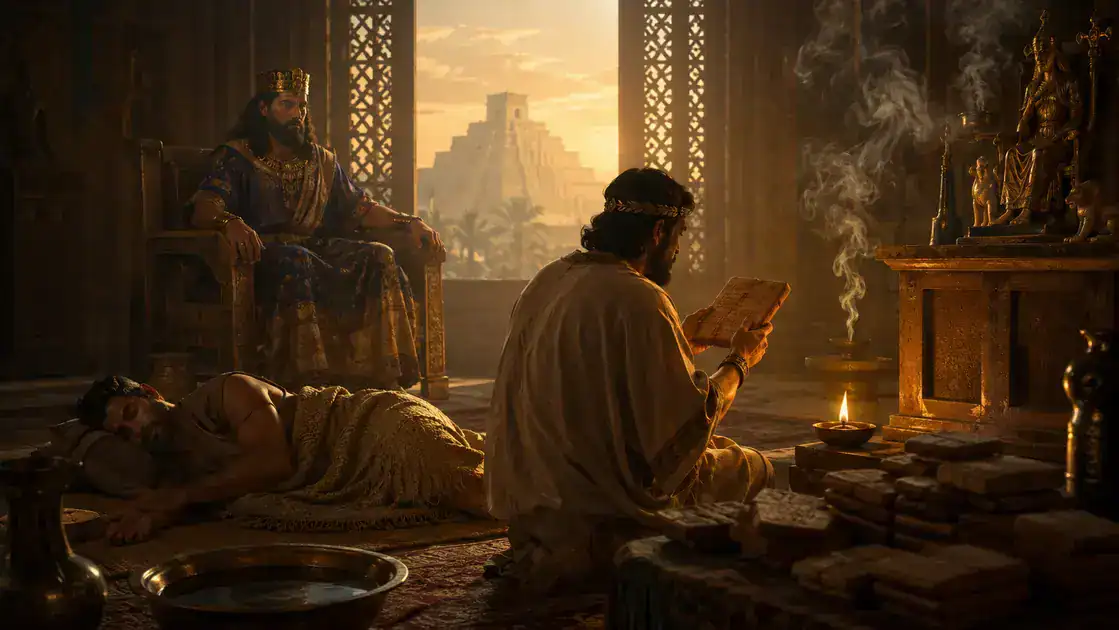
In ancient Mesopotamia gods often spoke through signs, dreams, and oracles, and people learned to listen with care. Priests, seers, and temple scribes watched the sky, inspected the liver of a sacrificed animal, and recorded patterns on clay. These acts were not mere technique; they were ways of attending to the sacred presence that touched daily life, turning small events into guidance for a whole city.
Dreams held a special place because they felt intimate and direct. People would sleep in temple courtyards or beside a shrine to invite a vision, and trained interpreters would shape what followed into practical counsel. Kings asked for signs before major decisions, and priests compared dream images with written omen lists to find meaning. The work of interpretation was both a craft and a devotional task, where memory, care, and humility met the voice of what was larger than any one person.
This ancient habit of listening still offers a quiet spiritual lesson: learn to wait, notice small lights, and seek wise voices before you move. When communities honor careful interpretation, they act with more compassion and thought. Attentive listening becomes a simple devotion, a daily way to make choices grounded in reverence rather than haste.
Visual language of messengers: wings, scrolls and ritual symbols
Wings appear again and again in Mesopotamian art as a quiet shorthand for movement between worlds. Carved reliefs show feathered limbs that suggest speed, care, and a protective reach over a city or king. When you look closely, the wing is not just a decoration but a promise: the messenger moves swiftly so that the gods’ voice can arrive whole and timely.
Scrolls and clay tablets functioned as the messenger’s voice made visible. A priest or sage might hold a tablet like a living message, and the reed stylus became the instrument that fixed a word in time. These objects carried memory and authority; they reminded people that a message was both heard and kept, a bond between heaven and household that could be read aloud in ritual or law.
Together with incense bowls, ritual rods, and patterned textiles, these symbols formed a language people could enter with their bodies and senses. Objects, touch, and gesture made the divine close rather than distant, inviting attention and care. In this way the visual language of messengers taught a simple devotion: learn to recognize signs, honor the act of bearing a word, and let symbols lead you into attentive listening rather than quick judgment.
Parallels with biblical angels: points of contact and difference
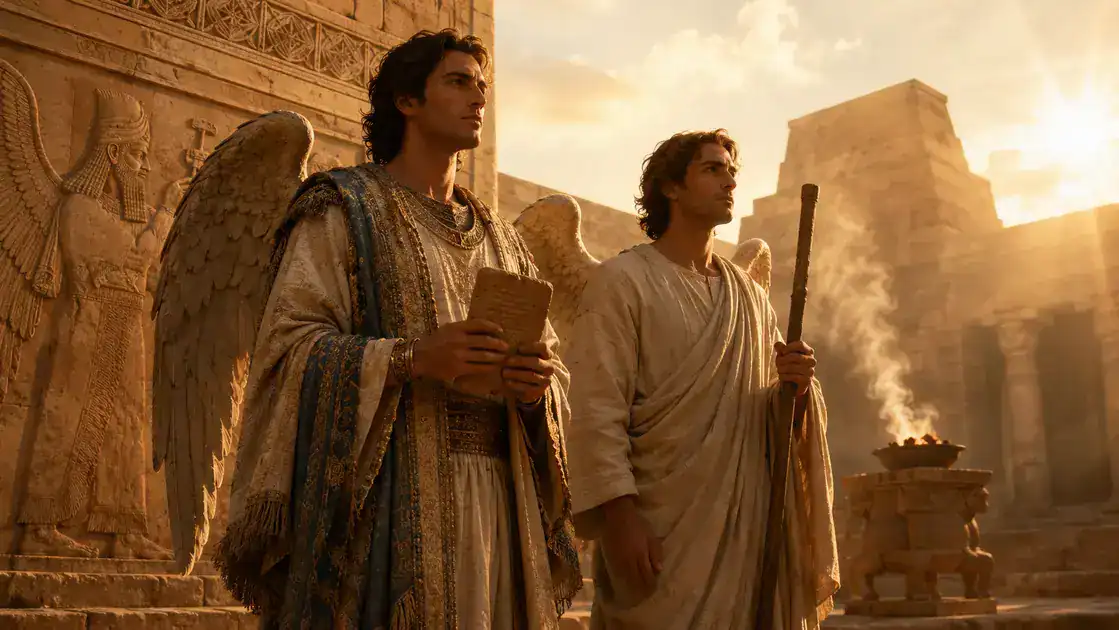
Both Mesopotamian messengers and biblical angels serve as bridges between heaven and earth, brought near to people in moments of need. In reliefs and tablets we see winged figures, and in Scripture we read of angels arriving with a word, a warning, or a gift. These figures share a simple function: they carry a message that asks a listener to pay attention and to act with care.
Yet their roles sit in different theological worlds. Mesopotamian intermediaries often teach ritual, law, and craft as part of a many-god order, while biblical angels are agents of one living God, sent to serve his purposes. The Bible repeatedly reminds its readers not to make intermediaries into objects of worship; instead, angels point us back to God. This difference shapes how each tradition treats authority, obedience, and the proper posture before the divine.
For devotional life today, these parallels and contrasts offer a humble lesson: learn from the reverence both traditions show for sacred speech, but keep the focus rightly ordered. Honor the role of guides, teachers, and protectors, yet let our devotion be directed to the source of every true message. In practical terms this means practicing attentive listening, seeking wise counsel, and responding with quiet obedience rather than turning the messenger into the final destination.
Influence on later Jewish and Christian angelology
Over time, the shapes and roles of Mesopotamian messengers found new life within Jewish and Christian imagination. Traders, scribes, and exiles carried images and stories across borders, and artists and writers adapted them to fresh beliefs. What was once a many-god setting became reframed in communities that worshipped one God, so familiar motifs took on new meaning rather than disappearing.
In Scripture, winged beings like cherubim and seraphim appear as protectors and worshipers, and these images echo the older visual language of divine intermediaries. Yet the story shifts: angels in Jewish and Christian texts are shown as servants of the one living God, not as independent powers. This theological turn keeps our devotion focused on God while using familiar symbols to help us see and pray.
That long conversation between cultures can deepen our prayer today. We can honor the care with which ancient peoples named the holy and used art to invite attention. Let these shared images remind us to listen, to respect tradition, and to let every messenger point us back to the source of truth and mercy rather than becoming an end in themselves.
Devotional reflections: encountering ancient messengers today
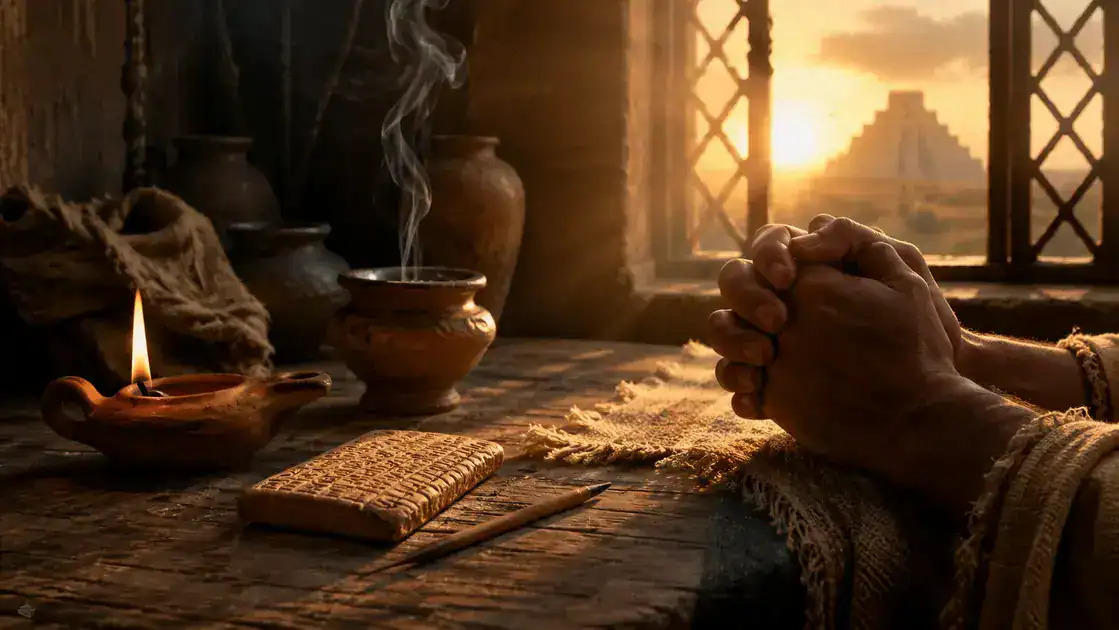
Imagine pausing at dawn to light a small lamp and place a clay replica on a simple table. The gesture is quiet and steady, a way to train the heart to notice again. People long ago arranged objects, scent, and silence so they could hear what mattered; when we copy that care, we begin to make space for gentle guidance in our own days.
Try short practices that fit your life: a single breath prayer, tracing the edge of a clay tablet or bead, or listening to a friend’s story with full attention. These are not tricks but ways of forming the soul for attentive listening. Often messages arrive as small signs—a dream remembered at breakfast, a neighbor’s timely word, a sudden call to mercy—so the practice trains us to receive them with humility and gratitude.
Share the habit with others by keeping a humble focal point in a home or meeting place and speaking aloud what you noticed during the day. When a community honors small acts of attention, those ancient messengers feel present again—not as distant wonders but as calls to care. In that steady practice, devotion becomes daily craft: patient, gentle, and rooted in service rather than spectacle.
A gentle prayer
May the quiet messengers who moved through temple courts and clay tablets walk softly with you today. May their steady footsteps remind you that the sacred often arrives in small, ordinary moments.
Practice a simple act of attention each morning—light a lamp, breathe, or hold a small object—and let it shape your day. These little rituals teach us attentive listening, so we learn to hear what calls for care, courage, or mercy.
Share what you notice with a friend or neighbor and let your community grow in tenderness. When we honor small signs together, devotion becomes a life of service rather than a search for spectacle.
May peace settle on your heart, and may wonder guide your steps. Go gently, remembering that every true messenger points us back to the source of mercy and light.
FAQ – Questions about ancient Mesopotamian messengers and biblical angels
Were the Apkallu the same as the angels I read about in the Bible?
Not exactly. The Apkallu were wisdom-figures and ritual intermediaries in Mesopotamian tradition who taught skills, rites, and protective practices, while biblical angels are portrayed as servants sent by the one God to deliver messages or carry out his will (see Daniel, Luke 1). Both serve as bridges between the sacred and everyday life, but they arise from different religious worlds and theological commitments.
How did signs, dreams, and oracles in Mesopotamia shape the prophetic practice found in Scripture?
Ancient Near Eastern cultures shared habits of careful interpretation—dream incubation, omen lists, and ritual reading—that helped shape a common language for divine communication. Biblical prophets and visionary texts also value dreams and signs (for example, Daniel and many prophetic visions), but the biblical frame names a single God speaking through those means and tests messages by scripture and community practice.
Can I adopt Mesopotamian devotional practices today as a Christian or Jew?
Yes, with discernment. You can learn from their attentive habits—regular quieting, using simple focal objects, and communal interpretation—while keeping theological convictions clear: prayer and devotion should point to God alone. Adapt practices that cultivate attentive listening and humility, but avoid importing polytheistic rites or treating intermediaries as ultimate objects of worship.
How can I tell whether a message or dream is truly from God and not just my own thought?
Scripture and tradition offer tests: does the message align with Scripture, lead to love and obedience, and bear good spiritual fruit (see 1 John 4:1 about testing spirits)? Seek counsel in community, pause in prayer, and watch for confirmation in humble acts of service. True messages tend to draw you deeper toward God and neighbor rather than toward self-aggrandizement.
Did ancient messengers actually use objects like tablets and scrolls to communicate with people?
Objects like clay tablets, scrolls, and ritual tools served as tangible signs of a message’s authority in ancient settings. In the Bible, angels also give concrete signs—think of Gabriel’s clear announcements in Luke 1—so physical media often symbolized that a sacred word had been fixed and could be read, remembered, and enacted in ritual and life.
How do I honor angels or messengers without worshiping them?
Scripture models the right posture: receive the aid or message with gratitude but direct worship to God alone (see Colossians 2:18 and Revelation 22:8–9, where worship is refused and given to God). Use angels and messengers as guides that point you back to God; keep prayer rooted in Scripture and community so devotion remains rightly ordered.