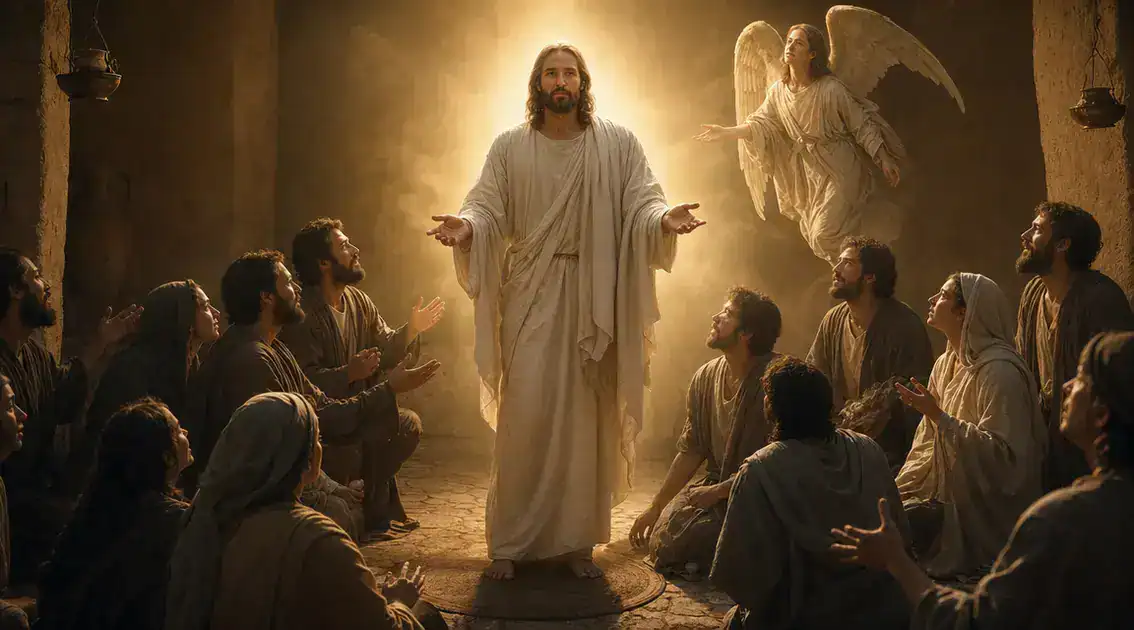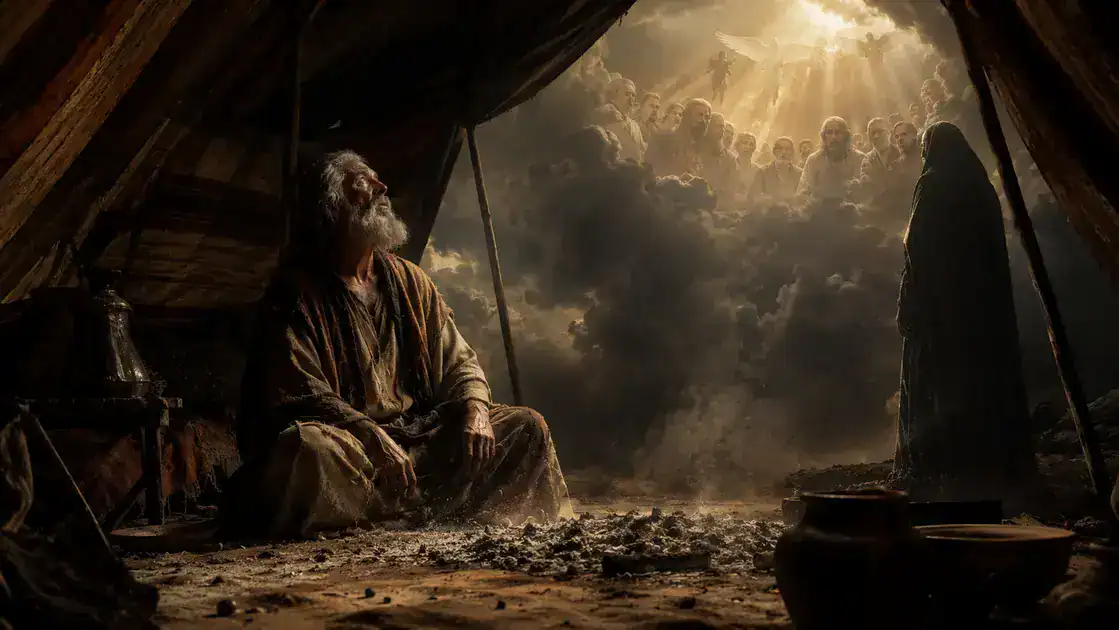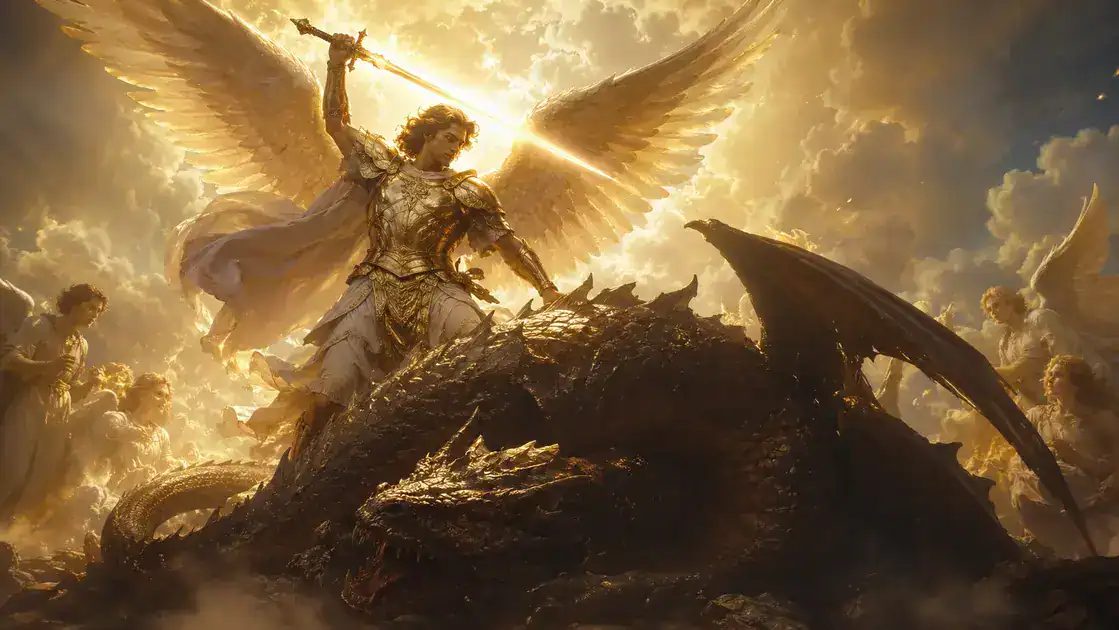

Fallen angels (Book of Enoch, Genesis 6) describe heavenly beings who transgress their created order, whose union with human women produces the Nephilim and prompts divine grief and judgment, shaping ancient Jewish and early Christian reflection on sin, boundary, and God’s merciful justice.
fallen angels book of enoch genesis 6; Have you ever felt a verse open into a larger world? Walk with me through the short, strange passage in Genesis and the ancient Book of Enoch, listening for how these stories invite wonder, caution, and spiritual insight.
Genesis 6: the text and its immediate context
The brief lines of Genesis 6 present a quiet, strange scene: the sons of God saw the daughters of men and took them, and the text names the Nephilim as part of that moment. The wording is sparse, almost elliptical, which leaves room for wonder rather than easy answers. Because the passage is short, it asks the reader to slow down and sit with the picture it paints — a crossing of boundaries and the sudden sense that things have begun to tip toward disorder.
Immediately before and after this verse the narrator gently widens the view: human life multiplies, but so does wrongdoing. The earth is said to be filled with violence and corruption, and the voice of the story responds with sorrow. That grief is not a distant moral lesson; it is the narrative hinge that leads to the deluge and to God’s decision to preserve a remnant through Noah. Reading these lines in their context shows a pattern: an intimate moment in a broken world and a divine response shaped by both justice and care.
For devotional reading, Genesis 6 invites calm attention more than quick judgment. We are asked to notice human failure and to feel the weight of God’s grief and mercy together — sorrow over what is lost and a determination to save what can be saved. Let this passage teach patience: the text holds mystery, warns of the cost of violence, and points us toward the care that precedes covenant. In that gentle tension we find a spiritual doorway, not a tidy answer.
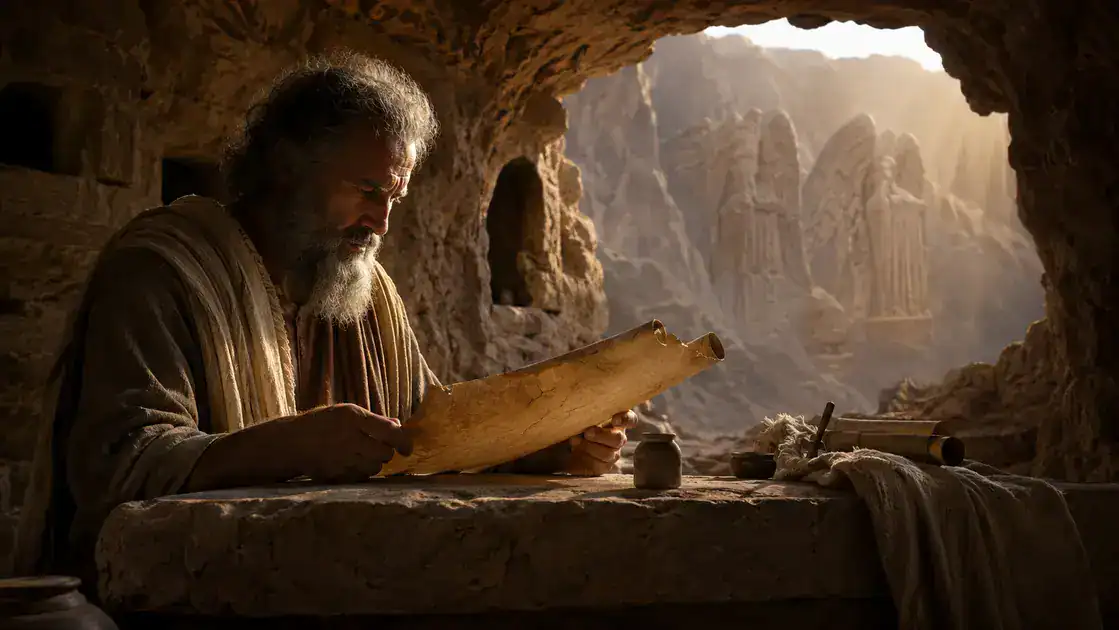
The Book of Enoch comes to us as a collection of ancient Jewish writings that bear the name of Enoch, the antediluvian figure who is said to have walked with God. These texts were formed over time, gathered into distinct sections that carry different tones and purposes. Because they span centuries, they show a lively religious imagination at work, trying to name hidden realities like the stars, the angels, and the causes of human violence.
Scholars note that the book was not written by a single hand but was compiled by several communities who cared for these traditions. Its largest section, often called the Book of Watchers, tells the story of angelic beings who overstep their place and the strange offspring called the Nephilim. Other parts give cosmic calendars, visions, and moral exhortations. Early readers used these texts to think about evil, divine order, and the rise of corrupt powers in the world.
Spiritually, the book widened how many Jews and some early Christians pictured the unseen realm. The letter of Jude echoes its language, and its imagery helped shape early angelology and hopes for divine justice. For devotional readers today, the work invites careful wonder: it warns against secret knowledge divorced from humility, yet it also points to God’s justice and mercy that restore order. Read with prayer, the text can deepen awe without dispensing easy answers, calling us toward repentance, wisdom, and trust in the one who sustains all things.
Who were the Nephilim? biblical descriptions and interpretive traditions
The name Nephilim appears in a few brief, haunting passages and leaves much unsaid. Genesis frames them at a moment when the “sons of God” met the “daughters of men,” and the image stands there like a quiet question. Later echoes in the story of the spies and the Anakim keep the memory alive, so readers across ages have paused to ask who these figures really were.
Readers and teachers have answered that question in different ways. Some translations call them giants, a way to speak of great size or great fame. Other voices prefer the sense “fallen ones,” drawing on the root of the word and suggesting moral collapse rather than mere stature. Still others read the scene as the offspring of heavenly beings and human women, a reading that shaped old traditions like the Book of Enoch and the early imagination about angels and limits.
For devotional readers, the point is less about cataloging creatures and more about spiritual care. The stories warn us about blurred boundaries, unchecked power, and how small choices widen into harm. Let the Nephilim prompt humility: they are a mirror of human failure and a reminder of God’s justice and mercy that calls people back from ruin. In that shared grief and hope, the ancient lines ask us to attend, repent, and trust again.
How Jewish and Christian interpreters shaped the Nephilim narrative
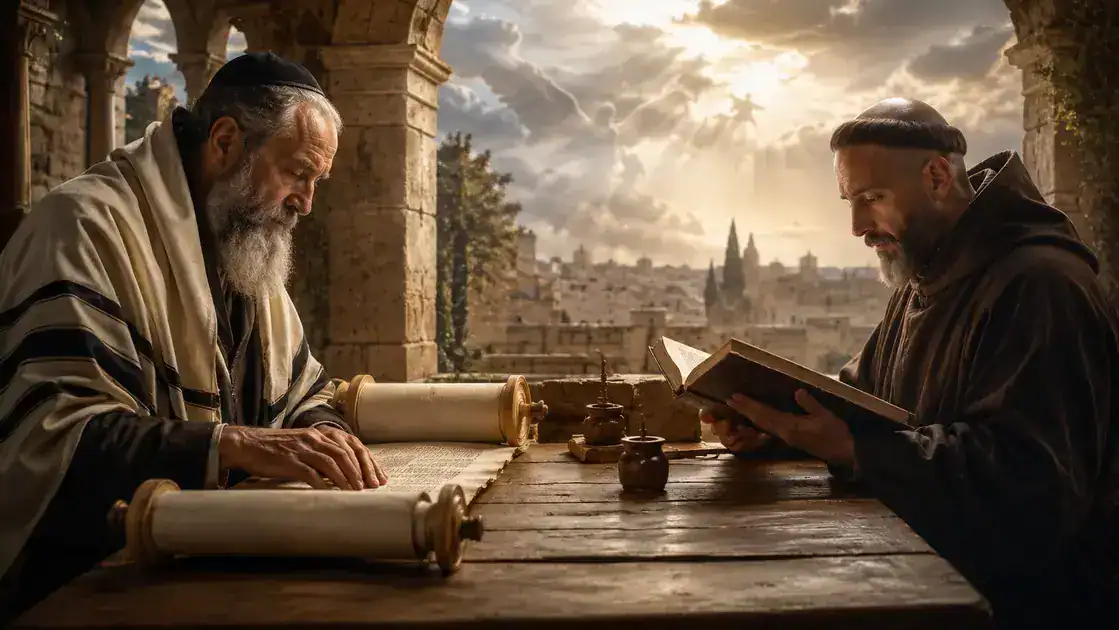
Across Jewish communities, the short lines about the sons of God and the Nephilim opened a wide conversation. In the Second Temple period, writings like the Book of Enoch expanded the story, offering vivid scenes of angelic missteps and their consequences. Later rabbinic voices often moved between literal and moral readings, some treating the passage as a memory of strange beings, others as a warning about pride and corrupt power.
Christian interpreters likewise brought a range of responses. The author of Jude echoes Enoch’s language, and some early Church teachers drew on these traditions to speak about angels, judgment, and the need for holiness. Over the centuries, pastors and scholars offered different lenses: some emphasized supernatural beings, others read the text as poetry about moral collapse, and still others focused on pastoral lessons about repentance and watchfulness.
For devotional readers today, these streams invite gentle humility. The variety of interpretations reminds us that holy texts carry depth and that communities have long wrestled with their meaning. Let the history of interpretation guide us toward prayerful study: honor tradition, stay attentive to scripture, and let the story move the heart toward repentance, compassion, and trust in God’s care rather than curiosity for spectacle.
Spiritual reflections: humility, mystery, and ethical vigilance
Begin with a simple posture of humility. The old stories invite us to bow rather than to boast, to admit we do not have every answer. When the text speaks in shadow, humility keeps us from filling the blank with wild tales and lets the sacred mystery hold our attention.
That mystery is not cold or empty; it moves the heart toward both wonder and compassion. We see hints of brokenness and of grace together, and that pairing points to God’s mercy alongside a call to order and repair. Let the balance of grief and hope sit with you—this is how the ancient lines lead us into deeper trust, not into certainty for its own sake.
From that place, practice ethical vigilance in small, steady ways: pray for clarity, speak gently about hard passages, and serve those who suffer. Watchfulness here is humble work—resisting spectacle, choosing mercy, and tending the concrete needs around you. When study and service go together, the story becomes a guide for living, calling us toward repentance, care for neighbor, and faithful attention.
A gentle prayer as we go forward
Quietly we close this reading with wonder at the strange lines of Genesis, the echoes of the Book of Enoch, and the name Nephilim that asks more questions than it answers. May we hold mystery without fear and learn humility in the face of what we do not know.
Lord, teach us mercy and wisdom—to see where power harms and to choose small acts of care. Let the tale that warned about violence also guide us toward compassion and repair.
Keep our hearts steady in prayer and our hands ready to help. Let study lead to service, and curiosity to care, so that ancient stories shape how we love today.
Go in peace, with a quiet awe that honors both the seen and the unseen, and with the trust that God holds all things in gentle hands.
FAQ – Seeking wisdom on Genesis 6, the Nephilim, and the Book of Enoch
Who were the Nephilim in the Bible?
The Nephilim appear in Genesis 6:1–4 as a brief, haunting term tied to the union of the “sons of God” and “daughters of men.” Ancient readers understood the name variously as “giants” or “fallen ones.” Numbers 13:33 later recalls large, fearsome peoples (Anakim) in the land, keeping the memory alive. The text leaves room for mystery, and the safest devotional response is to notice what the story aims to teach about broken power and God’s care rather than to insist on a single literal picture.
Is the Book of Enoch part of the Bible?
Most Jewish and Christian traditions do not include the Book of Enoch in their canonical Scriptures. However, it is canonical for the Ethiopian Orthodox Tewahedo Church and was widely read in the Second Temple period. The New Testament letter of Jude (Jude 14–15) echoes language from Enoch, showing the book’s early influence without making it universally canonical. It is best read as an ancient, influential witness that shaped ideas about angels and judgment, used with discernment alongside Scripture.
Who are the “sons of God”? Angels or human lineage?
Scholars and traditions offer three main readings: (1) heavenly beings or angels (an older Jewish and Enochic reading), (2) descendants of Seth intermarrying with Cain’s line (a more theological, providential reading), and (3) rulers or divine-minded elites. Each reading yields different pastoral lessons. If read as angels, the text warns against boundaries between created orders; if read as human lineage, it warns against mixing pious claim with corrupt practice. Scripture invites humility and discernment in choosing which lens illuminates faith and practice.
What spiritual lessons should a believer draw from these passages?
Genesis 6 and related traditions direct us away from spectacle and toward moral care. The narrative links boundary-breaking and violence with God’s grief and the need for renewal (which culminates in Noah’s preservation). The faithful response is humility, repentance, and service—practices that heal harm rather than glorify power. These texts call us to watchfulness, compassion for the vulnerable, and trust in God’s justice and mercy.
How did early Christians use the Book of Enoch and Nephilim traditions?
Early Christians and Jewish communities in the Second Temple era used Enochic images to think about angels, cosmic order, and final judgment. Jude’s citation shows familiarity and theological use, and some Church fathers referenced Enochic material to discuss angelic fall and divine justice. Still, most later councils did not accept Enoch as Scripture; its value remained as a formative interpretive resource rather than canonical law. Its influence shaped early angelology and apocalyptic expectation in a way that continues to inform Christian imagination.
Should modern believers worry about fallen angels or look for Nephilim today?
Scripture affirms that spiritual beings exist, and passages warn against spiritual harm, but Christian tradition cautions against fascination with spectacle or occult curiosity. Practical faith centers on prayer, Scripture, and loving service. Rather than hunting for signs, the healthy response is vigilance in moral life (Ephesians 6:10–18), regular prayer, and pastoral guidance when spiritual questions become fearful or obsessive. Trust and humble obedience are safer paths than sensational pursuit.