

Angel reflection for families offers a brief, Scripture-rooted practice that invites households to recognize and welcome God’s guarding messengers through simple prayers, blessings, and attentive habits that cultivate trust, discernment, and daily gratitude and a felt, faithful presence in both parents and children.
angel reflection for families — have you ever wondered why a sudden hush at the table or a timely thought feels like a gentle presence nearby? This reflection guides families through Scripture, tradition, and simple practices to notice and welcome those quiet, holy companions.
Biblical visions of angels protecting homes
The Bible shows angels moving around the edges of family life, often where homes and safety meet. In the story of the Passover, a protecting presence passed over marked doorways, marking family shelter with a sign of mercy. Psalm promises that God “will command his angels” to guard those who trust him, a line that many families have held close through hard nights and quiet mornings.
Jesus also points to a tender care woven into everyday life when he speaks of children and their angels who stand before the Father’s face. This image gifts a simple truth: angels are not only for grand miracles but for the small, steady work of watching over people and places. When you think of a doorway, a bedside, or a kitchen table, Scripture asks us to imagine that these ordinary spots can be watched over by a presence sent from God.
Other texts deepen that domestic vision: holy guides who lead travelers home, messengers who steady a frightened family, and saints’ stories that name quiet rescues. Such accounts shape a practical devotion for households — a short prayer at a threshold, a blessing over a child’s bed, a moment of thanks at supper — which helps families live with awareness of that care. These practices do not demand visions; they simply help a household live with the calm hope that God’s messengers walk the same rooms we do.
Guardian angels in family narratives and saints’ testimonies

Many families carry small stories of protection that sound like prayers and like memory at once. A grandmother’s tale of a late-night calm, a parent’s quiet claim of a felt presence at a bedside, or a child’s report of a soft light at a doorway all become family lore. These moments join the larger witness of saints such as Padre Pio and Saint Faustina, whose accounts of comfort and unseen help have encouraged households to listen for gentle signs of care.
Scripture and saints meet in a shared claim: the world is not left to chance but touched by a faithful presence. When Jesus speaks of angels who behold the Father’s face, he gives weight to everyday care. Saints tell us how that care can feel: steady, ordinary, and at times plainly tender. These testimonies do not ask for spectacular proof; they invite a lived trust that shapes how a family walks through fear and fatigue.
From such stories, practical habits grow. A brief blessing at the threshold, a bedtime phrase of thanks, or a quiet moment of attention before meals can form a household rhythm of remembrance. Parents can tell these gentle stories to children with care, keeping the tone reverent and simple so faith becomes a calm habit rather than a fear. In this way, family narratives and saints’ testimonies become living guides, teaching households to notice protection, to name gratitude, and to tend the small practices that open a home to grace.
Liturgical and traditional practices for inviting angelic presence
Many households find that small liturgical acts open a sense of angelic nearness. A sprinkle of holy water at the doorway, a simple icon on a shelf, or a brief blessing at bedtime names God’s care and helps a family notice the holy within everyday space. In Scripture, Psalm 91 and Jesus’ image of angels who behold the Father’s face give these acts a theological root, showing that practices of blessing are rooted in God’s promise rather than in superstition.
Practical gestures are easy to keep: lighting a candle before meals, saying a short Guardian Angel prayer at night, tracing the sign of the cross when leaving or entering the house, or making the sign of blessing over a child’s bed. A little incense or a dab of blessed oil used occasionally can mark a moment as sacred without fuss. These are not grand rites but simple, regular actions that tune a household toward attention, gratitude, and care.
Good practice asks for balance and gentle teaching. Explain these habits to children in clear, comforting ways and avoid promising spectacular signs; the aim is steady faith, not fear. Observing an angel feast day or renewing a home blessing during a family meal can anchor a yearly rhythm of prayer. Over time, these small rites form a habit of blessing that helps a home live with quiet trust and watchful hope.
Prayers and simple blessings parents can use at home
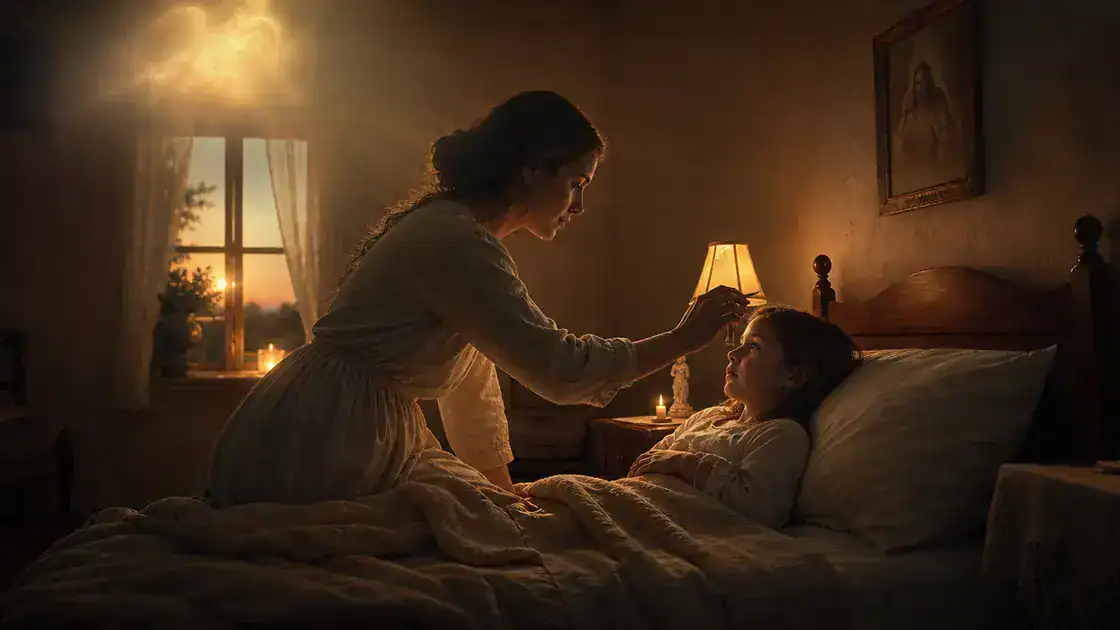
Simple prayers and small blessings help a household notice God’s care without fuss. Scripture gives a gentle frame for these acts: in Psalm 91 we hear of angels who guard, and Jesus tells us that children have angels who stand before the Father. These lines invite short, steady words at home that say, in effect, “We trust that God watches over us.” Try a brief household prayer like “Lord, send your guardian near our home; keep us safe in your care tonight.”
At bedtime, a quick blessing can become a calm habit for children and parents alike. Make one short prayer your night song, such as “Guardian angel, watch and keep my child in gentle sleep; wake them with joy.” At doorways, trace a tiny sign of the cross or say a doorway blessing: “Bless this house and all who enter; let peace live here.” These small acts are not magic but reminders that each room and each night belongs under God’s care.
Turn these practices into kindly lessons for children so faith feels natural, not forced. Teach a simple phrase before meals or a two-line prayer when someone leaves the house. A family blessing for travel might be “May angels guide your steps and bring you safely home.” Over time, these repeated, loving words form a steady rhythm of gratitude and trust that helps a home live with quiet hope and watchful peace.
Recognizing subtle signs of angelic accompaniment in daily life
Sometimes angelic care appears in small, quiet ways: an unexpected calm in a tense moment, a timely word from a neighbor, or a sudden sense of safety when fear loosens its grip. These moments often come like a soft breath, not like a bright sign. Scripture gives a steady frame for this: angels watch in ways we do not always notice, and Jesus’ promise that angels stand before the Father helps us name such gentle care as part of God’s ordinary watching.
Look for simple patterns rather than single dramatic events. A child who wakes comforted after a frightening dream, a string of timely help when plans go wrong, a sudden warmth or a tiny feather found where you least expect it can all be part of that pattern. At the same time, practice wise discernment: test what you sense against prayer, Scripture, and the counsel of a trusted friend or minister so that wonder grows alongside humility.
Make noticing a small family habit. Keep a short journal of quiet moments, say a brief word of thanks when you feel protected, and teach children to describe what they felt without fear or embellishment. These simple responses—thanks, a short prayer, a shared story at the table—help a household live with attention, turning occasional wonder into a steady, humble trust that God’s messengers walk with us even in the plainest parts of the day.
Teaching children about angels with reverence and balance
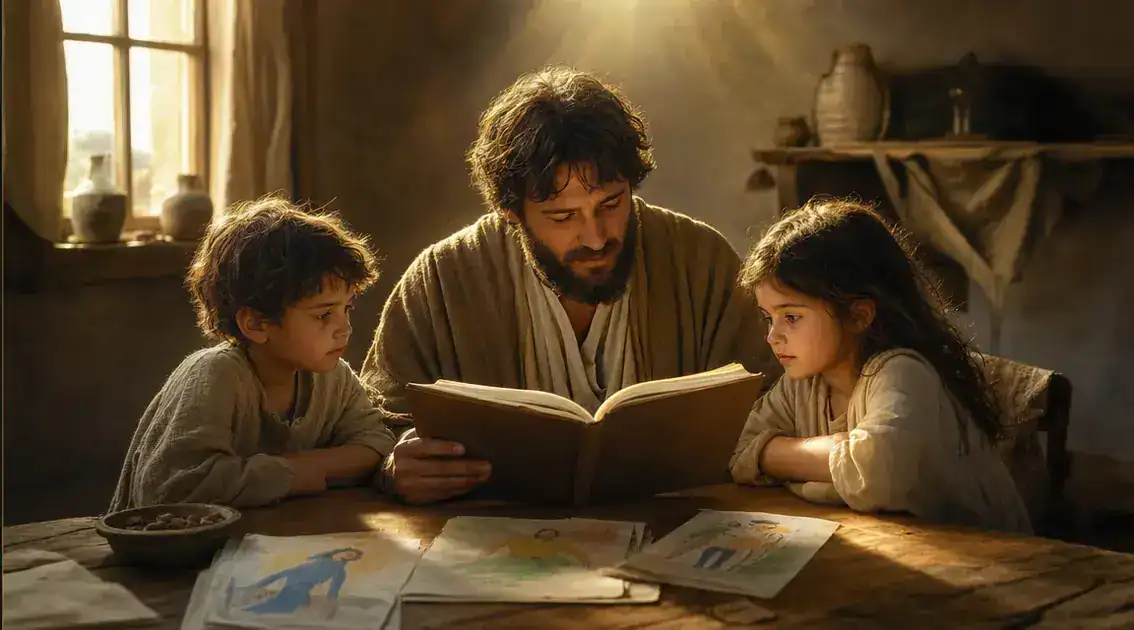
Children meet angels most often in stories, prayers, and small family moments. Parents shape how those meetings feel by the words they choose and the calm they model. Use simple, clear language that invites wonder without alarm, and point children to Scripture passages and gentle images that show care rather than fear. Let the Bible be the reference: remember that Jesus speaks of angels who behold the Father’s face, a picture that grounds our talk in God’s nearness.
Practical habits help the lesson stick. Read a short Bible story at bedtime, teach a two-line blessing to say before sleep, or draw gentle pictures of protection together. Offer crafts and songs that focus on care and service, not on dramatic powers, and tell family memories of quiet help in plain, believable terms. When children ask hard or strange questions, answer simply, invite a short prayer, and keep the tone steady and kind.
Teach discernment as part of faith: encourage children to ask adults, to test feelings with prayer, and to share what they notice without exaggeration. Make gratitude a regular practice by thanking God for small protectors and for people who help us. Over time these simple habits — stories, prayers, calm answers, and thankfulness — form a balanced, reverent view of angels that helps children grow in trust and humility.
A prayer for every household
Lord, guardian of home and heart, be near our doors and our tables. Fill our rooms with quiet peace and help us notice the small ways you care for us each day.
Teach us to live with open eyes and thankful hearts. Let children sleep in calm and let parents walk with gentle courage. When fear comes, remind us of your faithful presence and soothe our worries.
May we keep simple prayers, brief blessings, and acts of kindness as part of our daily rhythm. Let wonder grow in small moments, and let our home be a place of welcome and trust.
We leave this time with hope and a quiet promise to remember the holy in ordinary life. Amen.
FAQ – Common questions about angels and family life
Do guardian angels really exist according to the Bible?
Yes. Scripture speaks of angels sent to guard and serve the faithful (Psalm 91:11; Hebrews 1:14), and Jesus alludes to the protective care given to children (Matthew 18:10). These passages have shaped centuries of faithful belief that God provides ministering companions.
Does every person have a guardian angel?
Many Christian traditions—including Catholic, Orthodox, and a number of Protestant voices—affirm that God entrusts a guardian spirit to individuals or families. Jesus’ words about the angels of children (Matthew 18:10) and long-standing church teaching support this personal, protective care while leaving room for spiritual mystery.
How can a family invite angelic presence in daily life?
Families can make space for God’s care through simple, rooted practices: brief prayers (Psalm 91 and short guardian prayers), home blessings at thresholds, reading Scripture together, and small liturgical acts like lighting a candle or saying a nightly blessing. These habits do not summon magic but shape attention and gratitude, helping a household live with a felt sense of God’s watchful love.
Do angels intervene in ordinary dangers or emergencies?
Yes, Scripture records angelic interventions in urgent moments—deliverance of Peter (Acts 12) and angelic guidance in many biblical narratives—showing that God can and does use angels to protect and guide. At the same time, tradition teaches prudent discernment: we pray for help, seek wisdom, and trust God’s providence rather than expect constant dramatic signs.
Should we pray to or worship angels?
No. Christian teaching is clear that worship belongs to God alone. Angels are honored as God’s servants and messengers, but Scripture warns against angel-focused devotion (see Colossians 2:18 and the example in Revelation where an angel directs worship to God). Address angels only as part of asking God’s care, and center prayer on the Father, Son, and Spirit.
How can I teach children about angels in a healthy, reverent way?
Use simple Bible stories (for example, Matthew 18:10 and Luke’s accounts) and gentle language that focuses on care, not fear. Practice short family prayers, tell true, calm recollections of small protections, and encourage children to bring questions to trusted adults. Teach discernment—test feelings with Scripture and prayer—and make gratitude a regular habit so wonder grows into steady faith.