

third heaven saint paul refers to the place Paul says he was ‘caught up’ in 2 Corinthians 12:2–4, understood in Jewish and early Christian tradition as a privileged realm of divine presence and paradise where he experienced an ineffable, mystical encounter that invites humility, worship, and transformative devotion rather than literal spatial mapping.
third heaven saint paul — what did Paul see when he was caught up to paradise? Join me as we read the verse slowly, listen to ancient tradition, and hold the mystery with quiet reverence.
Paul’s account in 2 Corinthians: reading the text closely
Read 2 Corinthians 12:2–4 slowly and listen. Paul says he was caught up to the third heaven, and he adds a humble pause: whether in the body or out of the body I do not know. The report is brief and plain, not a spectacle, and that very restraint draws you into the weight of what he experienced.
He also tells us he heard inexpressible words that a person is not permitted to repeat. That phrase points to a meeting with God that goes beyond our usual speech and neat categories. Paul’s silence around the details reminds us that some encounters invite awe and worship more than explanation.
Let this close reading shape how you approach the text: read it slowly, hold the mystery with reverent curiosity, and notice how Paul frames the vision amid his own weakness and grace. His account steers us away from self-promotion and toward a humble longing for God’s presence that deepens faith rather than feeds curiosity.
What ‘third heaven’ meant in Jewish and early Christian thought

In Jewish imagination, heaven was often pictured in layers rather than as a single place. The people of the Second Temple period and later rabbis described several heavens above the sky; among these, the third heaven came to be seen as a place very near to God. It carried connotations of paradise, the throne-room light, and a realm where the righteous might dwell in God’s presence.
When Paul speaks of being caught up to the third heaven, early Christians read his words against this familiar backdrop. His brief report and the mention of inexpressible words suggested not a map to be solved but a sacred encounter to be held with reverence. Fathers of the church and many early interpreters treated the vision as testimony to intimate communion with God rather than a travelogue of cosmic geography.
For devotional life, these ancient images help us move from curiosity to worship. The phrase third heaven invites a posture of humble wonder: we do not need full explanations to be changed by the thought of God’s nearness. Simple practices—quiet prayer, careful reading of Scripture, and moments of silence—can open the heart to the same awe that shaped those early hopes of paradise.
Theological readings: rapture, vision, and mystical encounter
Many readers use the word rapture when they try to name Paul’s experience, but that label can narrow what the text actually offers. In 2 Corinthians Paul speaks of being caught up and of hearing things that cannot be put into words. The passage reads more like a vision or a quiet mystical encounter than a technical timetable.
A careful theological reading pays attention to how Paul frames the event. He is humble about the form—“whether in the body or out of the body I do not know”—and he insists that some truths are best held in silence. That humility points us away from spectacle and toward the heart of worship, for the encounter breaks ordinary language and invites reverent awe.
For prayer and practice, treat Paul’s report as an invitation to steady devotion rather than a mystery to solve. Simple disciplines—silent listening, Scripture read slowly, and honest confession—open the heart to sacred presence. In this way the idea of a mystical encounter becomes a guide for deeper faith, calling us to readiness, wonder, and humble service rather than curiosity for its own sake.
Angelic presence and the imagery of the heavenly court
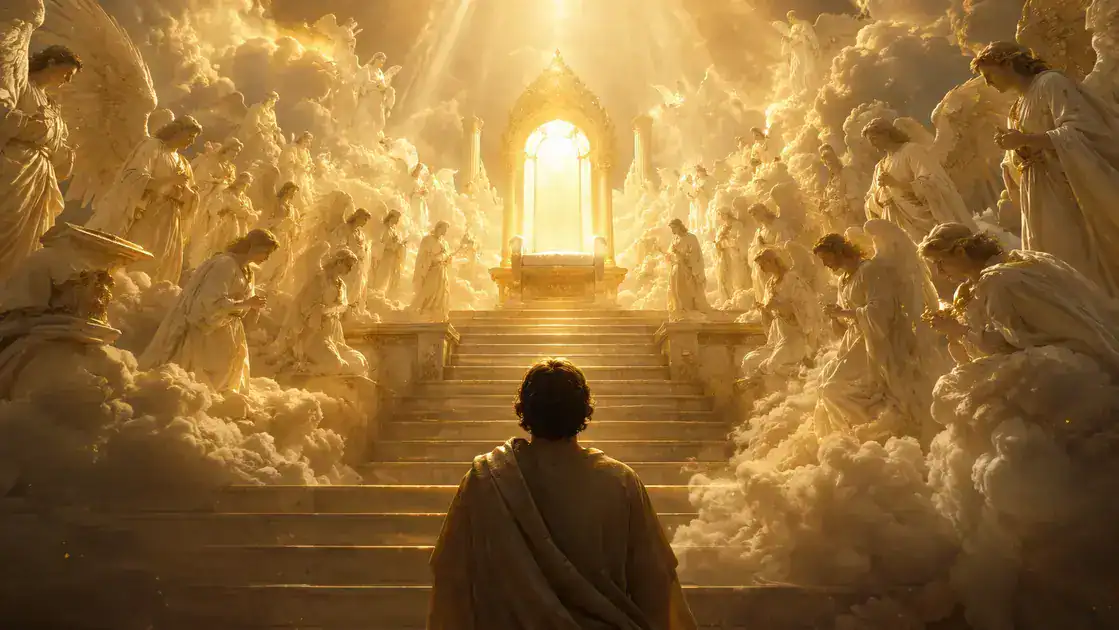
Angelic presence often frames how Scripture imagines the heavenly court. In many passages angels stand near the throne, ready to serve, to sing, and to guard the holiness of that place. Paul’s brief report of the third heaven fits into this picture of a living court rather than a distant, empty realm.
Picture Isaiah’s seraphim and the multitudes in Revelation: they bow, they sing, and they cover their faces before God. These images show the court as a space of worship, justice, and attentive service. When Paul mentions inexpressible words, he points us toward the kind of sacred language that belongs in such a place—song, silence, and awe.
That courtly imagery shapes how we pray and live. Simple acts like communal song, humble service, and quiet reverence echo the life of the throne-room and help us participate in its rhythm. By practicing doxology and attentive listening, our curiosity about visions becomes steady devotion to God and care for others.
Paul’s restraint: why he speaks briefly and with humility
Paul chooses to speak little about his vision because he wants to guard the sacredness of the experience and avoid personal pride. In the letter he even questions whether the event happened in the body or out of the body, and then holds the detail back. That restraint shows a heart more interested in God’s presence than in stories that make the teller look greater.
He also tells us that he heard inexpressible words that are not for public recounting. This limits our appetite for spectacle and redirects us toward reverence. When a sacred moment breaks ordinary language, silence and worship become the fitting responses rather than endless explanation or argument.
For believers, Paul’s humility offers a steady lesson: spiritual encounters should lead to service, gratitude, and humility rather than self-glorification. He pairs the vision with his “thorn in the flesh,” reminding us that grace often comes amid weakness. Quiet devotion, honest prayer, and simple acts of love are ways we live out that same humility in daily life.
Practices that attune the heart to heavenly experience
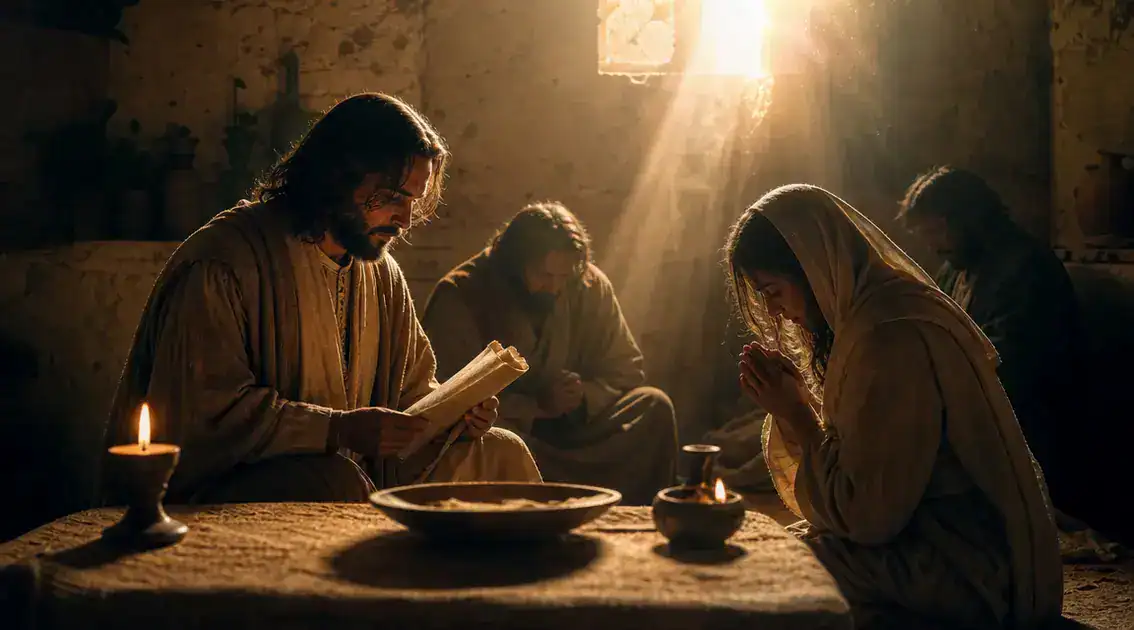
Begin with quiet, attentive prayer and slow reading of Scripture. Try lectio divina or hold a short verse in your mind and let it settle. Read slowly, repeat the line, and notice what feelings or images arise. This simple habit trains the heart to listen and prepares you for deeper encounters.
Make room for silence and stillness in your day. Short times of solitude, brief fasting, or a few minutes of breath prayer help clear the noise that blocks awareness. When you stop rushing, ordinary moments become places where grace can rest. Silence is not empty; it is a space where God often makes his presence felt.
Weave these inward practices into worship and service. Regular communal prayer, the sacraments, and acts of mercy form a steady pattern that echoes the life of the heavenly court. Let doxology, honest confession, and simple service shape your days so longing for heaven becomes humble devotion and care for others.
How church tradition and saints have interpreted Paul’s ascent
From the earliest centuries the church read Paul’s ascent as a witness to mystical union rather than a travel report. Fathers like Origen and writers in the apophatic tradition stressed that the vision points beyond words. Paul’s phrase about inexpressible words fit naturally with those teachers who held that God is often met in silence and wonder.
Medieval and monastic saints deepened that insight by describing an interior ascent of the soul. Voices such as Teresa of Avila and John of the Cross used images of a dark night, a quiet ladder, and hidden trials to explain how union grows slowly. Their testimony moves us from curiosity about sights to patience in prayer and purification of the heart.
These readings shape how the church worships and prays today. Icons, the liturgy, and the writings of saints invite a posture of humility, silence, and service so that vision becomes transformation. In practice, simple acts—adoration, confession, and acts of mercy—help the heart live the tradition that Paul’s brief, holy account points toward.
May this mystery go with you
May the memory of Paul’s ascent rest gently in your heart and stir a soft longing for God. Let it turn curiosity into quiet worship and questions into humble trust.
Practice small rhythms: read a verse slowly, sit in brief silence, offer a simple act of kindness. These habits help the soul notice God’s nearness and echo the life of the heavenly court.
Hold the quiet mystery without demanding every answer. In the hush of prayer the inexpressible can teach us patience, peace, and deeper love.
Go now with a spirit of wonder and service. May grace meet you in ordinary moments and send you out to love others in its light.
FAQ – Questions about Saint Paul’s third heaven and sacred vision
What does the phrase “third heaven” mean in Paul’s letter?
Paul’s phrase points to the ancient idea of layered heavens known in Jewish thought. In 2 Corinthians 12:2–4 he names the third heaven as a place of close nearness to God and paradise. Early readers understood it as pointing to intimate communion with God rather than a precise map of space.
Did Paul physically travel to heaven or have a vision?
Paul himself is careful and uncertain, saying he did not know whether it was “in the body or out of the body.” Scripture leaves the form ambiguous, and the church’s tradition treats it as a true, mystical encounter that may transcend our usual categories of body and vision.
What are the “inexpressible words” Paul mentions?
Those words name an experience beyond ordinary speech. The apophatic tradition in Scripture and the Fathers holds that some encounters with God are not fit for public retelling. Paul’s silence invites worship and reverence rather than curiosity for details.
How did the saints and church fathers interpret Paul’s ascent?
Many Fathers, like Origen, read it as testimony to mystical union, while later mystics such as Teresa of Avila and John of the Cross spoke of an interior ascent of the soul. Their writings turn the event into guidance for prayer, purification, and patient union with God.
Can ordinary believers hope for similar experiences?
Scripture shows many kinds of encounter, both dramatic and quiet. Most believers meet God in prayer, the sacraments, and acts of love. Saints urge simple practices—lectio divina, silence, communal worship—as ways the heart may be opened to God’s presence.
How should Paul’s vision change the way I live day to day?
Let it form you toward humility, worship, and service. Paul pairs the vision with weakness and a “thorn in the flesh,” teaching that grace often comes amid struggle. Pray simply, serve faithfully, and let wonder lead you to loving others more deeply.