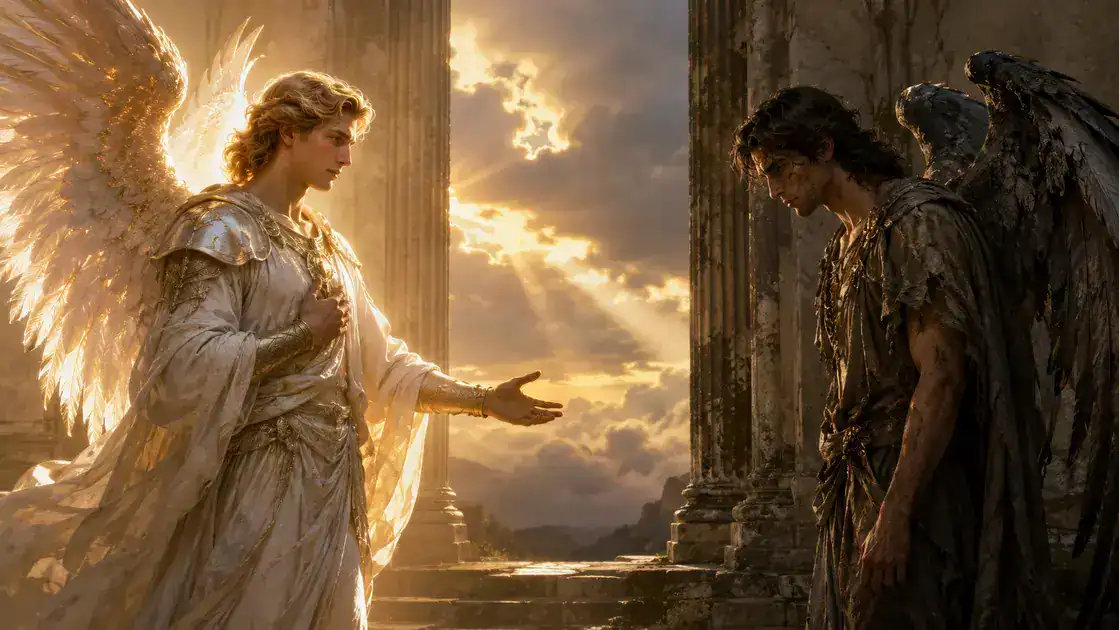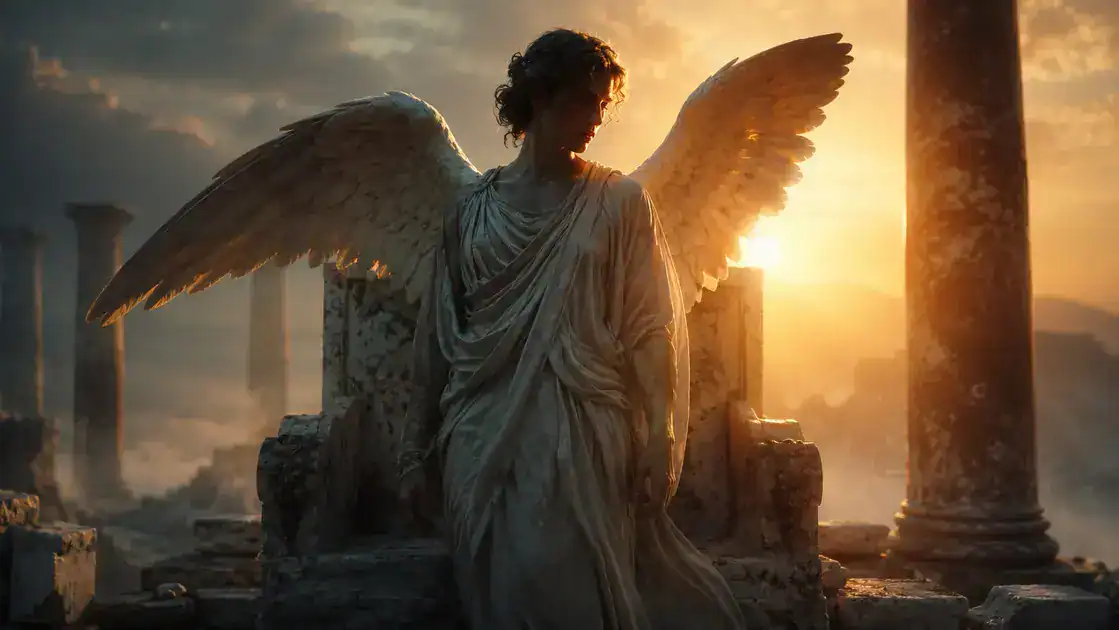

Lucifer in the Bible — the Latin rendering of the Hebrew Helel ben Shachar in Isaiah 14:12 meaning “light‑bearer” or “morning star” — appears in a taunt against the king of Babylon, and Christian tradition later read it as an emblem of pride and fall, prompting pastoral calls to humility and repentance.
lucifer name meaning bible: have you ever noticed how a single name in Scripture can hold a whole story of light, fall, and longing? Let’s listen to that story slowly.
Where the name Lucifer appears in Scripture
The single place where the name Lucifer appears in many English Bibles is Isaiah 14:12. The Hebrew poet uses the word Helel ben Shachar, usually rendered as “morning star” or “shining one,” and the Latin translators rendered that as lucifer, meaning light-bearer. The verse is part of a taunt-song aimed at the king of Babylon, using vivid celestial imagery to picture a proud ruler brought low.
As readers traced that image through the life of the church, it became linked to broader biblical themes of pride and fall. Interpreters pointed to passages such as Ezekiel 28 and the image of a fall in Luke 10:18 to weave a theological portrait of a rebel who fell from heaven. Yet each passage speaks in its own mode—poetry, prophetic lament, or Gospel imagery—so the link grows out of spiritual reading rather than a single explicit naming across texts.
Seeing where the name appears invites a careful, prayerful response. The scene in Isaiah teaches how beauty and brightness can be turned inward toward pride, and how God humbles proud power. That lesson gently calls us to humility, to watch our hearts, and to trust the One who turns even a fallen star into a reminder of grace.
Hebrew and Latin roots behind the term Lucifer

The Hebrew phrase Helel ben Shachar in Isaiah 14:12 paints a bright, natural image: a “morning star” rising at dawn. The words name a shining body in the sky and call it a sign of beauty and brightness, using language any listener could picture at first light.
When the Hebrew text moved into other tongues, translators kept that image but used different words. The Greek Septuagint used a dawn-bringing term, and Jerome’s Latin Vulgate chose lucifer, literally a “light-bearer” or morning star. Each word carries the same simple sight but brings its own tone and cultural weight.
Over time those translation choices shaped how readers heard the passage and felt its warning about pride and fall. The poetic image of a bright star brought low became a tool for devotional reflection, calling believers to humility and to watch the heart where light can turn inward. This small chain of words—Hebrew to Greek to Latin—shows how language moves a sacred image into the life of the church.
Isaiah 14: poetic imagery of the morning star
Isaiah 14:12 speaks with a single, bright image: Helel ben Shachar, the morning star rising at first light. The phrase calls to mind the sudden gleam of a star before dawn, a sight both lovely and fleeting that would hold deep meaning for ancient listeners.
The verse appears inside a taunt-song aimed at a proud ruler, and the poet uses the star to show how great beauty and power can be overturned. The language is poetic, full of image rather than legal proof, and it invites the reader to feel the fall as much as to think about it. That literary choice makes the warning easier to hold in the heart: it shapes imagination, not only argument.
Reading the passage devotionally, the morning star becomes a mirror for our own lives. The poem gently asks whether the brightness we bear lifts us toward God or toward ourselves. Let the image guide a simple prayer for humility, watching how light can serve truth rather than proclaim our own worth.
Ezekiel, royal pride, and symbolic language

Ezekiel 28 addresses the king of Tyre with striking, gardenlike images. The prophet speaks of a once-glorious figure placed in Eden, decked with precious stones, and even calls him an anointed cherub set at the holy mountain. The language is symbolic and dense, meant to show how beauty and privilege can become the soil of pride.
Readers across the ages noticed echoes between this poem and other biblical passages about the fall of the proud. Some church writers read these lines as pointing beyond a single human ruler to a cosmic rebellion, and so the passage has often been linked with the idea of a fallen angel or Satan. Still, the original address is to a real king, and the prophet uses symbolic language to expose how earthly power mirrors spiritual danger.
That mixture of human judgment and spiritual warning can teach us today. The picture of one lifted up and then cast down becomes a quiet call to humility and honest self-examination, asking whether our gifts serve others or feed our ego. Let the text lead you to a simple prayer for repentance and a renewed trust in the One who holds every throne and turns pride into a lesson in mercy.
Patristic and medieval readings: from allegory to personal evil
In the early church, many fathers read Isaiah and similar texts through a moral and spiritual lens, treating the figure often called Lucifer as a teaching image rather than a tight piece of dogma. Writers like Origen and Ambrose moved between literal and allegorical senses, using the story to warn against pride and to call Christians back to faithfulness. Their aim was pastoral: to turn a dramatic image into a mirror for the soul, showing how a bright gift can become a stumbling block when it seeks its own glory.
By the medieval centuries, the tone shifted toward a more personal sense of evil that fit both theology and popular devotion. Theologians and poets — from scholastic voices to Dante’s imaginative page — pictured a fallen being with will and agency, often named as Satan or Lucifer, who embodies rebellion against God. This richer personification helped preachers and confessors address the lived experience of temptation, making the abstract danger of pride feel immediate and urgent in the life of the believer.
These streams together shaped Christian practice: the Fathers’ allegory taught inner vigilance, while medieval portrayals urged concrete repentance. Read devotionally, the legacy invites a gentle discipline of humility and regular confession, turning attention away from self and toward Christ as the true source of light. In that way, old images remain useful—they provoke honest prayer and a renewed desire to serve rather than to be served.
Pastoral questions: what this figure teaches believers today
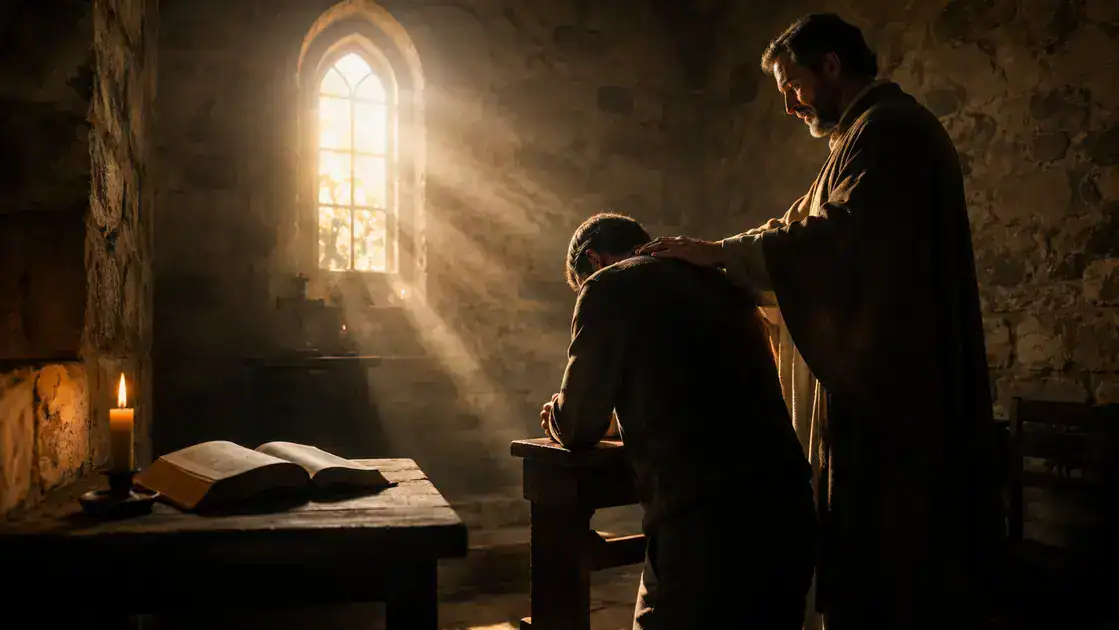
When readers ask what the figure often called Lucifer teaches believers today, the question becomes pastoral and practical. The image warns that gifts, praise, or power can harden a heart when they become ends in themselves. That warning invites us to notice pride early, learn to name it, and bring it into prayer before it grows.
From that watchfulness come simple spiritual practices that help a soul stay humble. Regular prayer, honest confession, and serving others shape a life where light given to us blesses others rather than feeds our ego. These habits are small, steady ways to grow humility and resist temptations that begin as flattering thoughts.
Pastoral care also asks us to respond with mercy when people fall. Scripture’s images urge restoration, not shaming, and call the community to guide one another back to health. Above all, the story points us to Christ as the true light who heals pride and fills the heart with humble joy, inviting a quiet prayer for grace, courage, and a steady turn toward God.
A Prayer of Light and Humility
May the image of the morning star remind us to keep our hearts soft and alert. Let the lesson of pride and fall nudge us toward honest change, not fear.
May the light given to us be used to serve others and point us back to Christ. When praise or honor comes, may it teach us to give thanks and to turn outward in kindness.
Give us grace to name our faults, to ask for help, and to offer forgiveness. Let our community be a place of gentle correction and steady mercy.
Walk with us now and each day, that the story we have read might shape the life we live — small faithful steps, held in wonder and peace.
FAQ – Common questions about Lucifer, the name, and Scripture
Is the name “Lucifer” actually in the Bible?
The Latin word lucifer appears in Isaiah 14:12 in the Vulgate, translating the Hebrew phrase Helel ben Shachar (morning star). Other biblical passages with fall imagery, like Ezekiel 28 and Revelation 12, have been read alongside Isaiah, but the original Hebrew scene addresses a proud ruler using poetic language.
Does “Lucifer” mean the same as Satan in Scripture?
Many Christian traditions link the Isaiah and Ezekiel images to Satan, but the Bible does not present a single verse that plainly names Satan “Lucifer.” The connection grew from theological reading of poetic texts and New Testament images of a fall (see Luke 10:18; Revelation 12:7–9).
Why did Jerome translate the phrase as “lucifer” in the Vulgate?
Jerome used the Latin word lucifer, meaning “light-bearer” or “morning star,” to convey the brightness of the Hebrew image. That faithful lexical choice later carried extra theological weight as readers reflected on pride and fall in devotional and pastoral contexts.
How did the church fathers and medieval writers shape our understanding?
Early writers like Origen and Ambrose often read Isaiah and Ezekiel allegorically to warn against pride. Medieval theologians, poets, and preachers then developed a more personal picture of a rebellious being, which helped communities address temptation and sin in pastoral life.
What spiritual lessons should believers draw from these passages?
The texts chiefly teach vigilance against pride, a call to humility, and the need for repentance. Practices such as regular prayer, honest confession, and humble service are grounded in Scripture and help keep the heart open to God’s grace.
How should a community respond when someone falls into pride or moral failure?
Scripture and tradition invite a response of gentle restoration rather than harsh shaming. Pastoral care that combines mercy, clear correction, prayer, and opportunities for reconciliation reflects the church’s call to heal and reclaim those who have strayed.